
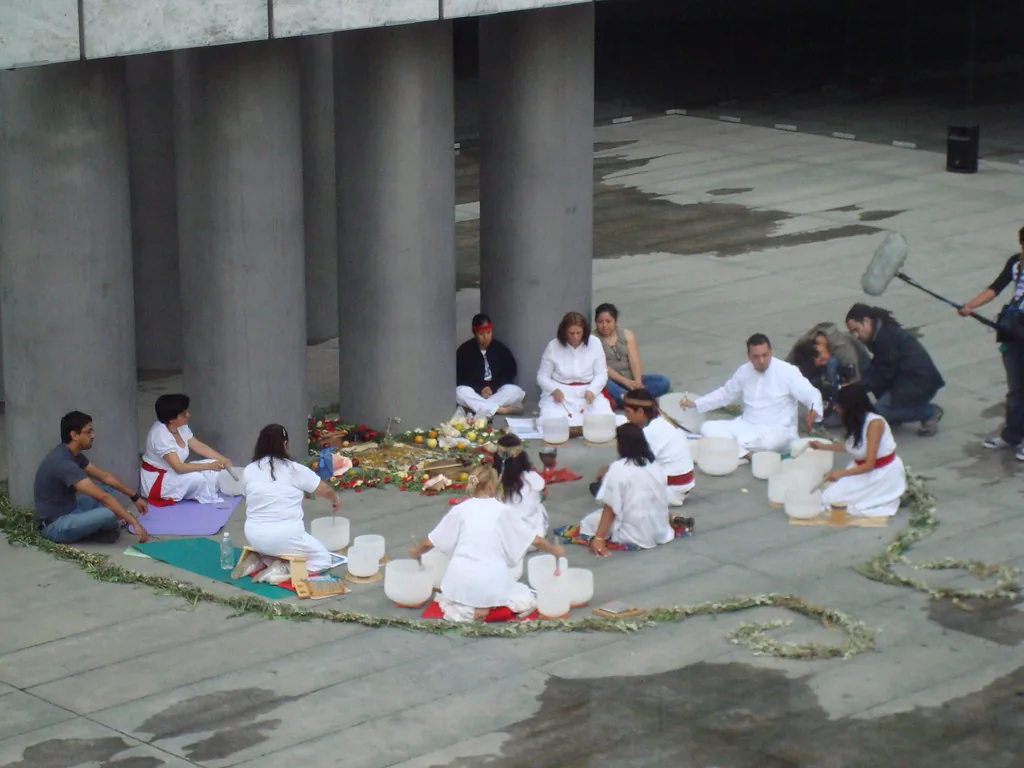
With more than 10 years of experience, I can help you choose a singing bowl for daily practice and meditation. Each instrument has a unique vibrational signature that influences breathing, relaxation, and the body’s energy.
Pay attention to size, note, and alloy. Often hand-hammered, these bowls are sometimes crafted by artisans from seven metals to create a rich, stable resonance.
Metal or quartz bowls may be used to reduce stress and promote sleep. The cushion and mallet also affect the sound’s duration and purity.
To learn more, read this comprehensive practical guide to types of singing bowls. It will help you better understand their origins and frequencies, and how to test them before buying.
Tibetan singing bowls: how to choose the right one for your needs
Choosing a bowl depends as much on your ear as on your intention.
Singing bowls come in many varieties, from industrially cast pieces to models hand-hammered by master artisans. Handmade versions often offer greater harmonic richness.
Santa Ratna Shakya is renowned for his Full Moon bowls, exceptional instruments that reach the highest standards of sound quality and tonal precision.
To choose the right Tibetan singing bowl, test its resonance: let the sound linger and listen to the overtones. The bowl should resonate with your intention, whether you want to meditate or relax.
- Hand-hammered: richer in overtones.
- Cast: stable and often more affordable.
- Full Moon: premium quality from renowned artisans.
To learn more and compare models, read this detailed buying guide: choosing a Tibetan singing bowl.
Understanding the differences between manufacturing materials
Every alloy or crystal has its own sonic character. Before examining the details, remember that a bowl’s material affects how it is used. This section compares two major categories: metal alloys and quartz crystal.
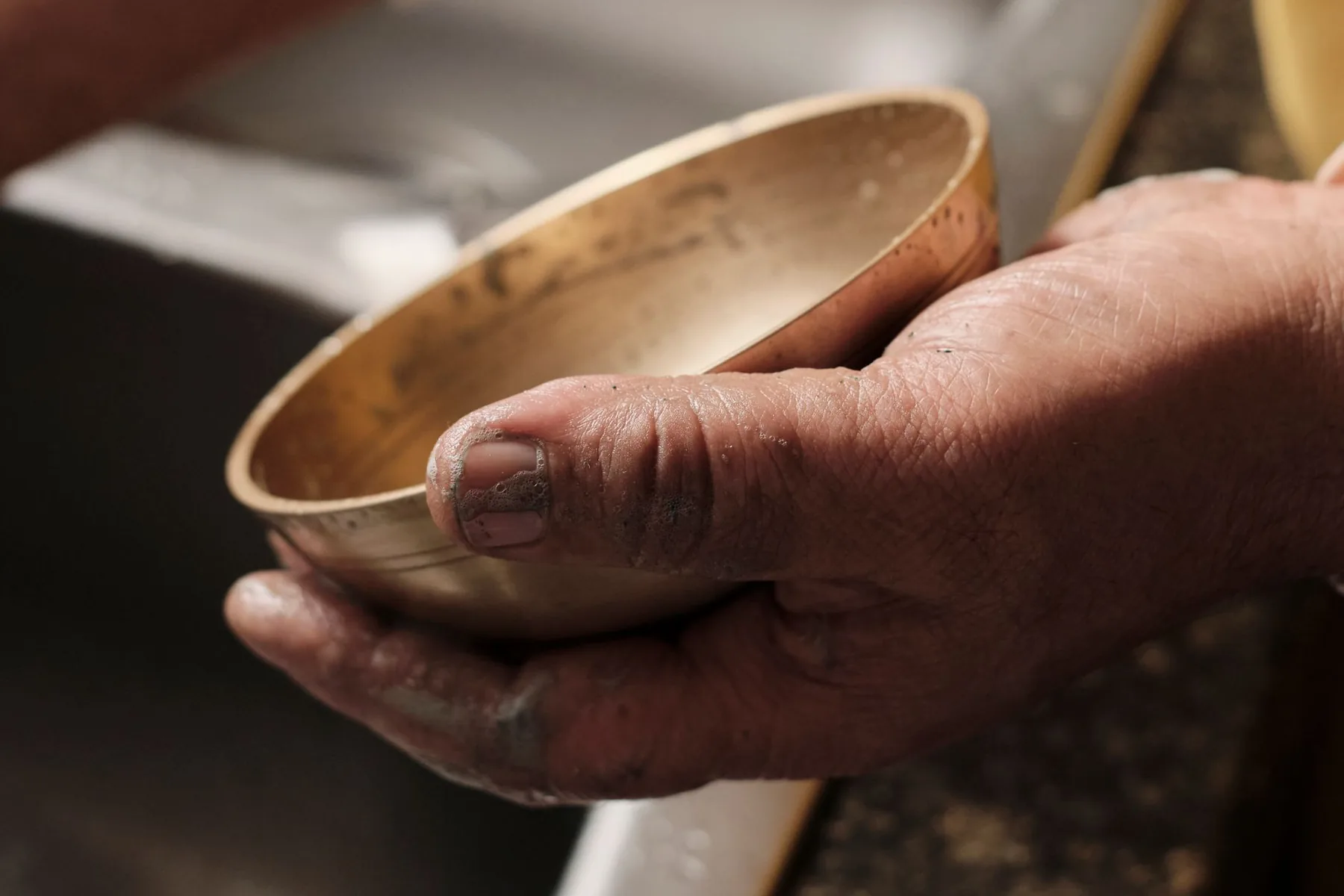
Metal-alloy bowls
Origin and composition: traditional manufacturing often uses a seven-metal alloy (gold, copper, silver, mercury, lead, tin, and iron).
These pieces are frequently hand-hammered by artisans. Names such as Kalyan Tamrakar and Sajan Tapalyia embody this expertise.
Sound and use: metal produces a warm sound with complex overtones. Every traditional Tibetan singing bowl can offer a broad tonal range and excellent durability.
Quartz crystal bowls
History: first appearing in the 1980s, these bowls are made by industrially fusing quartz.
Sound and use: quartz produces a very pure note and stable frequency. It is often preferred for targeted energy work.
| Criterion | Metal alloy | Quartz |
|---|---|---|
| Origin | Himalayan rituals, handcraftsmanship | Modern technology, industrial fusion (1980s) |
| Sound | Warm and rich in overtones | Pure, stable, precise note |
| Manufacturing | Hand-hammered or cast | Cast from fused quartz |
| Recommended use | Meditation, rituals, general practices | Targeted energy work, sound therapy |
Tip: if you are unsure, test the resonance and choose the material that best resonates with your intention.
To compare metal and crystal models and refine your choice, read this practical guide: metal or crystal singing bowls.
How size and weight affect vibration
A bowl’s size profoundly changes the character and reach of its vibrations.
A large bowl produces deep, expansive sounds. These notes promote relaxation and create an atmosphere conducive to meditation. Diameter and mass often increase exponentially: a large model frequently weighs more than one kilogram.
Small bowls produce higher frequencies. They invigorate the body and help release stress.
Weight affects handling. A heavy bowl is harder to hold for long periods and requires adequate physical strength.
- Large size: depth and the diffusion of soothing energy.
- Small diameter: liveliness, stimulation, and tension release.
- Weight > 1 kg: pay attention to posture and comfort during the session.
Practical tip: choose a bowl that combines your desired note with a comfortable grip, allowing its vibrations to fully support your practice.
Selecting the ideal note and sound frequency
A bowl’s note directly determines the type of effect it has on the body and mind. In practice, each note corresponds to one of the seven major chakras and enables targeted work.
Chakra correspondence: choose a note to harmonize a specific chakra. For example, low frequencies promote grounding in the root chakra, while high notes stimulate the crown chakra.
Healing frequencies: the contemporary standard is 440 Hz, but many practitioners favor 432 Hz or 528 Hz for their perceived effects on energy and healing.
Hand-hammered alloy bowls offer rich overtones. Quartz bowls produce a very stable, pure frequency.
- The note produced by each Tibetan singing bowl can help harmonize the chakras.
- Choosing a specific note encourages deeper, more focused meditation.
- The accuracy and quality of the vibration determine the energy it produces.
Practical tip: test the note and consult a guide to frequencies and hertz to find the frequency that resonates best with the targeted chakra.
Matching the bowl to your spiritual or therapeutic practice
A bowl can transform a yoga or meditation session through its precise resonance. For relaxation and cleansing a space, choose an instrument that is both stable and rich in overtones.
A Tibetan singing bowl is used to release blocked energy in the body. Deep vibrations make it easier to let go and support lasting well-being.
For therapeutic use, choose singing bowls whose resonance supports the session. A warm tone helps soothe, while a pure note targets energy work.
Include a bowl in your daily routine to maintain balance amid the stresses of modern life. These instruments can also accompany crystal-cleansing rituals and group sessions.
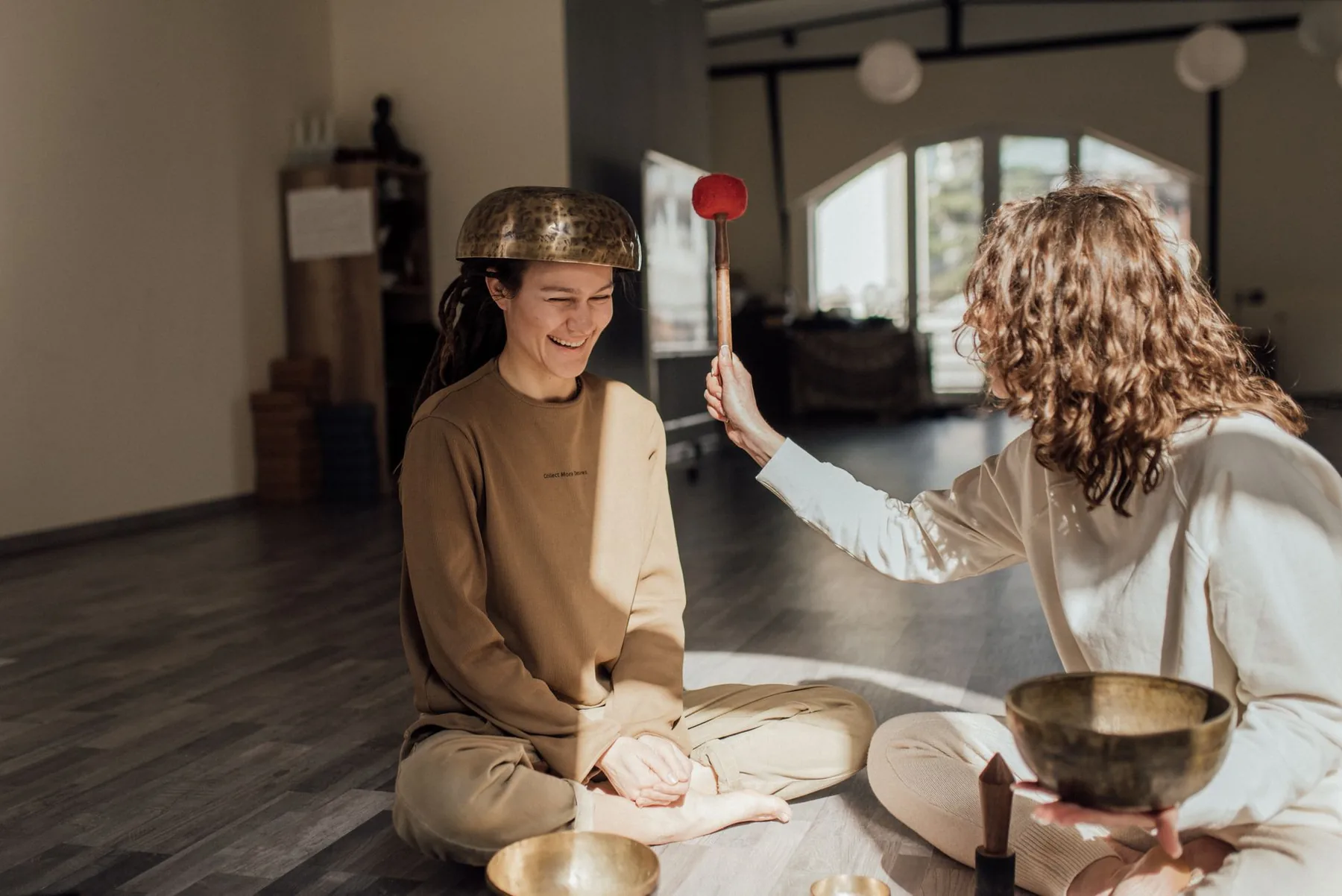
Tip: test several models before investing. A good bowl resonates with your intention and helps calm both body and mind.
The importance of appearance and engraved symbols
A bowl’s engravings and design carry symbolic meaning that guides the practice.
Buddhist symbols, such as the mantra Om Mani Padme Hum, add a spiritual dimension to the instrument.
Artisans often decorate singing bowls with motifs such as the Flower of Life or the lotus. These symbols facilitate meditation and provide a visual focal point.
Hand engravings carry energy associated with the chakras. An aesthetically pleasing bowl fosters a calming relationship with the instrument. This encourages regular practice that benefits the body.
Meaning of common motifs
- Om Mani Padme Hum: compassion and an open heart.
- Lotus: purity and awakening.
- Flower of Life: harmony and energetic connections.
| Symbol | Meaning | Use in practice |
|---|---|---|
| Om Mani Padme Hum | Compassion, protection | Heart-centered meditation, visualization |
| Lotus | Mindfulness, awakening | Visual focal point during the session |
| Flower of Life | Harmony, sacred geometry | Support for energy work |
Tip: choose a Tibetan singing bowl whose appearance speaks to you. Its sacred character strengthens your intention and turns the object into a genuine meditation aid.
To explore the comparison between materials and their symbolism in greater depth, read this practical guide: metal or crystal singing bowls.
Setting a budget for a quality instrument
A bowl’s price often reflects the quality of the metal, the handcraftsmanship, and the note it produces.
Metal models are available from €50. Quartz crystal bowl prices start at around €100.
For a durable instrument, consider the cost of the alloys and hand-hammering. Premium pieces, such as Full Moon bowls, are an investment. They offer a superior vibrational response, useful for meditation and bodywork.
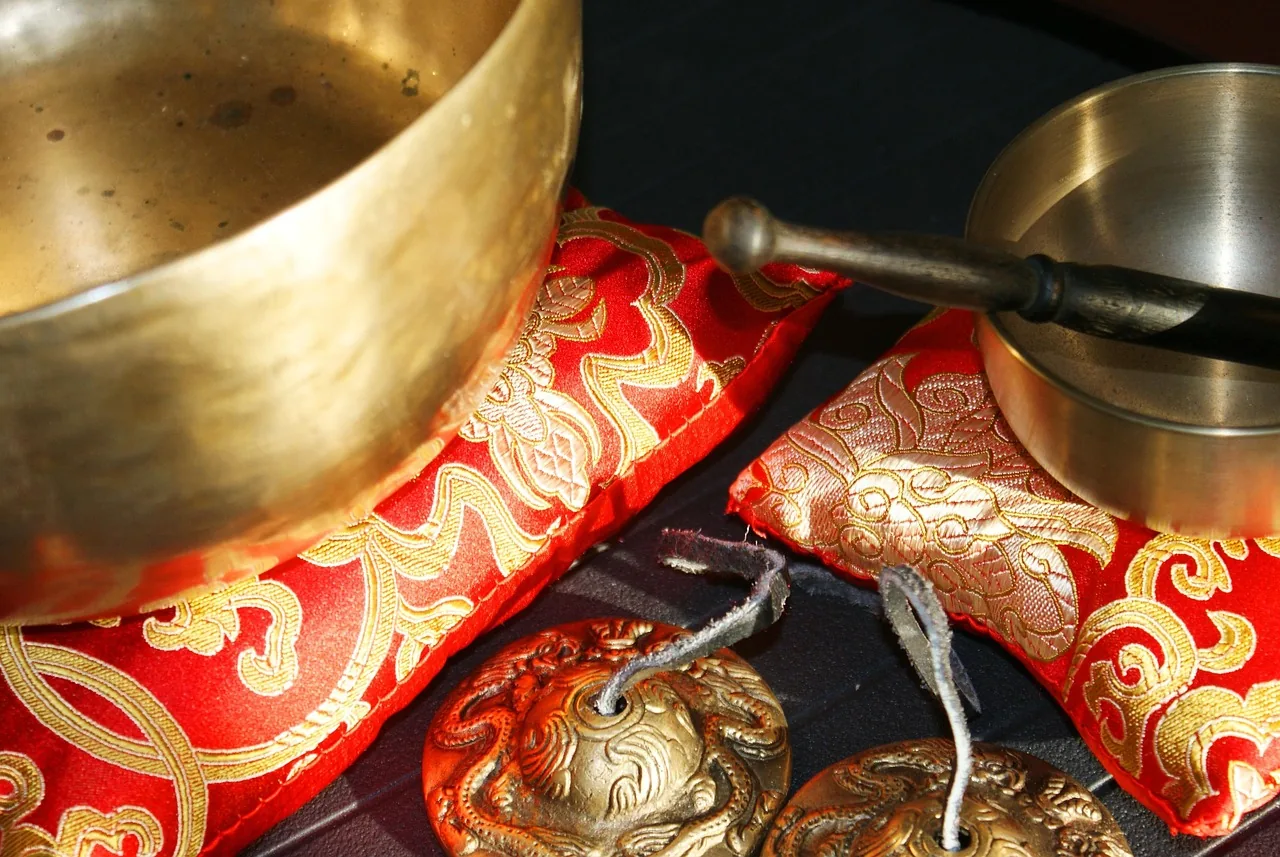
- Affordable: simple metal, smaller size, good value for money.
- Mid-range: complex alloy, better finish, richer resonance.
- Premium: artisan models, rarity, and precise tone.
Tip: compare offers and manufacturing methods, then test the note before investing. For a detailed overview, consult this guide to everything you need to know about singing bowls.
Tips for giving a singing bowl as a gift
Giving a singing bowl means offering a tool that encourages calm and presence.
Gift idea: a medium-sized metal Tibetan singing bowl (12–17 cm) is a versatile choice. It is suitable for meditation and sound relaxation. An instrument of this size adapts to most intentions and spaces.
Always include a suitable mallet with the bowl. The recipient can then use it immediately and experience its vibrational effect without delay.
- Simplicity: choose a simple, effective bowl to avoid an overly specific note.
- Durability: metal provides stable resonance and is suitable for daily use.
- Meaning: this gift expresses a wish for well-being and balance.
| Criterion | Recommendation | Benefit |
|---|---|---|
| Size | 12–17 cm | Versatile, easy to handle |
| Accessory | Suitable mallet | Immediate use |
| Style | Simple, without a targeted note | A safe choice that is sure to please |
Tip: choose a bowl that is pleasing to the eye and invites practice—it is often the best gift.
Key takeaways for a successful purchase
Try several instruments in real-world conditions: test the note, size, and resonance to feel whether the frequency speaks to your body.
Explore Instruments du Monde’s 200 products to find a suitable singing bowl. Consider the chakras and the quality of the metals. Some hand-hammered models offer a high-quality sonic response.
For meditation, relaxation, or cleansing, choose a Tibetan singing bowl whose vibrations harmonize your energy. Also check the cushion and accessories so you can use it immediately.
Ultimately, the best choice is the one that moves you in the moment: let the note, symbolism, and sensation guide your decision.