

Nestled on the shores of Lake Garda, an iconic site draws the attention of history and music enthusiasts. This villa, located on Via Catullo in Sirmione, is a symbol of tranquility and grandeur. Although privately owned and closed to the public, it remains an essential historic landmark.
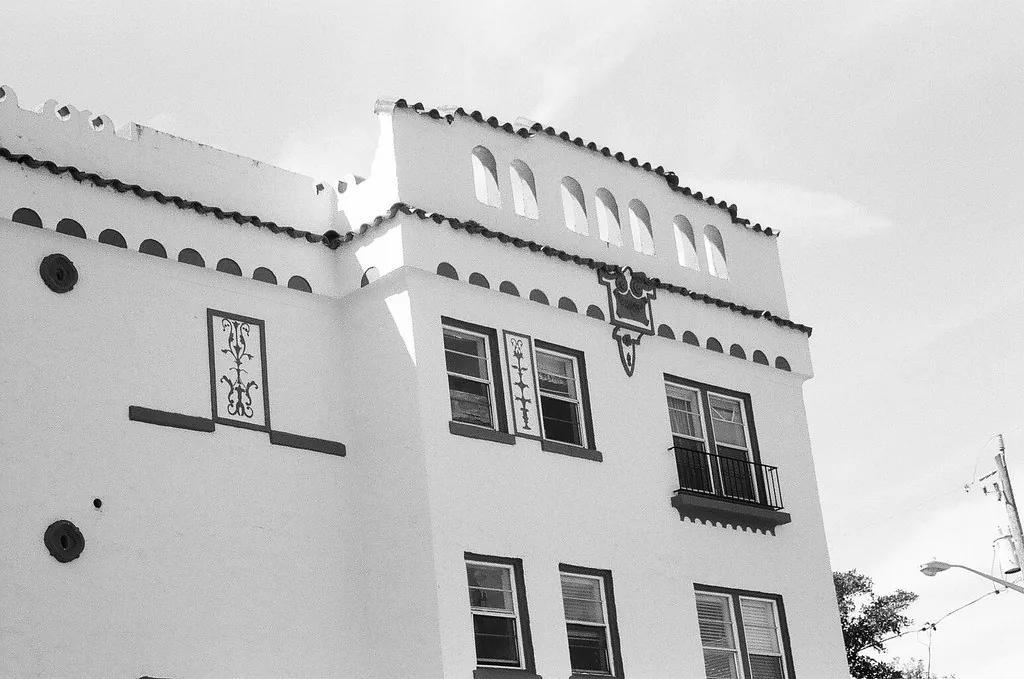
This residence, with its three stories and distinctive yellow facade, served as an artistic and personal retreat for the famous opera diva. It embodies both her cultural legacy and her love of inspiring places. The lake-shaped swimming pool adds a unique touch to this legendary setting.
Today, although access is restricted, the villa continues to capture the imagination. It evokes the elegance and passion of a bygone era while remaining a living testament to the history of opera.
Introduction to Maria Callas and Her Legacy
Maria Callas, born in New York in 1923, left her mark on opera history with her unique voice. Her journey between Greece and Italy reflects her passion and determination. Nicknamed “La Divina,” she revolutionized modern opera.
The Life and Career of Maria Callas
Born into a Greek American family, she had a childhood marked by hardship. Her mother, who was passionate about music, played a key role in her artistic education. After modest beginnings, she achieved her breakthrough in Verona, where she met Giovanni Battista Meneghini.
Her time in Italy marked a turning point in her career. There, she developed her unique style, combining emotional power with vocal technique. Her performances captivated audiences worldwide, making her an opera legend.
The Importance of Sirmione in Her Life
Sirmione, on the shores of Lake Garda, became her “little paradise.” This peaceful place offered her a retreat far from the international stage. She found inspiration and serenity there, deepening her attachment to the region.
| Year | Event |
|---|---|
| 1923 | Born in New York |
| 1947 | Breakthrough in Verona |
| 1950 | Settled in Italy |
| 1959 | Discovered Sirmione |
Her legacy continues to inspire opera lovers. Maria Callas remains an iconic figure whose voice and passion still resonate today.
Maria Callas’s Arrival in Sirmione
In the heart of the 1950s, a peaceful place caught the attention of an opera diva. Sirmione, with its natural charm and breathtaking view of Lake Garda, became an ideal retreat from media pressure.
Discovering Sirmione
The Sirmione peninsula, known for its tranquility and beauty, quickly captivated the artist. Surrounded by crystal-clear waters, it provided an environment conducive to inspiration and creativity. She found a rare serenity there, far from the turmoil of the international stage.
Giovanni Battista Meneghini’s Purchase of the Villa
In the early 1950s, Giovanni Battista Meneghini, a Veronese industrialist nicknamed the “brick king,” acquired a villa in Sirmione. This strategic choice was intended to provide the artist with a peaceful haven while protecting her from prying eyes.
The villa, situated on the shores of Lake Garda, met precise criteria: tranquility, artistic inspiration, and privacy. As her manager and protector, Meneghini played a key role in the purchase.
| Element | Details |
|---|---|
| Year purchased | Early 1950s |
| Owner | Giovanni Battista Meneghini |
| Selection criteria | Tranquility, artistic inspiration, privacy |
This natural setting had a profound impact on the artist’s creativity. Sirmione thus became an iconic place associated with her artistic and personal legacy.
Villa Callas: A Peaceful Haven
Overlooking the waters of Lake Garda, this residence is a symbol of peace and creativity. With its three-story architecture, the villa offers a breathtaking view of its surroundings. It embodies the charm and elegance of a bygone era.
Description of the Villa
The villa stands out for its unique architectural style. Each floor was designed to provide comfort and inspiration. The carefully decorated interior reflects the singer’s aesthetic choices. Its spacious, light-filled rooms invite relaxation and reflection.
The Garden and Lake Garda-Shaped Swimming Pool
The garden, preserved in its original state, is a true haven of peace. It provides an ideal setting for creative rituals. The swimming pool, shaped like Lake Garda, adds a symbolic touch to this outdoor space. It recalls the artist’s deep attachment to the place.
| Element | Details |
|---|---|
| Architecture | 3 stories, unique style |
| Interior | Personalized decor |
| Garden | Preserved, inspiring space |
| Swimming pool | Symbolic shape of Lake Garda |
Although privately owned, this estate remains a living testament to the artistic and personal legacy of its illustrious former owner. It continues to capture the imagination of art and history enthusiasts.
Maria Callas’s Daily Life in Sirmione
In the peaceful streets of Sirmione, an opera legend found a balance between public life and privacy. Surrounded by the waters of Lake Garda, this enchanting place provided an ideal setting for her days of rest and creativity.
Walks Through Sirmione
The singer loved strolling through the narrow streets of the historic center. Her favorite routes often took her toward the thermal baths, where she found a balance between well-being and inspiration. These walks allowed her to reconnect with nature and with herself.
Moments of Relaxation and Inspiration
Lake Garda played a central role in her daily life. Its soothing waters influenced her vocal performances, providing an inexhaustible source of inspiration. She also spent time at Caffè Grande Italia, where she shared simple moments with her friends and local residents.
These interactions with the local community deepened her attachment to this place. She found a rare serenity there, far from the spotlight of the international stage. It was where she could fully recharge and prepare for future performances.
Maria Callas and Giovanni Battista Meneghini
In 1949, an artistic and personal union began between two prominent figures. Giovanni Battista Meneghini, a Veronese industrialist, and the opera diva joined their lives in a marriage that would leave its mark on operatic history.
Their Relationship and Marriage
Their relationship, both marital and professional, was built on close collaboration. Battista Meneghini played a key role in managing his wife’s career, negotiating prestigious contracts abroad. This partnership allowed the artist to focus fully on her art.
Despite tensions caused by media pressure, their marriage was a pillar of stability. As her manager and protector, Meneghini invested heavily in promoting his wife’s artistry, helping make her one of opera’s greatest figures.
Meneghini’s Role in Callas’s Career
Giovanni Battista Meneghini was far more than a husband. He organized international tours, provided financial and logistical support, and negotiated major roles. His influence was instrumental in the singer’s rise.
Their separation, however, had a significant impact on Callas’s career. Without Meneghini’s support, she had to face new challenges. This period marked a turning point in both her professional and personal life.
The End of the Marriage and Callas’s Departure
The late 1950s marked a decisive turning point in the diva’s life. An encounter would transform both her personal and professional world.
Meeting Aristotle Onassis
In 1959, the singer crossed paths with Aristotle Onassis, a Greek magnate. This encounter would not only change her romantic life but also influence her career. Although controversial, their affair quickly became the subject of widespread discussion.
This relationship marked the end of her marriage to Giovanni Battista Meneghini. The emotional consequences were profound, affecting her personal equilibrium and her attachment to places such as Sirmione.
The Sale of the Villa
The diva’s departure from Sirmione was accompanied by the sale of her villa. Often described as contentious, the transaction symbolized a turning point in her life. The property, once a peaceful haven, was converted into apartments, marking the end of an era.
Sirmione’s residents reacted to her departure with sadness. To them, she was far more than an artist: she was an integral part of their community. The sale of the villa remains a key moment in the history of this iconic place.
Maria Callas’s Legacy in Sirmione
Sirmione, a place steeped in memory, preserves the legacy of an opera icon. Her time in the town left an indelible mark, visible in the monuments and spaces dedicated to her art.
The Commemorative Plaque
A plaque on the villa’s facade commemorates her time there. It bears a moving inscription paying tribute to Maria Callas for her contribution to music. Prominently located, it draws the attention of visitors from around the world.
The Park and Cultural Center Dedicated to Callas
The carefully landscaped Maria Callas Park offers a place for reflection and relaxation. Its shaded paths and benches invite visitors to remember her genius. The cultural center, meanwhile, organizes themed exhibitions and annual events highlighting her legacy.
These memorial sites attract opera lovers and tourists, enhancing Sirmione’s cultural appeal. Maria Callas remains a source of inspiration, and her connection to the town continues to fascinate.
The Maria Callas Festival
Every summer, a major cultural event lights up the shores of Lake Garda. Dedicated to opera, the Maria Callas Festival has become an essential event for opera lovers. This summer festival brings together international artists and music enthusiasts, creating a unique atmosphere.

Organization and Participants
The festival is organized in close collaboration with European conservatories. Artists are selected for their talent and their ability to perform iconic works from the opera repertoire. Educational workshops are also offered to young singers, providing them with a unique opportunity to learn.
- Rigorous selection process for artists.
- Collaboration with renowned musical institutions.
- Masterclasses led by music-industry professionals.
Impact on the Local Community
The festival has a significant impact on Sirmione’s economic and cultural life. Local business owners report increased sales during this period. These economic benefits are accompanied by greater tourist interest in the region.
Moreover, the event helps introduce classical music to a broader audience. Sirmione’s residents are proud to see their town associated with a festival of this stature, one that carries on the diva’s artistic legacy.
Anecdotes About Maria Callas in Sirmione
The streets of Sirmione abound with fascinating stories about an opera legend. Residents carefully preserve memories of the singer that reveal intimate and unexpected moments. These anecdotes offer a unique glimpse into her daily life in this picturesque town.
Stories Told by Local Residents
Former neighbors remember her nighttime walks, when she enjoyed the quiet of the narrow streets. She liked visiting local shops, often unexpectedly, to chat with their owners. These spontaneous conversations revealed her approachable, warm nature.
Local fishermen also recall moments they shared with her. She took an interest in their work and listened curiously to their stories. These encounters strengthened her bond with the community.
Callas’s Memorable Moments in the Town
Her passion for local cuisine is often mentioned. She loved sampling traditional dishes and exchanging recipes with her friends. These moments spent sharing food reflected her love of Italian culture.
In private, she surprised people with her natural, relaxed demeanor. Away from the spotlight, she was authentic, leaving a lasting impression on those who knew her.
| Event | Details |
|---|---|
| Nighttime walks | Enjoying the quiet of the narrow streets |
| Surprise visits | Conversations with local shopkeepers |
| Encounters with fishermen | Interest in their work |
| Passion for food | Sampling traditional dishes |
The Villa Today
Today, this iconic residence is divided into several private spaces. The carefully renovated apartments retain some of the villa’s former charm. Although the property is no longer open to the public, it remains a source of fascination for history and music enthusiasts.

The Villa’s Current Condition
The villa has recently undergone architectural alterations to adapt it to its new use. The interior spaces have been converted into modern apartments while preserving certain original features. Current residents describe the unique atmosphere within this history-laden property.
Heritage conservation projects are underway to protect the property’s historic features. These efforts aim to preserve its cultural legacy while meeting contemporary needs.
Special Events and Concerts
Despite access restrictions, the garden hosts exceptional events, including concerts. These musical occasions offer a rare opportunity to experience the magical atmosphere of this place. The often-exclusive program attracts renowned artists and music enthusiasts.
Strict conditions govern the rental of these spaces, ensuring a high-quality experience for participants. These events help perpetuate the artistic spirit that has always animated the villa.
| Element | Details |
|---|---|
| Apartments | Modernized private spaces |
| Events | Concerts in the garden |
| Access | Restricted to the public |
Those wishing to discover the entire property must rely on the stories and images in circulation. Although transformed, the villa remains a symbol of this cultural legacy.
The Importance of Sirmione in Callas’s Life
With its timeless charm, Sirmione played a key role in the diva’s artistic and personal life. Surrounded by the waters of Lake Garda, this peaceful place provided an ideal refuge from media pressure and somewhere to recharge. She described it as “paradise on earth,” a place where she found peace and inspiration.
The Tranquility and Inspiration She Found in Sirmione
In Sirmione, the singer could focus on her art. The picturesque landscapes and serene atmosphere profoundly influenced her vocal performances. Her interpretations of works such as Norma and Tosca were shaped by the emotion she drew from this enchanting setting.
She also developed vocal practice rituals there, taking advantage of the tranquility to perfect her voice. These moments of solitude were essential to her artistic and personal equilibrium.
Memories of Callas in the Town
Sirmione’s residents carefully preserve their memories of the diva. Her nighttime walks, surprise visits to local shops, and conversations with fishermen testify to her attachment to this place. These intimate moments reveal an approachable and warm artist.
She also shared traditional meals with her friends, strengthening her connection to Italian culture. These memories remain etched in the town’s collective memory.
| Element | Details |
|---|---|
| Inspiration | Landscapes and serene atmosphere |
| Rituals | Vocal practice and refinement |
| Memories | Walks, conversations, and meals |
Maria Callas and Opera
The history of opera was shaped by an artist whose vocal technique redefined the genre’s demands. Her unique voice and dramatic approach revolutionized operatic art, leaving an indelible mark.
Memorable Performances
Among her most celebrated interpretations, her performances in Norma and Tosca stand out for their emotional intensity. Her collaborations with figures such as Leonard Bernstein and Luchino Visconti elevated these works to an unrivaled level.
Her bel canto technique, combining power and finesse, enabled the rediscovery of forgotten operas. These performances marked a turning point in operatic drama and inspired generations of artists.
Callas’s Influence on Opera
Maria Callas transformed the modern staging of opera. Her attention to detail and ability to embody her characters redefined audience expectations.
Her educational legacy continues to influence young singers. Even when compared with contemporary divas, she remains an essential benchmark in operatic art.
Maria Callas’s Relationship with Greece and Italy
Born in New York in 1923, Anna Maria was always torn between her Greek roots and her love for Italy. This duality profoundly influenced her career and personal life, creating a unique artistic and cultural tension.
Her Attachment to Her Greek Roots
From an early age, she was deeply shaped by Greek culture. Her beginnings in Athens were decisive, allowing her to develop her vocal technique and love of opera. However, criticism of her in Greece was sometimes harsh, creating a conflict between her identity and her art.
During the war, her political engagement in Greece strengthened her attachment to her origins. She often expressed pride in being Greek despite the challenges she faced.
Italy’s Importance in Her Career
Italy played a central role in her artistic ascent. Her naturalization in 1949 marked a turning point, allowing her to become fully integrated into the world of Italian opera. The Italian language became a cornerstone of her repertoire, offering her a new dimension of expression.
Despite occasionally mixed opinions, Italian critics recognized her genius. Together, Greece and Italy shaped her legacy, making her a unique and unforgettable artist.
The Final Years of Maria Callas’s Life
September 16, 1977, marked the end of a major chapter in opera history. On that day, a legend died in Paris, leaving behind an unrivaled artistic legacy. The circumstances of her death, which was linked to heart problems, prompted profound sadness worldwide.
Her wish to spend her final days in Sirmione, her “paradise on earth,” was not fulfilled. In accordance with her final wishes, her ashes were scattered over the Aegean Sea. This symbolic choice recalls her attachment to her Greek roots and to Italy, two countries that shaped her career.
Her Death in Paris
The diva’s death was announced in an atmosphere of silence and solemn reflection. Tributes poured in from around the world, underscoring her impact on opera. Artists, critics, and fans worldwide paid tribute to her genius and unique contribution to music.
Her artistic testament, analyzed later, reveals an artist deeply devoted to her art. She bequeathed part of her archives to cultural institutions, thereby ensuring the preservation of her legacy.
Her Wish to Spend Her Final Days in Sirmione
Sirmione held a central place in her final letters. In them, she expressed her desire to return to this peaceful place, where she had found inspiration and serenity. Although never fulfilled, this wish demonstrates her love for the town and its importance in her personal and artistic life.
Commemorations took place in both Paris and Sirmione, celebrating her memory and influence. These events brought together opera lovers and local residents, united by their admiration for this exceptional artist.
| Element | Details |
|---|---|
| Date of death | September 16, 1977 |
| Place | Paris |
| Final wish | Ashes scattered over the Aegean Sea |
| Symbolism | Attachment to Sirmione |
Maria Callas’s Impact on Sirmione
The town of Sirmione has become a place of pilgrimage for admirers of a musical legend. The singer’s time there transformed Sirmione into a living monument where every street and building tells a story. Today, 35% of tourists cite the artist as the primary reason for their visit.
The Town as a Living Monument to Her Memory
The “In the Footsteps of La Divina” walking trail allows visitors to retrace her journey. Lined with commemorative plaques, the trail pays a moving tribute to Maria Callas. Themed hotels and specialized guided tours deepen this immersion in her world.
The official souvenir shop offers unique items ranging from musical scores to reproductions of her costumes. Augmented-reality projects are also underway to allow visitors to see everything as though she were still present.
Visitors and Fans in Sirmione
Recent tourism statistics show a steady increase in visits. Fans come from around the world to discover the places that shaped her life. They often share anecdotes and memories, forming a passionate community.
Annual events, such as concerts and exhibitions, attract thousands of people. These occasions strengthen the bond between the town and the artist’s legacy. Maria Callas remains a source of inspiration for everyone who discovers her through Sirmione.
Conclusion
The connection between an opera legend and a picturesque town remains etched in history. Sirmione, with its shores washed by Lake Garda, was an artistic and emotional refuge for Maria Callas. Steeped in memories, this place continues to inspire art and history enthusiasts.
Preserving this heritage is essential to perpetuating her legacy. Cultural institutions have a key role to play in protecting these unique spaces. Visitors are invited to discover the spirit of a place where every corner tells a story.
Maria Callas achieved artistic immortality through her enduring impact on opera. Her genius continues to resonate, reminding us of the importance of supporting culture and the arts. Explore Sirmione and let its timeless charm captivate you.