
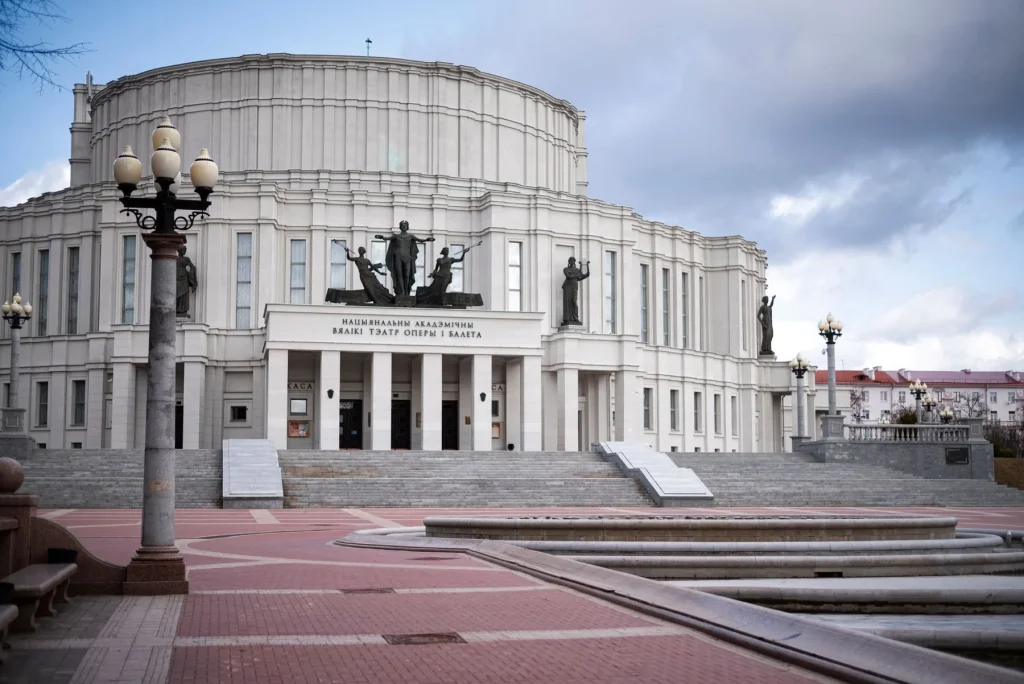
Maria Callas, a legend of the operatic stage, made history with her unique voice and charisma. Beyond her talent, her physical transformation also captivated the public. Standing 1.73 metres tall with a 58-centimetre waist after losing weight, she reinvented her image.
In 1949, she weighed 108 kilograms, but under pressure from her husband, she lost 40 kilograms. This transformation radically changed her figure, placing her among “the ten most elegant women in the world” in 1956. This recognition from the fashion world added a new dimension to her career.
Yet this transformation was not without consequences. Her aesthetic success sometimes overshadowed the vocal difficulties she experienced. Maria Callas remains an iconic figure whose legacy continues to inspire.
Maria Callas: a radical physical transformation
Maria Callas’s physical transformation remains one of the most striking episodes of her life. Motivated by personal and professional considerations, this metamorphosis had a profound impact on her journey.
The beginning of her career and her initial weight
In the early 1950s, Maria Callas weighed approximately 92 kilograms. Her weight, frequently discussed in the media, contrasted with the image she wanted to project. She often felt compared with her sister, reinforcing her sense of being an ugly duckling.
Her decision to lose weight and its consequences
In 1953, she embarked on a dramatic weight-loss programme and lost 30 kilograms in less than two years. Inspired by Audrey Hepburn, she adopted a low-calorie diet and an intensive training regimen. However, this extreme approach had immediate physiological consequences.
Marianne Vourch, who was close to the singer, recalled:
“Her transformation inevitably affected her voice, despite what she believed.”
The weight loss also caused respiratory and muscular problems.
The impact of her new physique on her career
After her transformation, Maria Callas worked with the greatest fashion designers. Her slender figure captivated directors and stylists, placing her among the most elegant women of her era. Yet this aesthetic success coincided with the onset of her vocal problems.
| Year | Weight (kg) | Event |
|---|---|---|
| 1953 | 92 | Beginning of her weight loss |
| 1955 | 62 | End of her transformation |
Maria Callas’s vocal challenges
The incident at the Rome Opera in 1958 marked a turning point in Maria Callas’s life. That day, before Italian President Giovanni Gronchi, her voice failed her, revealing difficulties that would persist.
The 1958 incident at the Rome Opera
On 2 January 1958, during a performance of Norma, her voice broke midway through the act. The event shocked the audience and the press. Marianne Vourch, who was close to her, said:
“She lost confidence in herself that day, and it changed the entire course of her career.”
The causes of her vocal difficulties
Several factors contributed to this decline. A medical diagnosis revealed tracheitis and vocal strain. In addition, her demanding roles and a vocal technique that placed excessive strain on her voice worsened the situation. Her rapid weight loss also weakened her respiratory muscles.
Expert opinions on her vocal decline
Experts believe that her weight loss played a key role in the deterioration of her voice. Marianne Vourch added:
“She sacrificed her health for a figure, and that came at a cost.”
Despite this, her legacy in bel canto remains undeniable.
| Year | Event | Impact |
|---|---|---|
| 1958 | Incident at the Rome Opera | Onset of vocal problems |
| 1965 | Retirement from the stage | End of her operatic career |
Maria Callas’s personal life and struggles
Maria Callas’s personal life, marked by turbulent relationships and private ordeals, profoundly influenced her artistic journey. Behind the legend was a multifaceted person whose choices and hardships shaped her legacy.
Her relationship with Aristotle Onassis
From 1959 to 1968, Maria Callas had a passionate affair with Aristotle Onassis, a Greek magnate. The highly publicised relationship was also marked by tension. Onassis, who was already married, was caught up in a media-driven rivalry involving Jackie Kennedy, which deeply affected Callas.
The affair also affected her career. She faced constant criticism and comparisons, deepening her sense of loneliness.
Personal challenges and loneliness
Maria Callas experienced periods of profound loneliness, particularly during her final years. Living in her Paris apartment on Avenue Georges-Mandel, she withdrew from the world. She spent hours listening to her own recordings, perhaps trying to recapture her former glory.
She also suffered from reproductive health problems that prevented her from having children. Her inability to experience motherhood was a source of pain, as her correspondence with close friends reveals.
The mysterious circumstances of her death
On 16 September 1977, Maria Callas died alone in her Paris apartment. The circumstances of her death remain unclear. Some cite a combination of medications, while others point to a heart attack. The doctors’ accounts differ, adding to the mystery.
Yves Saint Laurent paid tribute to her, saying:
“The gods have called back their voice.”
Her death marked the end of an era, but her emotional legacy lives on through her letters and her collaborations with artists such as Luchino Visconti and Pasolini.
Conclusion: Maria Callas’s legacy
The legacy of this opera icon continues to resonate far beyond her lifetime. Between 1948 and 1952, she gave 173 performances, leaving her mark on the history of operatic art. Her unique combination of dramatic acting and vocal performance redefined standards on the stage.
Her legacy lives on through recent exhibitions and reissued recordings. Her teacher, Elvira de Hidalgo, said: “She had a talent that transcended the limits of the human voice.” These words sum up her enduring impact.
Debate over the causes of her decline continues, serving as a reminder of the dangers of aesthetic pressure in the arts. Today, she embodies a transgenerational legend, a symbol of modern Greek tragedy. Her story continues to inspire women and artists around the world.