

The Tibetan singing bowl is an ancient instrument used to promote deep relaxation. Many people incorporate it into a nighttime routine to calm the mind after a busy day.
The sound experience creates an environment conducive to rest without requiring any spiritual belief. The sound often serves as a sensory tool for disengaging from intrusive thoughts.
Using it regularly can transform the bedroom into a well-being space dedicated to recovery. To learn more about its origins and uses, read our guide to everything you need to know about singing bowls.
Tibetan Singing Bowl for Sleep: What Can You Really Expect?
Many people wonder whether a singing instrument can genuinely help them enjoy more peaceful nights. Each bowl produces a unique sound signature. Its note varies according to its size, shape, and the alloys used by the craftsperson.
Tibetan singing bowls often provide a gentle transition between the activity of the day and the calm of the night. Striking or rubbing the instrument creates an anchor for your attention.
Focusing on the sound helps reduce mental distraction. The resonance affects the nervous system and makes it easier to enter a restful state.
Exploring the bowl’s effects helps you understand how sound can become an ally for peaceful nights. With regular practice, many people find it easier to fall asleep.
Understanding How Singing Bowls Work
The instrument’s origins and manufacturing method explain the richness of its harmonics. It comes from a Himalayan tradition spanning Nepal, northern India, Tibet, and Bhutan. The craftsperson’s expertise plays a central role in the final quality.
Origins and manufacture
Traditional handcrafting involves melting seven metals together, each associated with a planet. This mixture produces complex harmonics and a long-lasting resonance.
The role of the metals
Each metal influences the tone and duration of the sound. Hammering and casting methods affect the richness of the sounds and the bowl’s everyday use for meditation and well-being.
Choosing a suitable instrument is crucial. To explore the technique and history in greater depth, read our guide to everything you need to know about singing bowls.
Scientifically Observed Benefits for Sleep
Some research suggests that a brief sound session prepares the brain to produce waves associated with rest.
Clinical evidence: a 2016 study from the University of San Diego shows that vibrations from singing bowls significantly reduce stress and anxiety. Another 2014 study reports lower cortisol levels in 100% of participants after a sound session.
The sound stimulates alpha waves (8–12 Hz). These waves promote a state of deep relaxation and help the body transition into sleep. A 15-minute session is often enough to observe this change.
Physical effects: sound massage releases muscle tension and modulates the heart rate. According to the INSV, the vibrations affect the nervous system and help break the stress cycle.
People who regularly meditate with singing bowls report a noticeable improvement in sleep quality and overall well-being.
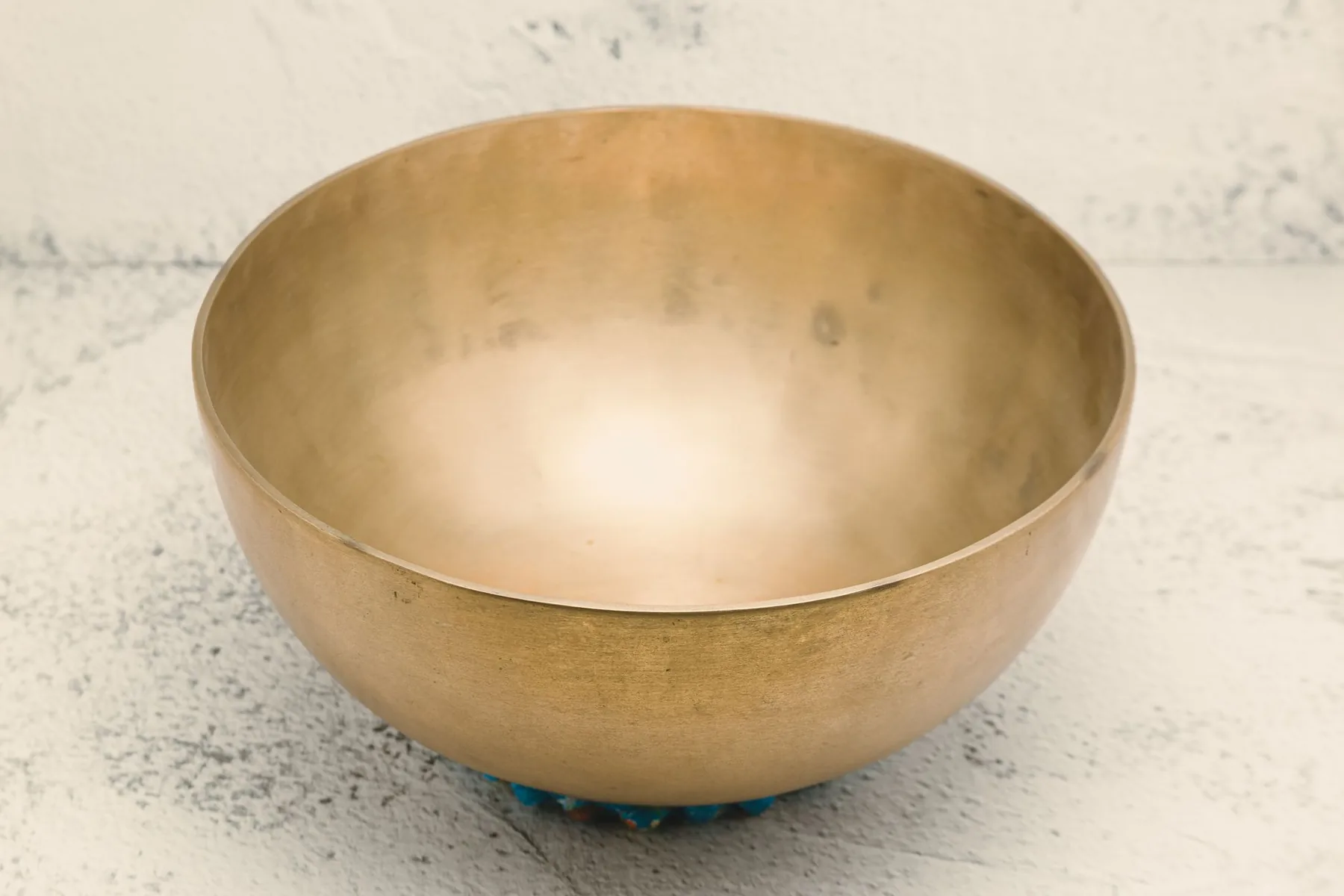
| Study | Session duration | Observed effect |
|---|---|---|
| San Diego, 2016 | 15 min | Reduction in stress and anxiety |
| Study, 2014 | Single session | Lower cortisol levels in 100% of participants |
| INSV reports | Repeated sessions | Heart-rate regulation and relaxation |
For practical and legal information, please read our legal notice.
Choosing an Instrument for Nighttime Practice
The bowl’s size and ease of handling often determine how comfortable it is to use at night.
Beginners: an instrument measuring 12 to 15 cm offers a good balance between maneuverability and sound quality.
Larger models produce low frequencies. These deep sounds are ideal for meditation and profound relaxation.
Test the resonance in a store. Choose a Tibetan singing bowl whose tone gives you a sense of well-being from the first listen.
The quality of the alloy determines the duration of the resonance and the richness of the harmonics. An instrument that is easy to hold in your hand allows for smooth, effortless practice.
| Size | Characteristic | Recommended use |
|---|---|---|
| Small (10–12 cm) | Easy to handle, high-pitched sound | Beginners, short sound journeys |
| Medium (12–15 cm) | Balance between maneuverability and sound quality | Regular nighttime practice |
| Large (16 cm and above) | Deep bass tones, long resonance | Extended meditation, deep relaxation |
Ultimately, how the bowl feels to you matters more than its technical specifications. Regular practice begins with a bowl that inspires confidence and serenity.
Creating an Environment Conducive to Relaxation
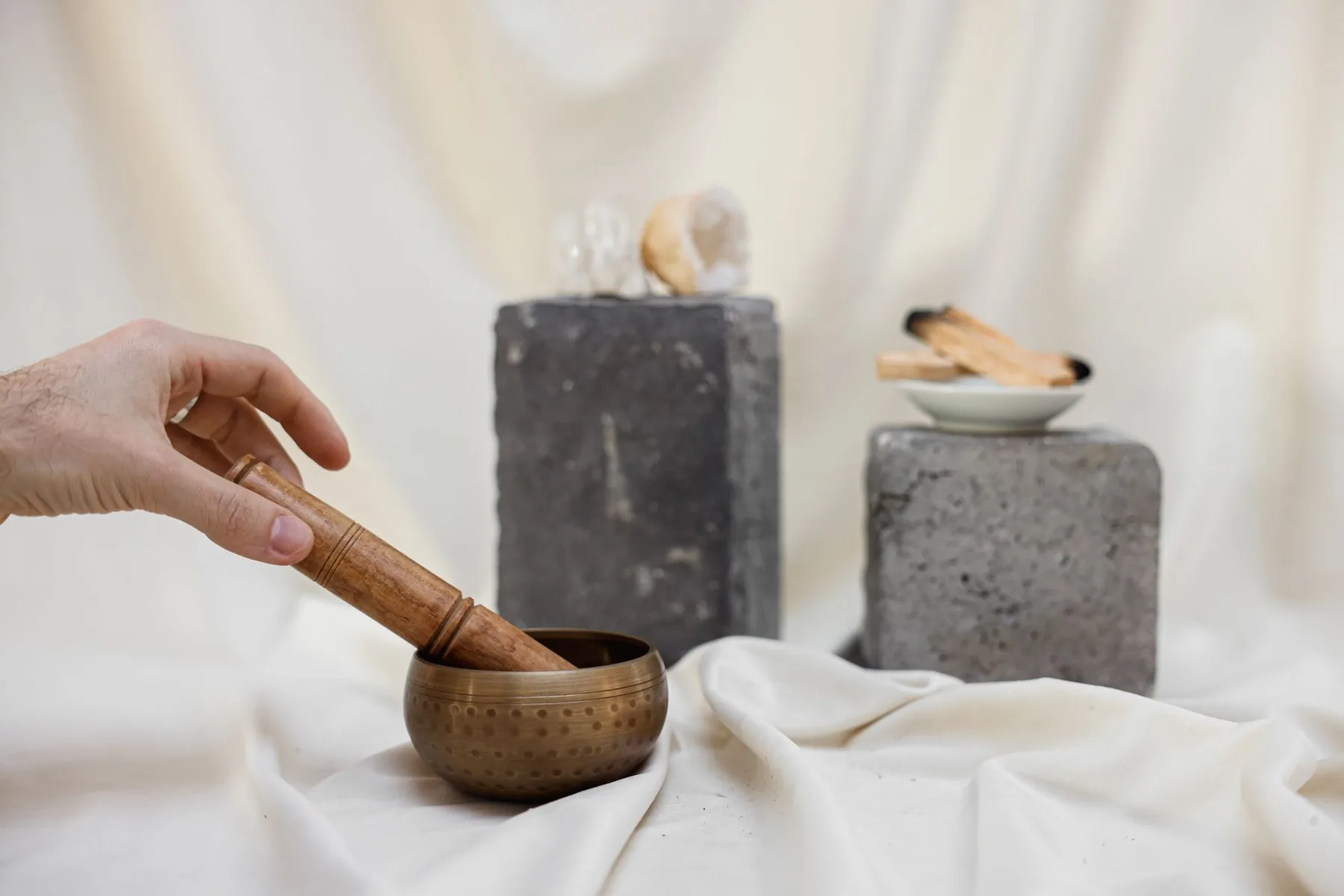
Preparing the space is a small ritual that helps the mind release the day’s tensions. A dedicated corner, however small, anchors the practice in your routine and encourages relaxation.
Lighting and temperature
Keep the bedroom between 16°C and 18°C: this temperature range supports the natural process of falling asleep. Choose soft, dim lighting.
A cushion and blanket placed within easy reach create a physical anchor. A clean and tidy space promotes mental clarity and relaxation.
The role of silence
Complete darkness and the absence of noise maximize the benefits of sound sessions.
Acoustic curtains can reduce outside noise by up to 60% and enhance the sense of calm. Add a short meditation with a bowl to reduce stress.
- Turn off screens 30 minutes before the session.
- Turn your preparation into a ritual: this signal helps the mind let go.
Mastering Striking and Rubbing Techniques
A controlled movement on the rim transforms a simple strike into a lasting resonance. To produce a pure sound when striking, apply pressure of 300 to 500 g/cm² to the rim of the Tibetan singing bowl. A light touch sets the tone for the session.
Rubbing the mallet along the outer rim sustains the vibrations. Move slowly and steadily. Excessive speed muddles the sounds.
Hold the instrument in the palm of your hand without tensing up. Your nondominant hand can support the bowl to stabilize your movements. This allows the vibrations to travel freely through the body.
- Begin with a gentle strike to start the resonance.
- Move the mallet around the rim with slow motions.
- Practice regularly: allow around 21 days to learn to make your bowl sing smoothly.
With patience, practice transforms listening into a physical experience. The singing bowl responds to pressure and rhythm: a controlled movement amplifies the vibration and enriches the sensations.
Incorporating the Bowl into Your Evening Routine
Establishing an evening sound ritual helps the brain recognize that it is time to rest.
A transitional ritual before bed
Start with 10 to 15 minutes: a short session is enough to calm the body and reduce stress. Sit comfortably and hold the bowl in your palm.
Strike it gently, then rub the rim. Feel the vibrations travel through your hand and arm. Breathe slowly to enhance the effect of the sound massage.
- Relaxed posture: avoid muscle tension.
- Consistency: practice at the same time every evening.
- Combination: pair sounds with breathing for deeper relaxation.
“Sound becomes a signal for the mind: it marks the moment to let go.”
This simple method often improves sleep quality without medication. To learn more about the benefits and uses, read the dedicated guide.
Using Vibrations for Guided Meditation
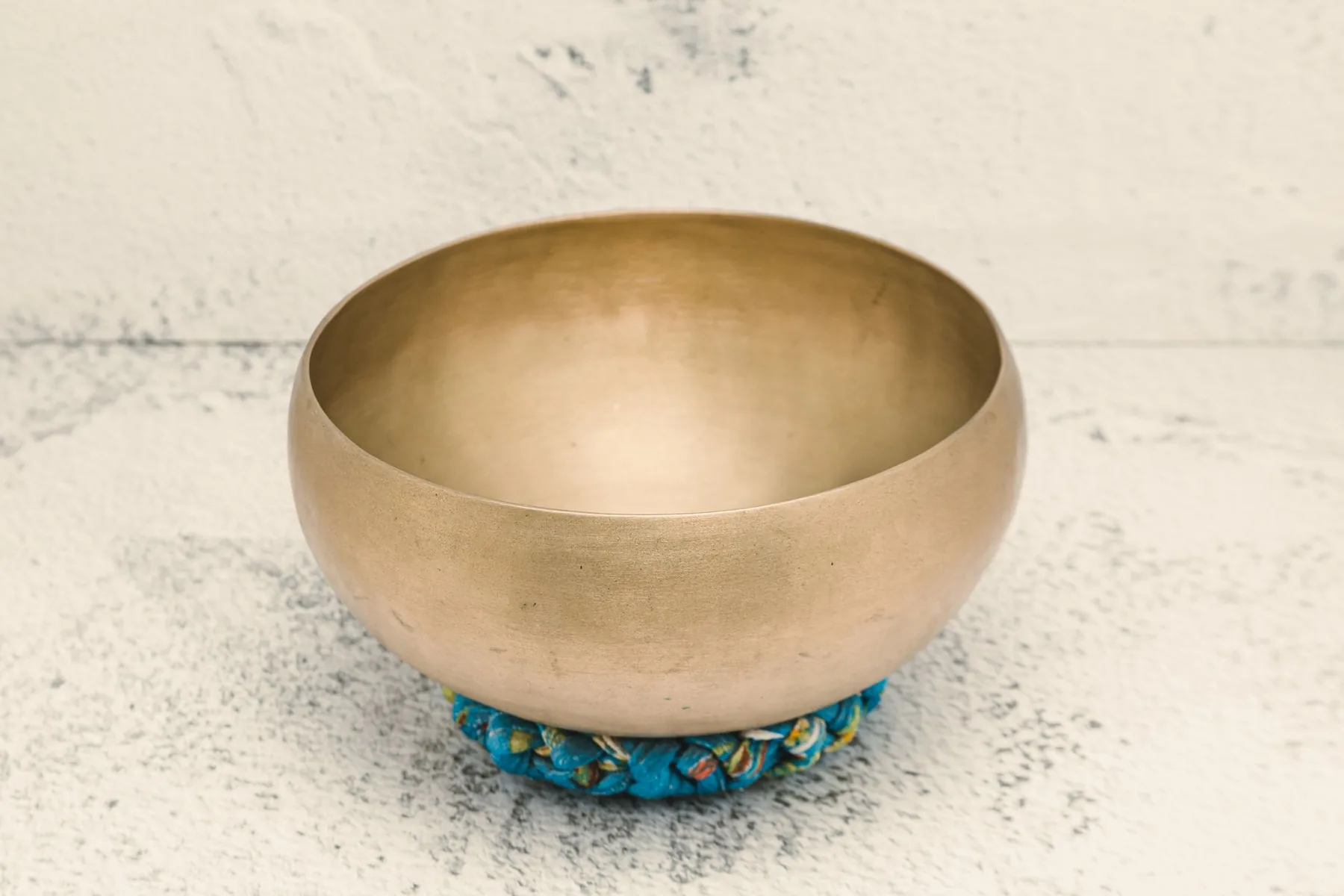
The vibration of a singing instrument becomes a natural anchor for meditation. By directing your attention toward the hand holding the Tibetan singing bowl, you can follow the waves as they travel through the body.
This simple practice helps the mind return to the present. The sounds produced by singing bowls give the session structure and prevent the mind from wandering.
The vibrations act like a sound massage: they create a sense of release and help relieve tension. The experience may also bring emotions to the surface, helping you process them.
To deepen the practice, focus on the geometry of the sound. Visualizing circular or wave-like shapes helps stabilize your state of awareness and ground the practice.
“Sound acts as a guide and point of reference: it makes meditation more accessible.”
- Tip: start with 10 minutes and gradually increase the duration.
- Effect: harmonization of the body’s frequencies and improved well-being.
Essential Precautions and Contraindications
Before any session, it is essential to identify contraindications that could make the practice unsuitable. A cautious approach protects your health and supports your well-being.
Medical conditions
People with electronic implants, such as pacemakers, should consult a doctor before using a Tibetan singing bowl.
If you have epilepsy or a neurological disorder, adjust the duration and intensity of the sessions. Care is needed to avoid triggering a seizure.
Allergies to metals such as nickel or copper require checking the bowl’s composition beforehand or wearing gloves.
Sound sensitivity
If you experience tinnitus or headaches, immediately reduce the exposure time and move the instrument farther away.
Practical rule: keep the bowl at least 30 cm from your ears to limit the perceived intensity of the vibrations.
- Pregnancy: avoid direct contact with the abdomen and practice at a distance.
- Record your reactions in a journal: sensations, tension, and your state of mind after each session.
- A Tibetan singing bowl is a complementary relaxation tool and is not a substitute for professional medical care.
“Adapt the method and practice time to your body and its reactions.”
To learn more about the risks associated with tinnitus and sound-based practices, read this article about tinnitus and sound practices.
Caring for Your Bowl to Preserve Its Resonance
A few simple maintenance steps are enough to preserve the richness of the harmonics.
Cleaning: wipe it with a soft cloth after every session. A nonabrasive cloth prevents scratches and keeps the surface clean.
Perform a more thorough cleaning with natural products every month. This routine protects the metal and preserves the purity of the sound.
Apply a thin layer of beeswax to the metals to prevent oxidation. The wax conditions the surface and restores its shine.
Store your instrument in a protective case. Keep the mallet separate from the Tibetan singing bowl to prevent impacts that could impair its resonance.
- Practice regularly: daily use keeps the harmonics alive.
- Protect your bowl while traveling with a padded case.
- Record the bowl’s condition after each session to identify early wear.
“A well-maintained bowl ensures a consistent sound experience and a beautiful presence during your well-being sessions.”
| Action | Frequency | Benefit |
|---|---|---|
| Soft cloth | After every use | Preserves the surface and prevents scratches |
| Natural cleaning | Monthly | Extends its lifespan and maintains the purity of the sound |
| Beeswax | Occasionally (as needed) | Protects against oxidation and restores shine |
| Case and separate mallet storage | Whenever stored | Prevents impacts and deformation |
Common Mistakes to Avoid During Your Sessions
Knowing how to moderate your movement changes everything: subtlety matters more than brute force.
Managing force and pressure
Striking too hard often makes the sound harsh and unpleasant. Always begin with a gentle strike.
Poor management of pressure while rubbing creates squeaking sounds. Do not change the intensity abruptly; fluid movement sustains the resonance.
Take care not to grip the instrument tightly. If the bowl is constrained, its body cannot vibrate freely and its tone is lost.
- Do not rush the learning process: moving slowly reveals the subtleties of the sound.
- Protect children during group sessions: their hearing is sensitive.
- Avoid uncertified mass-produced models: some alloys may contain harmful metals.
- Position the mallet on the outer rim to produce lasting resonance.
“A controlled movement provides a deep sound massage that respects the body.”
| Mistake | Consequence | Simple solution |
|---|---|---|
| Striking too hard | Harsh sound | Begin with a light touch, then increase the intensity if necessary |
| Uneven pressure | Squeaking | Maintain a slow, steady rhythm |
| Gripping the bowl | Loss of resonance | Hold the bowl in your palm without gripping it |
| Choosing an uncertified model | Health risk | Choose reliable certifications |
Conclusion
Regular use of a Tibetan singing bowl may improve sleep by reducing stress and promoting relaxation. The sound helps the mind refocus and prepares the body for deeper rest.
The observed benefits include better sleep quality and reduced tension. Tibetan singing bowls and singing bowls stimulate waves conducive to relaxation. They become simple allies for meditation and well-being.
By devoting a few minutes to this ritual each evening, you create a moment of calm. This natural tool turns the end of the day into a peaceful interlude and encourages lasting rest.