
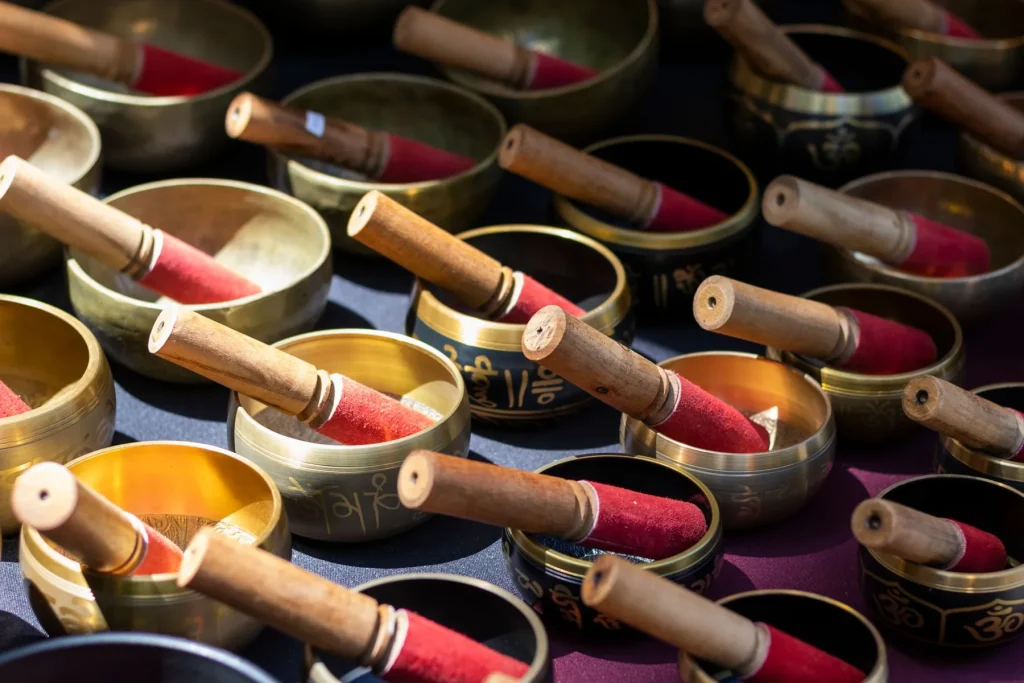
Choosing the right tool makes all the difference for a singing bowl or a singing bowl. Tests involving more than twenty mallets clearly show that this accessory affects the tone and sustain of the sound.
The wrong mallet can produce a dull tone. Direct contact with the bowl’s metals determines the richness of its harmonics. The object’s quality is therefore essential.
This article presents the different models, their uses and the criteria to consider before buying. It helps every musician find the right accessory for their instrument.
For enthusiasts in France, the Instruments du Monde store offers a wide range of instruments and tools. Follow this guide to optimize the use of your bowl and produce harmonious vibrations.
Why your choice of accessory matters
The quality of the contact between the mallet and the bowl wall transforms the entire listening experience.
Approximately 70% of beginners overlook the mallet’s diameter. A tip that is too wide or too narrow can muffle the harmonics or cause unpleasant squeaking.
The harmonic spectrum varies with the mallet’s material. This directly affects its impact on the metals of your instrument and the richness of its vibrations.
A gong mallet used on a small Tibetan singing bowl often creates dissonance. The importance of this choice is frequently underestimated, even though the tool and the singing bowl form an inseparable pair.
- 70% of beginners overlook the diameter: the harmonics may become muffled.
- The mallet’s material changes the resonance of the metals.
- A high-quality accessory makes the instrument much easier to use and improves its sound quality.
To learn more about choosing a suitable mallet, read this practical guide: suitable mallet.
Tibetan singing bowl mallet: how to choose the right model
The right tool reveals notes that sometimes lie hidden within the bowl.
The traditional stick (puja) is often made from sheesham. It measures between 8 and 30 cm and may reach 7 cm in diameter for larger models. This stick produces stable frequencies and is suitable for metal instruments.
Mallets with felt or wool heads produce deep sounds. They vibrate the bowl wall without causing dissonance and are ideal for heavy bowls or meditation sessions.
Accessories for crystal bowls: silicone mallets reduce squeaking by approximately 80% compared with suede. They are recommended for quartz singing bowls and protect their fragile surfaces.
- Small bowls < 12 cm: choose a small wooden stick to prevent squeaking.
- Hybrid mallets (wood + felt): versatile options for traveling musicians.
- Choose according to use: the choice between a stick and a mallet affects harmonics and vibrations.
Matching the mallet size to your instrument
The size ratio between the stick and the bowl determines the clarity of the vibrations.
The proportionality rule
A simple method can help you find the right size: the tool’s diameter should be approximately one-seventh of the bowl’s diameter. This rule ensures an even distribution of vibrations and preserves the harmonics.
Practical examples and advice:
- For a 20 cm bowl, a stick approximately 18 cm long provides a good balance of frequencies. Consider adding 1 cm for comfort.
- For small metal bowls, choose a small wooden stick.
- A mallet that is too wide crushes the harmonics, while one that is too narrow causes squeaking. Pay close attention to the head diameter.
“A well-proportioned mallet allows a singing bowl to sing clearly.”
| Bowl diameter | Recommended mallet diameter | Recommended length | Suitable type |
|---|---|---|---|
| 10 cm | < 3 cm | 10–12 cm | Silicone / slender wooden stick |
| 20 cm | ≈ 2.8 cm | 18–19 cm | Wooden stick / felt |
| 30 cm | ≈ 4.3 cm | 25–31 cm | Large stick / felt head |
Choose the mallet type carefully: a wooden stick is suitable for stable frequencies, a felt head protects the bowl and enriches the sound, and silicone reduces squeaking on fragile surfaces.
To compare models and find the right accessory, browse our dedicated selection: recommended mallets.
The crucial influence of materials on vibrations
The stick’s material radically changes the tone and sustain of the vibrations.
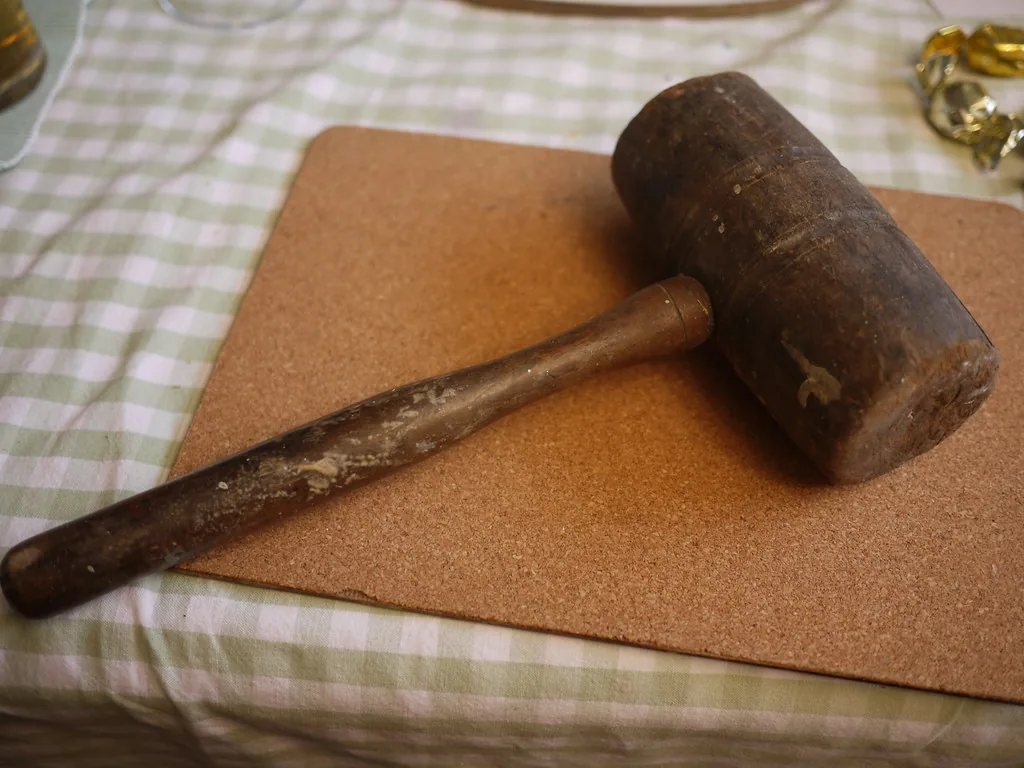
Sheesham produces warm, stable vibrations. This traditional wood provides notable precision on metal and can last up to five years with minimal maintenance.
Nepalese felt increases bass frequencies by approximately 15%. It reduces dissonance and enriches the listening experience during therapeutic sessions.
For crystal bowls, silicone (65 Shore A) reduces squeaking by 80% and protects fragile surfaces. Aged leather improves grip by 40%, encouraging longer-lasting vibrations.
| Material | Main effect | Durability | Recommended use |
|---|---|---|---|
| Sheesham | Warmth, stability | Up to 5 years | Metal instruments, precision |
| Nepalese felt | Bass: +15%, reduced dissonance | 3–6 years | Meditation, sound therapy |
| 65 Shore A silicone | Squeaking: −80%, protection | Up to 10 years | Crystal bowls |
| Aged leather | Grip: +40% | 4–8 years | Prolonged vibrations on metal |
Each type affects your instrument’s harmonics and frequencies. To learn more about how these materials are used in therapeutic practices, read our guide to energy healing and singing bowls.
Striking techniques that reveal the bowl’s sonic potential
A precise movement instantly transforms your instrument’s sound.
Targeted striking and circular rubbing are two simple methods that release the bowl’s vibrations and harmonics.
Striking for clear resonance
Strike the rim at a 45-degree angle to produce a clear, balanced note. This movement brings out the fundamental notes.
With a suitable mallet, 90% of beginners learn this technique in less than a week.
Circular rubbing for prolonged vibrations
Make eight rotations per minute around the bowl wall while maintaining constant pressure. This movement increases the duration of the vibrations by approximately 40%.
Twelve minutes a day is enough: one study reports a 25% reduction in cortisol levels after regular sessions.
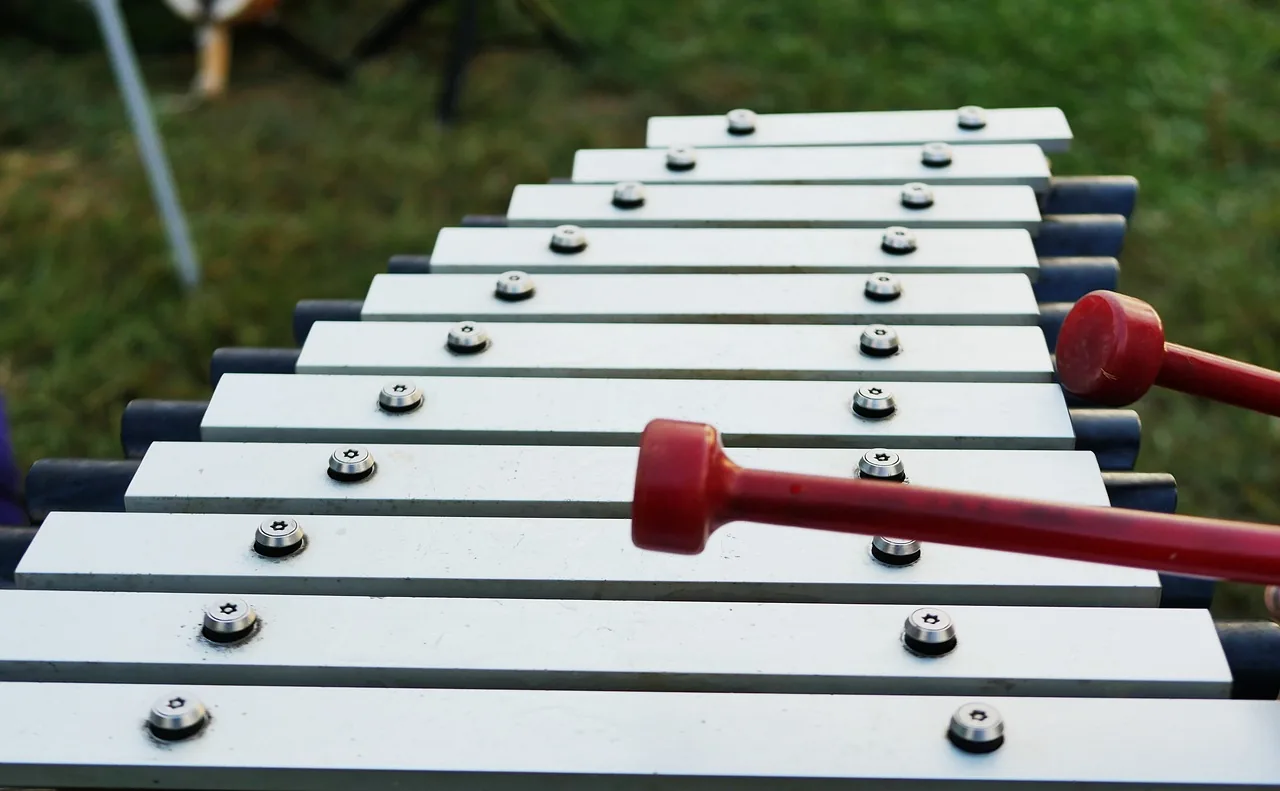
- Strike at 45°: a clean note, ideal for beginners.
- Circles at 8 rotations per minute: extend vibrations by 40%.
- Constant pressure: prevents dissonance along the bowl wall.
| Technique | Effect | Recommended rhythm | Use |
|---|---|---|---|
| Striking the rim | Clear note | 1 controlled strike | Beginners, precise notes |
| Circular rubbing | Prolonged vibrations | 8 rotations/min | Meditation, sound therapy |
| Alternating strikes and circles | Harmonic richness | 12 min/day | Daily practice |
To deepen your knowledge of how to use the instrument and compare different models, read this comprehensive guide.
Budgeting and investing in quality equipment
Investing wisely prevents you from buying accessories that diminish vibrations and notes.
Price range: mallet prices start at around €10 for bamboo models and can reach €150 for handcrafted crystal pieces.
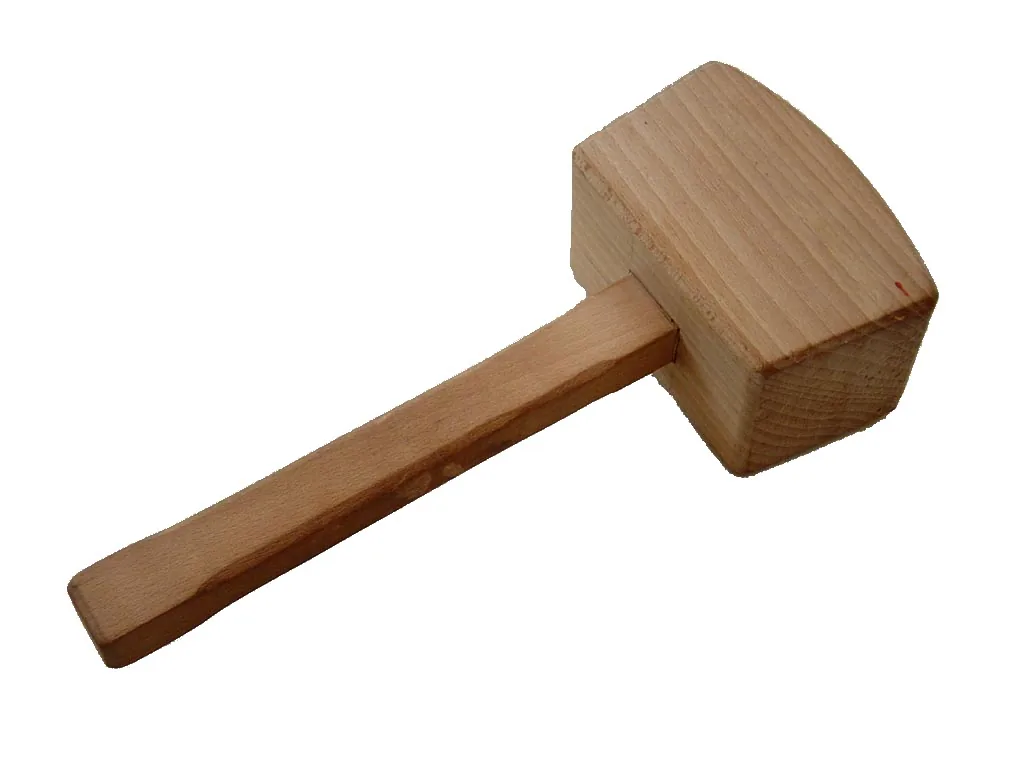
For reasonable durability, budget between €27 and €35. This price range offers good value and helps you avoid counterfeit products.
A beginner’s kit costing approximately €45 combines a wooden stick with a felt mallet. It allows you to explore different notes and techniques without taking a major financial risk.
- Sheesham or leather: a professional investment with a lifespan of more than five years when properly maintained.
- Silicone and other materials protect fragile surfaces and reduce squeaking.
- Simple maintenance, such as brushing the felt daily, extends the accessory’s lifespan.
“A good mallet preserves the bowl’s harmonics and fullness of sound.”
Before buying, consider the materials, the bowl’s size and its intended use. To compare prices for an authentic bowl, read this guide: price comparison.
Conclusion: improve your practice with the right tool
The right accessory transforms every session into a deeply immersive sound experience.
Size, material and intended use remain the three pillars that determine the accessory’s quality and its impact on your instrument.
Try several models to hear the difference they make to your singing bowl and Tibetan singing bowl. A professional tool extends your instrument’s lifespan and enhances its therapeutic benefits.
This article has given you the essential knowledge for harmonious practice and pure resonance. To explore more models and complementary guides, visit this dedicated page: mallet selection.