
Introduction: This article examines the risks that using a bowl may pose to your health and the precautions needed to practise safely. From the outset, we stress that these instruments are sound-producing objects, not medical remedies.
Protecting your hearing is essential. Sounds can exceed 80–85 dB, a threshold that calls for caution. We will explain sound levels and the simple precautions you can take.
Objective: to provide verifiable facts, distinguish science from belief, and suggest practical ways to incorporate this object into a wellness routine without overstating its capabilities.
Finally, every reader should remember that no instrument can replace professional medical care when a health problem arises. The rest of this article examines risks related to materials, vibrations, and sound intensity.
Tibetan Singing Bowl: Are There Any Dangers or Side Effects?
Assessing the risks associated with using a sound-producing instrument requires nuance and evidence.
The answer should remain pragmatic. Tibetan singing bowls are sold as musical instruments. They are generally safe for the public.
They should not be credited with miraculous healing powers. No serious study confirms that an instrument can replace medical treatment.
Regular practice often promotes relaxation and concentration. Sensitivity varies, however: some people experience profound calm, while others simply feel relaxed.
The real risk comes from improper use: excessive volume, abrupt handling, or unrealistic expectations. Adapting each session to your health is essential.
“Used as a complementary tool, this type of object can support well-being without replacing medical care.”
- A musical instrument accessible to everyone
- Possible benefits: relaxation and grounding
- Caution: avoid excess and self-diagnosis
| Aspect | Finding | Advice |
|---|---|---|
| Classification | Sound-producing instrument | Treat it as a wellness tool |
| Scientific evidence | Limited | Do not substitute it for medical care |
| Main risk | Improper use | Adjust the intensity and duration |
The Difference Between a Musical Instrument and a Therapeutic Remedy
A clear distinction must be made between a musical instrument and medical care.
The primary role of these instruments remains artistic: they produce sounds and harmonics and create an atmosphere. Sound therapy uses these vibrations to encourage relaxation, not to treat a medical condition.
Responsible practitioners always make this clear: the practice must never replace medical care. A session may help calm the mind, but that does not prove a direct curative effect on the body.

A trained practitioner will establish a clear intention and explain the practice’s limitations. Mistaking a musical tool for a remedy creates unrealistic expectations. It may delay a necessary diagnosis or treatment.
- Status: a musical instrument, not a medical device.
- Use: encouraging relaxation through an enveloping soundscape.
- Caution: maintain a realistic view of its effects.
“Used as a complement, this tool can support well-being without taking the place of medicine.”
To learn more about limitations and contraindications, read this information about contraindications.
Hearing Risks Associated With Sound Intensity
The volume and frequency of sounds directly affect hearing risk. Large instruments may exceed 80 dB, the threshold beyond which caution is needed.
Decibel Thresholds and Hearing Protection
Caution: at around 85 dB, prolonged exposure increases health risks. Controlling the volume and striking force limits the impact.
- Maintain a distance between the sound source and the head to reduce exposure.
- Reduce the duration of sessions to prevent listening fatigue.
- Adjust the frequency of sessions to prevent sensory overload.
Warning Signs and Listening Fatigue
Warning signs: headaches, ringing in the ears, or a temporary reduction in hearing should be taken seriously.
If you experience any of these signs, stop using the instrument immediately, move away from the sound source, and shorten future sessions. For more practical information about tinnitus and headaches, read this article on tinnitus and headaches.
“Relaxing vibrations become risky when volume and duration are not controlled.”
Precautions Regarding Vibrations in the Body
Controlling vibrations is the key to a safe and soothing session. Since Gustav Zander’s work in 1867, the therapeutic use of vibration has been studied. This research suggests potential value while also emphasizing the need for caution.
During a sound massage, direct contact between Tibetan singing bowls and the skin should remain very gentle. Adapt the intensity and duration to each person’s sensitivity.
Areas of the Body to Avoid
Before a session, it is essential to identify areas that should be avoided: the spine, neck, and any vulnerable area. Never place a bowl directly on an inflamed, recently injured, or sensitive area.
- Always ask the person what they feel so you can adjust the distance and force.
- If discomfort occurs, favour a little more distance rather than firm contact.
- Moderate the frequency and duration of sessions to prevent tissue irritation.
“Sounds and vibrations should envelop the body, never assault it.”
Safe practice depends on knowing which areas to avoid and listening to the person’s responses. To learn more about contraindications and safety principles, read these detailed recommendations.
Metal Composition and Allergy Risks

Metal composition affects both sound quality and potential reactions. Most instruments sold are made from an alloy in which copper and tin account for more than 99% of the composition.
Skin Reactions to Alloys
Some people may develop redness after direct contact with these metals. These reactions are generally mild and occur mainly after prolonged contact.
If irritation occurs, stop contact immediately and clean the affected area. Consult a healthcare professional if the redness persists.
Heavy-Metal-Free Alternatives
- Regular cleaning: removes metallic residue and limits irritation during use.
- Alternatives: quartz crystal avoids metal-related toxicity.
- Quality: a simple alloy can provide rich harmonics without relying on heavy metals.
If safety is your priority, choose a certified bronze bowl. To learn more, read these contraindications.
“If an allergic reaction occurs, stop all direct contact and seek medical advice.”
Medical Situations Requiring Extra Caution
Before any exposure to vibrations, identify situations that require medical advice.
Neurological disorders. For conditions such as Parkinson’s disease, a 2009 University of Waterloo study suggests potential benefits from vibration therapy but recommends a cautious approach.
Implants and medication. People with a pacemaker should consult a doctor before any exposure. You should also disclose the use of blood-thinning medication before any sound-therapy session.
Pregnancy and vulnerabilities. Pregnant women should avoid direct contact between bowls and the abdomen and should limit vibration intensity.
Diabetes, heart conditions, and epilepsy. Seek medical advice if you have advanced diabetes or heart problems. In some people with epilepsy, sounds and vibrations may trigger a seizure; strict supervision is necessary.
The practitioner’s role. The practitioner should assess medical history and adapt the duration, volume, and distance to reduce risk. If pain or discomfort occurs, stop the session and consult a healthcare professional.

Effects on Mental Health and Sensory Overload
Prolonged vibrations affect mental equilibrium in some people.
An excessively intense sound source or excessive exposure time can cause general fatigue. Some people report headaches, nervousness, or difficulty concentrating after a session.
Repeated practice without breaks can turn a relaxation tool into a source of stress for the nervous system. It is crucial to monitor physical and mental responses and adjust the frequency of sound-therapy sessions accordingly.
Practical advice: begin with short sessions, reduce the intensity, and increase the duration gradually. If you have a mental health condition, consult a qualified practitioner before incorporating singing bowls into your daily routine.
A well-run session often promotes restorative sleep. Prolonged exposure, however, may cause mental agitation. If you experience discomfort, stop the practice immediately and allow your body to regain its natural balance.

“Managing intensity and duration is the key to preventing vibrations from becoming a source of discomfort.”
Best Practices for Safe Daily Use
Adopt simple habits to keep daily practice safe and enjoyable. A calm environment limits sound overload and helps you relax. Choose a room without pronounced echoes and move away from sources of background noise.
Environment and Posture
Sit on a stable surface. An upright but relaxed posture protects your neck and head.
Breathe slowly and maintain a reasonable distance between the instrument and your ears to reduce the perceived volume.
Striking Techniques
Strike gently to produce clear harmonics without creating volume spikes. A soft stroke helps prevent headaches and preserves sound quality.
An experienced practitioner can show you how to hold the instrument and mallet to avoid abrupt movements.
Gradual Progression
Begin with short sessions and increase the duration gradually. Reduce their frequency if you experience listening fatigue.
- Measure the volume to maintain a comfortable level.
- Increase the intensity in stages, not all at once.
- If discomfort occurs, stop the session and allow your body to regain its balance.
“Gentle progression supports lasting integration into your routine and promotes good-quality sleep.”
Ethics and Responsibility When Discussing Benefits
Honest information protects people and strengthens the practice’s credibility. Instrument sellers should avoid making promises that serious illnesses can be cured.
Before every session, it is essential to provide clear information about potential adverse effects. Informed consent should be obtained and documented.
The practitioner must explain the practice’s limitations and distinguish relaxation from medical treatment. They should adjust intensity, duration, and distance according to how each person feels.
- Transparency about the bowl’s composition and the techniques used.
- Session records to monitor exposure and progression.
- Honest communication about risks and expected benefits.
“A sustainable practice rests on rigorous ethics that put health and safety first.”
| Commitment | Practical action | Benefit |
|---|---|---|
| Information | Information sheet before every session | Informed consent |
| Transparency | Detailed composition and techniques | People’s trust |
| Monitoring | Session journal | Adjustment of intensity and duration |
The Complementary Role of Bowls in Medical Care
Tibetan singing bowls can complement medical care when they are incorporated thoughtfully. Their main contribution lies in relaxation and stress management, which may help improve sleep quality for some people.
Before any session, consult a doctor if you have a pacemaker or take blood-thinning medication. In these situations, exposure to sound and vibration requires medical assessment to prevent potential risks.
If you have a heart condition, vulnerable tissues, or another health problem requiring caution, speak to your doctor before practising. Tell the practitioner how your body responds to the sounds so that they can adjust the intensity, distance, and duration.
- Collaboration: dialogue between the practitioner and medical professionals helps ensure safe care.
- Supervision: some situations require avoiding the practice or strictly limiting it.
- Integration: when conducted properly, sound therapy complements a broader approach to health.
“Safety depends on communication among the patient, practitioner, and doctor to maximize benefits while reducing risks.”
How to Choose an Instrument Suited to Your Sensitivity
To choose a suitable instrument, begin by considering your own sensitivity to sound. Try several models before buying to ensure that their resonance does not cause discomfort during a session.
Handcrafted singing bowls often provide better quality and richer harmonics than industrial models. They require less force to produce a pleasing resonance.
The instrument’s size directly affects the sound intensity it produces. For highly sensitive people, a smaller model reduces perceived volume without sacrificing tone.
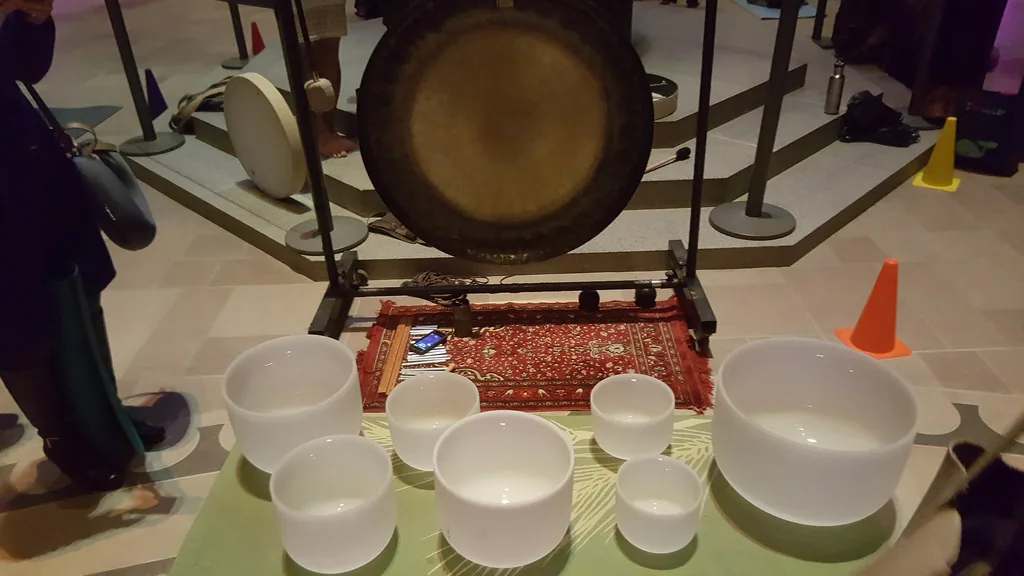
If you are allergic to metals, choose quartz crystal: it eliminates the risk of a metal-related skin reaction and offers an interesting sonic alternative.
| Criterion | Why it matters | Practical advice |
|---|---|---|
| Quality | Affects harmonic richness | Choose handcrafted models and listen before buying |
| Size | Determines intensity | Choose according to your hearing sensitivity |
| Material | Allergies and tone | Choose crystal if you have a metal allergy |
“A well-chosen instrument makes the session enjoyable and maximizes its relaxation benefits.”
Conclusion
In conclusion, a measured approach protects your well-being and extends the benefits of sound. Control the volume, distance, and duration to reduce the risks associated with sound exposure and perceived volume.
If you have a health condition, consult a doctor before any session and inform your practitioner. Sound therapy remains a complement to medical care, not a substitute.
Choose a quality instrument, check which metals it contains, and note any skin reaction. Measure the sound level, observe how you feel, and adjust session frequency to promote relaxation and good-quality sleep.
Remain attentive: gradual, informed practice minimizes adverse effects and supports lasting integration into your routine.