
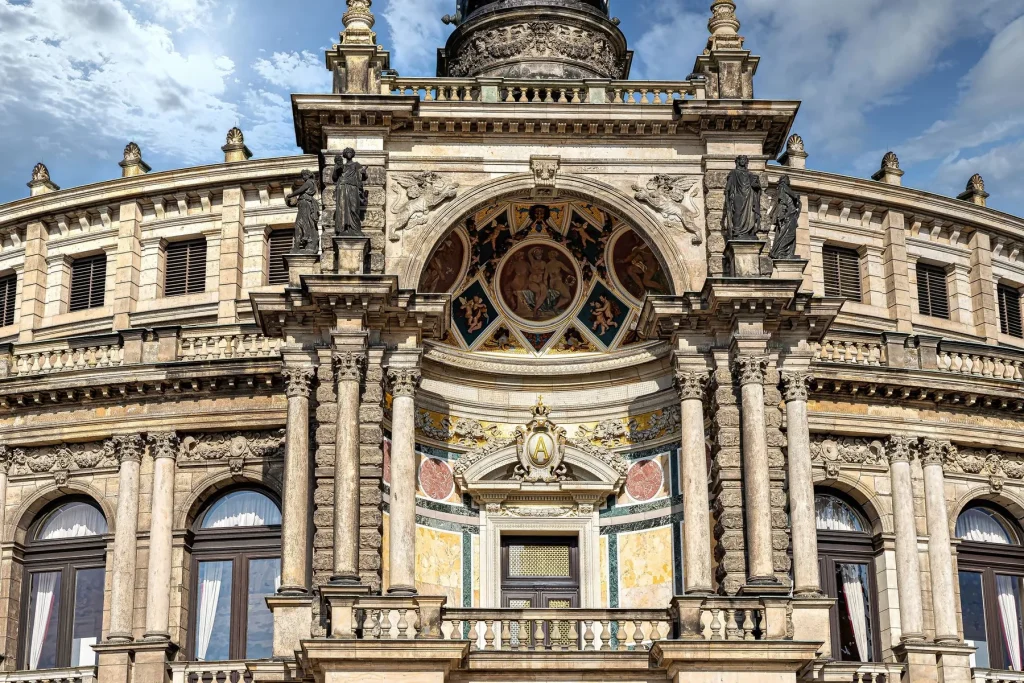
On November 11, 1974, in Sapporo, Japan, a legend of opera gave what would become her final performance on stage. The event marked the end of an extraordinary career, rich in emotion and challenges. Accompanied by Giuseppe Di Stefano during their 1973–1974 world tour, she went through a period that was both glorious and tumultuous.
In his book, Robert Sutherland describes the tour as a “failed comeback, but one rich in lessons”. Audience reactions were mixed, reflecting the artistic and personal challenges she faced. With 89 performances of Norma and 63 of La Traviata, her legacy remains undeniable.
This final performance left a profound mark on the legend surrounding this icon. In this article, we will explore key themes such as her relationship with Onassis, her vocal decline, and the lasting impact of her voice on the world of opera.
Introduction: Maria Callas, an opera legend
From her debut in Athens in 1941, a star of opera began to shine. At just 17, she performed Tosca, marking the beginning of an extraordinary career. This artist revolutionized bel canto and left an indelible mark on classical music.
Maria Callas’s extraordinary career
Her career was filled with memorable moments. In 1953, she lost 30 kg, transforming not only her appearance but also her stage presence. With a three-octave vocal range, she redefined the standards of opera.
She performed more than 600 roles over 20 years, including 89 performances of Norma. Leonard Bernstein called her the “Bible of opera”, highlighting her unmatched impact. Her recordings for EMI, including 25 studio albums, remain benchmarks.
The significance of her final performance
Her final performance in 1974 marked the end of an era. Although tumultuous, this farewell tour was the tragic culmination of her career. Despite personal and professional challenges, she demonstrated her commitment to art.
| Year | Event | Impact |
|---|---|---|
| 1941 | Debut in Athens | Launch of her career |
| 1953 | Physical transformation | Artistic renewal |
| 1974 | Final performance | End of a legend |
“The Bible of opera” – Leonard Bernstein
The context of the final tour
In 1974, an opera icon embarked on a tour that would mark the end of her artistic journey. This period was shaped by complex motivations and unprecedented challenges.
Why she returned to the stage
Her decision to return to the stage was motivated by financial considerations. The artist wanted to help the daughter of Giuseppe Di Stefano, her tour partner, receive treatment for a serious illness. However, the comeback was also an attempt to break free from the loneliness engulfing her.
Robert Sutherland described the endeavor as “a desperate attempt to reclaim a place in the world”. Despite the criticism, this exceptional woman showed remarkable courage.
Personal and professional challenges
Her health was fragile: she suffered from glaucoma and a hiatal hernia. These physical ailments compounded a precarious vocal condition marked by uncontrollable vibrato from 1969 onward. These obstacles made every performance a challenge.
Repeated cancellations due to “loss of voice” highlighted the conflict between her artistic obligations and her deteriorating physical condition. Her toxic relationship with Onassis also undermined her confidence and motivation.
Despite everything, this tour remains a testament to her commitment to art, even in the face of adversity.
Her collaboration with Giuseppe Di Stefano
The collaboration between two major figures in opera defined an era. Giuseppe Di Stefano and his partner shared a complex artistic and personal relationship shaped by passion and hardship.
A complex artistic and personal relationship
Their partnership began in 1951 with a memorable performance of La Traviata in Mexico City. The collaboration evolved over the years, marked by moments of closeness as well as tension. Giuseppe Di Stefano often described their relationship as an “extinct volcano that we were trying to awaken”.
Their working method, particularly the controversial “Aperta la gola!” technique, sparked debate. Despite the criticism, their chemistry on stage captivated the audience.
Tensions and defining moments
The 1973–1974 tour was particularly tumultuous. Live recordings reveal a vocal imbalance, illustrating the difficulties they encountered. Robert Sutherland reported that rehearsals were canceled in favor of shopping trips, further complicating their relationship.
One memorable incident occurred during a concert in Hamburg, where the artist left the stage in tears. These moments revealed the limits of their collaboration but also their commitment to the performance.
Preparing for the tour
Preparing for the 1974 tour was an unprecedented artistic and technical challenge. For six months, she worked intensively with Ivor Newton, a renowned pianist and vocal coach. The goal was to recover the quality and power of the voice that had defined decades of her career.
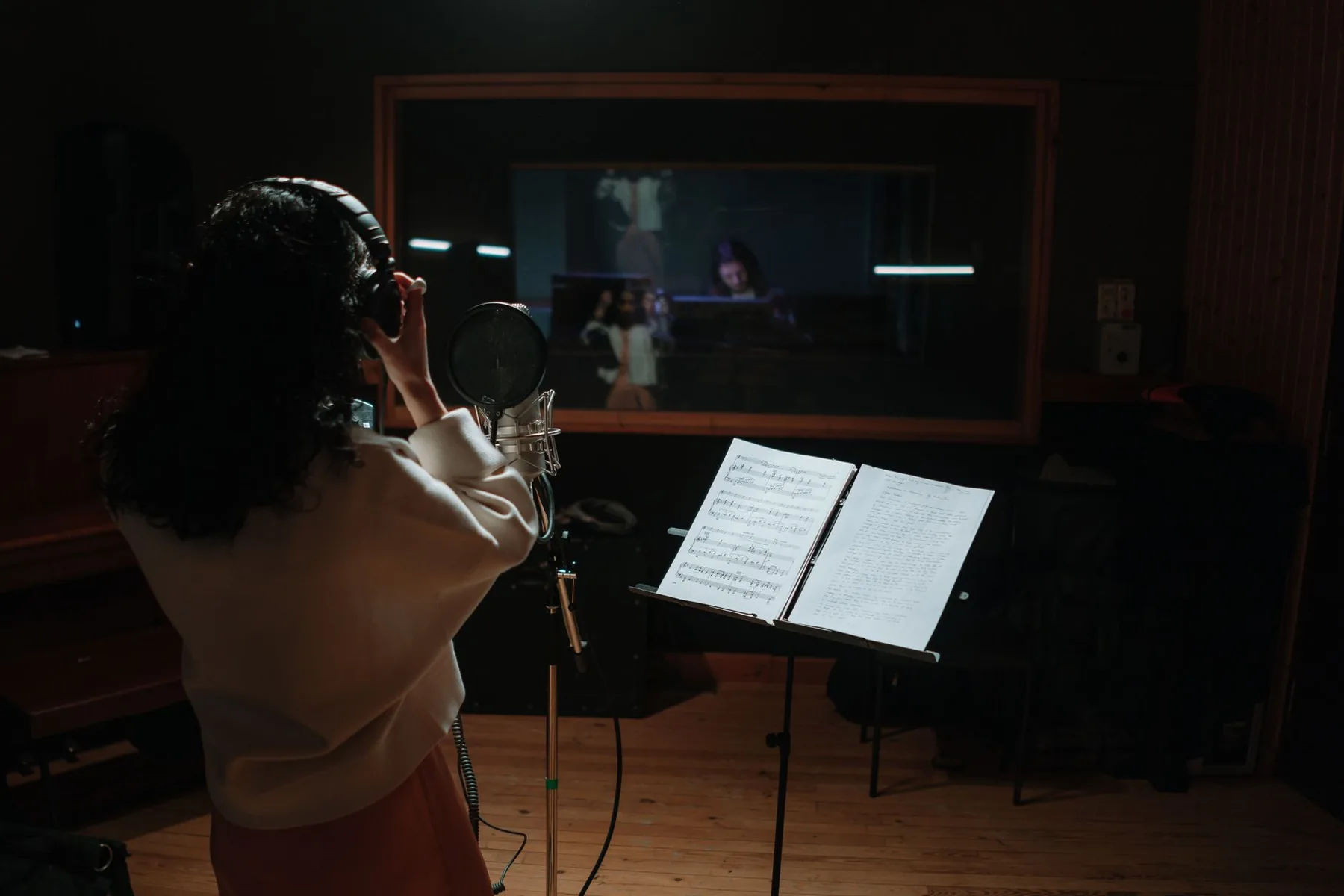
The eclectic program combined works by Verdi and Puccini. Transpositions were used to adapt the high passages, a bold but necessary decision. The selected arias included “Casta Diva”, “Vissi d’arte”, and “Addio del passato”, all signature pieces from her repertoire.
Rehearsals and artistic choices
Rehearsals were marked by unexpected challenges. Difficulty memorizing the words made prompters necessary, an unusual solution for an artist of her stature. Despite these obstacles, every detail was refined to ensure a memorable performance.
The time devoted to preparation was a crucial investment. Although controversial, the artistic choices reflected a desire to renew her approach while respecting her legacy.
Expectations from audiences and critics
The press, divided between hope and skepticism, closely followed the tour. The slogan “The Return of La Divina” had generated enormous anticipation. Critics knew about her vocal and physical challenges, but many hoped she would return to form.
The theater was ready to welcome this legend, but expectations also placed additional pressure on her. Even so, the tour remained an opportunity to redefine her artistic legacy.
| Item | Detail |
|---|---|
| Preparation period | 6 months |
| Vocal coach | Ivor Newton |
| Selected arias | “Casta Diva,” “Vissi d’arte,” “Addio del passato” |
How the tour unfolded
The 1974 tour was a mixture of triumphs and unexpected challenges. Of the 40 scheduled dates, only 27 went ahead, reflecting the obstacles encountered. The period featured moments of grace on stage, but also cancellations and technical difficulties.
Memorable performances
The New York and Tokyo concerts attracted particular attention. In New York, critics praised the performance’s emotional power, while in Tokyo, they highlighted her artistic subtlety. The final recital in Sapporo, before an audience of 3,000, was a historic occasion.
Despite the challenges, these performances revealed an artist determined to give her very best. Every appearance on stage demonstrated her commitment to art.
Cancellations and difficulties
On May 25, 1974, a vocal incident in Paris led to the cancellation of a concert. It was one of many obstacles she encountered. In Seoul, a faulty sound system disrupted the performance, complicating matters further.
A technician described her anxiety attacks before concerts, revealing the immense pressure she felt. These difficulties exposed the physical and emotional limits she faced during the tour.
| Item | Detail |
|---|---|
| Scheduled dates | 40 |
| Concerts performed | 27 |
| Vocal incident | May 25, 1974, Paris |
| Financial results | $1.2 million |
Despite the cancellations, the tour generated $1.2 million in revenue, demonstrating its success in spite of the difficulties. The period remains a complex but fascinating chapter in the history of opera.
The final performance: a historic moment
One evening in November 1974, a legend gave her final performance before an emotional audience. The Hokkaido Koseinenkin Hall in Sapporo witnessed this unique event. The program, changed at the last minute, added an element of improvisation to this memorable evening.
Wearing a red Valentino dress, the artist captivated the audience from the moment she entered the stage. In his journal, Robert Sutherland described the moment in these words: “Her voice trembled like a dead leaf, but it carried unparalleled emotion.”
The venue and date of the final performance
The iconic Hokkaido Koseinenkin Hall hosted this historic performance. On November 11, 1974, a crowd of 3,000 attended the recital that marked the end of an era.
Reactions from the audience and critics
Reactions were mixed. The audience, moved to tears, rose to give her a 15-minute ovation. Experts, however, maintained an uncomfortable silence, noting the technical differences from her 1964 EMI recording.
- The emotional power touched people’s hearts.
- Critics highlighted her vocal limitations.
“A majestic sunset.” – Tokyo Shimbun
The performance is remembered as the poignant farewell of an opera legend.
The tour’s impact on Callas’s career
The 1974 tour left an indelible mark on the artistic and personal life of this icon. It represented a decisive turning point, exposing unexpected challenges and having lasting consequences for her voice and health. The period also redefined her legacy, leaving a profound mark on the history of opera.
The consequences for her voice and health
Dr. Mario Marafioti’s diagnosis revealed irreversible damage to her vocal cords. Nodules and hemorrhaging of the vocal folds were identified, demonstrating the devastating effects this period had on her voice. These problems affected her ability to sing and marked an inevitable decline.
In 1975, during the Juilliard masterclasses, the limitations of her voice were evident. Montserrat Caballé said: “She showed us how to fall with grace.” These words summarize the emotional and artistic impact of this difficult period.
The repercussions for her artistic legacy
Despite the challenges, the tour strengthened her status as a legend. Record sales increased by 300%, reflecting heightened interest in her work. The myth of “the broken voice” was born, becoming a symbol of resilience in popular culture.
This career, marked by highs and lows, remains a source of inspiration for future generations. Recordings from this period continue to be studied, offering valuable lessons about art and perseverance.
Maria Callas’s iconic roles
During her career, certain roles made opera history. Performed with rare intensity, these characters redefined the standards of operatic art. Among them, Norma, Lucia di Lammermoor, and Tosca stand out for their lasting impact.
Norma: a signature role
She performed the role of Norma 89 times, making it a cornerstone of her career. The aria “Casta Diva”, with its soprano sfogato technique, made a lasting impression. A comparison of the 1952 and 1965 versions reveals a fascinating vocal evolution.
In 1955, the recording with Karajan became a benchmark. The role demonstrated her ability to combine emotional power with technical mastery.
Lucia di Lammermoor and Tosca: memorable interpretations
For Lucia di Lammermoor, she rapidly lost weight, transforming her appearance to embody the character. Her interpretation of the role, which she performed 46 times, was praised for its subtlety and precision.
According to one anecdote, during a performance of Tosca, her dress tore during a violent scene, adding a touch of realism to the performance. The role, which she performed 42 times, made its mark on stages through its dramatic intensity.
- Comparative analysis of the 1952 and 1965 interpretations.
- Soprano sfogato technique in “Casta Diva”.
- Physical preparation for Lucia di Lammermoor.
- The anecdote about the torn dress in Tosca.
“She was inventing cinematic opera.” – Zeffirelli
Carried by a unique voice, these roles continue to inspire opera lovers and artists around the world.
The relationship between Maria Callas and Onassis
The relationship between Maria Callas and Aristotle Onassis marked a turning point in her personal and professional life. Their meeting in 1959 began an affair that profoundly influenced her career and well-being. This passionate yet tumultuous love story left indelible scars on her life.
Onassis’s influence on her career
Onassis played a key role in the artistic decisions of this exceptional woman. In 1965, their relationship led to the cancellation of major contracts, particularly at the Metropolitan Opera. This period was marked by difficult choices influenced by their life together.
The purchase of the island of Skorpios in 1963 symbolized their union, but also their growing tensions. Previously unpublished letters released in 2000 reveal moments of closeness as well as conflict. These documents offer an intimate glimpse into their complex relationship.
The consequences of their separation
Their separation in 1968 had profound repercussions on her life. The forced abortion in 1966, a tragic event, left lasting emotional scars. Accounts from household staff describe a period of severe depression after the breakup.
The jewelry Onassis gave her, including a ruby necklace valued at $2 million, bears witness to their history. These gifts, however, were not enough to fill the void left by their separation. This period marked the decline of her career and the deterioration of her well-being.
| Event | Date | Impact |
|---|---|---|
| Meeting | 1959 | Beginning of their relationship |
| Purchase of Skorpios | 1963 | Symbol of their union |
| Forced abortion | 1966 | Emotional scars |
| Separation | 1968 | Personal and professional decline |
“She sacrificed her career for a love that ultimately destroyed her.” – Arianna Stassinopoulos
Although it included moments of happiness, this relationship had lasting consequences for her life and career. It remains a poignant chapter in the story of this exceptional woman.
Maria Callas’s personal life
After her final tour, a new phase of her life began, marked by reflection and conversations with those closest to her. Settling into her apartment at 36 Avenue Georges-Mandel in Paris, she found a refuge away from the spotlight. This period was both peaceful and introspective.

Challenges and moments of loneliness
She often faced loneliness, a constant challenge during this new stage of her life. Bruna Lupoli, her housekeeper and confidante, played a key role in helping her through these difficult moments. In an unexpected way, she found comfort in small everyday routines.
Her correspondence with Luchino Visconti, revealed in 2015, portrays a woman searching for meaning and human connection. These letters bear witness to both her vulnerability and her inner strength.
Friendships and artistic collaborations
Her friendships were deep and meant a great deal to her. Pier Paolo Pasolini, with whom she shared an artistic and personal relationship, was an important figure in her life. Their collaboration marked a creative and inspiring period.
Passionate about traditional Greek cuisine, she enjoyed preparing dishes for those close to her. Her private collection of 1,542 meticulously cataloged vinyl records reflected her love of music and her artistic heritage.
The end of her career and retirement
After decades of success, a pivotal period marked the end of a legendary career. It was characterized by difficult decisions and unfinished projects, revealing the challenges faced by an artist at the height of her craft.
Why she withdrew from the stage
In 1962, she declined the role of *Lulu* in Berg’s opera, a choice that marked a turning point in her journey. This refusal was followed by the abandonment of a film with Jean Cocteau, a project that might have redefined her legacy. These decisions reflected growing exhaustion and a desire to protect herself.
In 1971, the contract for *Carmen* in Dallas remained unsigned despite intensive negotiations. Her lawyer described the contractual disputes that hindered her work. A handwritten letter to Dr. Lantzounis reveals her physical and emotional exhaustion, explaining her gradual withdrawal.
Abandoned projects and regrets
The musical biography project with Leonard Bernstein, though exciting, never came to fruition. This unfinished project remains one of the great regrets of her career. Her stage costumes, donated to the Museo Teatrale alla Scala, symbolize the end of an artistic era.
“She sacrificed her art to preserve her health.” – Testimony from her lawyer
These abandoned projects and difficult choices marked the end of an extraordinary career, leaving a legacy that is both glorious and poignant.
Maria Callas’s legacy
The restored recordings of this legend offer a new perspective on her art. With more than 120 hours of audio recordings remastered by Warner, her legacy continues to captivate opera lovers around the world. These recordings reveal vocal and emotional nuances that had previously been inaudible.
The Paris archives, containing more than 15,000 documents, provide a fascinating glimpse into this period. From personal letters to annotated scores, these archives attest to her devotion to art and her lasting influence on classical music.
Her influence on later generations
Artists such as Cecilia Bartoli and Joyce DiDonato have often cited this legend as a major source of inspiration. Characterized by dramatic intensity and technical mastery, her interpretations redefined the standards of opera.
The Juilliard masterclasses, analyzed by Dominique Meyer, show how she passed her knowledge on to young talent. Recorded and preserved, these sessions are now valuable resources for music students.
Recordings and archives
The “Callas Remastered” reissue was praised for its exceptional sound quality. Using advanced technology, the original recordings were cleaned and enhanced, providing an immersive listening experience.
A virtual-reality project entitled “Callas in Concert” allows audiences to relive her iconic performances. This innovative initiative brings her legacy back to life and makes it accessible to new generations.
“Our absolute compass.” – Angela Gheorghiu
| Item | Detail |
|---|---|
| Restored recordings | 120 hours by Warner |
| Archival documents | 15,000 in Paris |
| VR project | “Callas in Concert” |
Maria Callas’s final years
In the final years of her life, the legendary artist experienced a period of profound introspection. Living in her Paris apartment, she sought to regain a balance between health and creativity. This period was marked by personal challenges and moments of intense reflection.
Loneliness and health problems
Loneliness became a constant companion during this phase of her life. Her physician, Dr. Îordanis, described her daily routine as alternating between personal care and quiet moments. Health problems persisted, however, including neuromuscular degeneration discovered during the autopsy.
Her private journal, kept between 1975 and 1977, bears witness to her inner struggles. In it, she recorded her thoughts on life, art, and the physical challenges she faced. These writings provide an intimate glimpse into this difficult period.
Moments of reflection and creativity
Despite these challenges, she found comfort in creative projects. Her personal library of 320 annotated books reflected her love of literature and music. She also developed a late passion for watercolor painting, exploring a new form of artistic expression.
An abandoned memoir project with Jacqueline Kennedy demonstrated her desire to share her story. Her last public outing, to the Grimaldi Museum in April 1977, was a symbolic moment at the end of a life filled with art and passion.
| Item | Detail |
|---|---|
| Daily routine | Described by Dr. Îordanis |
| Memoir project | Abandoned project with Jacqueline Kennedy |
| Personal library | 320 annotated books |
| Artistic passion | Watercolor painting |
| Last public outing | Grimaldi Museum, April 1977 |
“Loneliness can be a difficult companion, but it also offers moments of clarity.” – Excerpt from her private journal
The death of Maria Callas
On September 16, 1977, an opera legend passed away, leaving behind an unforgettable legacy. Her death in her Paris apartment marked the end of a life filled with passion and challenges. The circumstances surrounding her death prompted numerous questions and controversies.
The circumstances of her death
The icon’s final hours were marked by profound loneliness. Although the official cause of her death was a heart attack, rumors circulated about possible contributing factors, including her fragile health and the emotional consequences of her tumultuous career.
An in-depth examination of the medical archives revealed details of her health problems, including neuromuscular degeneration. These findings fueled debate over the true causes of her death.
Tributes and commemorations
More than 5,000 people attended the cremation ceremony at Père-Lachaise Cemetery, demonstrating her impact on the world of opera. Her ashes were subsequently scattered over the Aegean Sea, in accordance with her final wishes.
The Maria Callas International Music Competition was created in her honor, providing a platform for young operatic talent. The competition continues to perpetuate her legacy and her love of art.
| Event | Date | Detail |
|---|---|---|
| Death | September 16, 1977 | Heart attack |
| Cremation | September 1977 | Père-Lachaise, Paris |
| Scattering of ashes | September 1977 | Aegean Sea |
| Competition founded | 1978 | Maria Callas International Music Competition |
“She left an indelible mark on the history of opera.” – Music critic
Conclusion: Maria Callas, a timeless icon
This opera icon, whose voice defined generations, continues to inspire through her timeless legacy. Her influence extends beyond the stage to film and fashion, where her interpretations remain benchmarks.
In 2023, the €180,000 sale of her Medea dress served as a reminder of her cultural impact. With more than 500,000 albums sold each year, her legend remains alive. Plácido Domingo called her the “Everest” of opera, a tribute to her artistic greatness.
Preserving this legacy for future generations is essential. Her contribution to this period and beyond bears witness to a career that transcends time.