
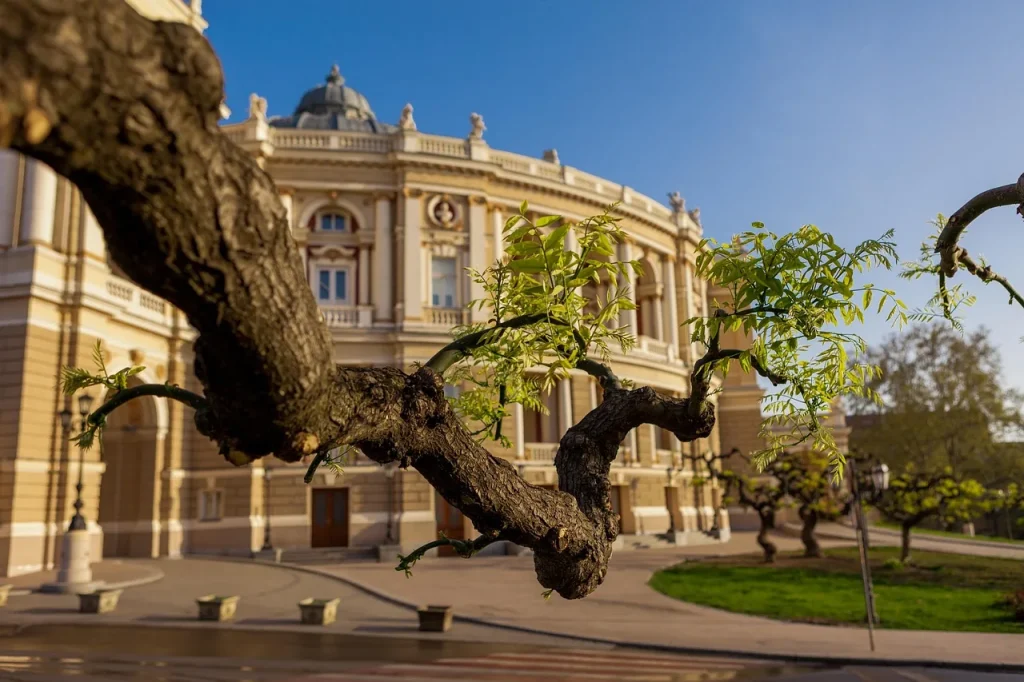
An emblematic figure of 20th-century opera, Maria Callas left an indelible mark on the operatic arts through her exceptional talent and unrivalled stage presence. Born in New York in 1923, she conquered the world’s greatest stages, from La Scala in Milan to the Paris Opera, becoming a true diva.
Her brilliant career, marked by memorable performances in Tosca and Norma, contrasts with an often tumultuous personal life. Documentaries, such as the one broadcast by France TV in 2014, trace her journey through the places that shaped her story, offering an intimate portrait of this legend.
Through these accounts, discover the paradoxes of an artist who captivated the world while confronting her own demons. A fascinating immersion in the world of an icon whose legacy continues to inspire.
Introducing Maria Callas: an opera icon
The childhood of this legendary opera singer was marked by a complex relationship with her mother. From her earliest years, she was shaped by her family’s boundless ambition. Her mother saw her as a “golden goose” and managed her career with a degree of strictness that was sometimes abusive.
To conquer Europe’s stages, she underwent a radical physical and vocal transformation. This metamorphosis was instrumental in establishing her iconic status. Her artistic destiny was sealed when she entered the Athens Conservatoire in 1937, where she refined her craft.
Her relationship with her mentor, Elvira de Hidalgo, played a key role in her rise to prominence. Their work together enabled the young artist to develop an exceptional vocal technique. Later, her personal life was marked by a turbulent relationship with Onassis, explored in Michelle Marly’s “Maria Callas et la voix du cœur.”
Biographies such as Meyer-Stabley’s “La véritable Maria Callas” offer an in-depth look at her journey. These accounts reveal the paradoxes of an artist who captivated the world while confronting her own demons.
Maria Callas: essential documentaries to watch
Step into the captivating world of one of the 20th century’s greatest voices. These documentaries offer an intimate look at the life and art of a timeless icon, revealing lesser-known aspects of her career and personality.
Maria by Callas (2017)
This autobiographical documentary, directed by Tom Volf, uses personal archives to tell her story. Fanny Ardant’s voice lends an emotional quality to these previously unseen accounts. Extracts from correspondence and rare performances offer a unique glimpse into her life.
Maria Callas Sings Tosca (1964)
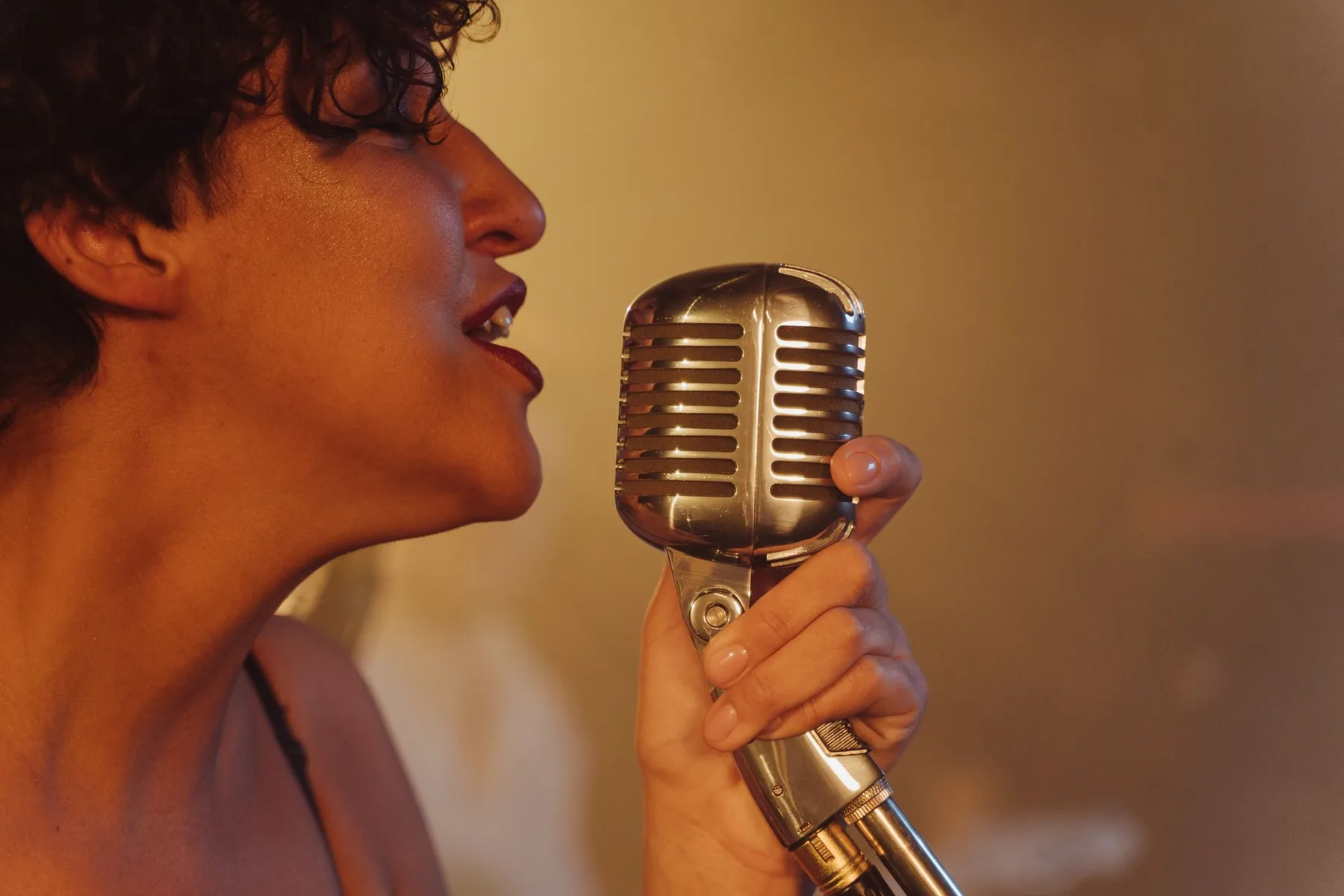
A historic recording of the second act of Tosca at Covent Garden, this film showcases her legendary interpretation of the role. Filming techniques that were innovative for their time captured the full intensity of her presence on stage. Opera critics hail this performance as one of the most memorable of her career.
Great Rivals in Music – Callas vs Tebaldi
This documentary by Holger Preusse explores the rivalry between two great artists. On one side stands Callas and her dramatic approach; on the other, Tebaldi and her vocal perfection. The accounts of contemporaries and experts shed fascinating light on this artistic rivalry.
Finally, the recent documentary Mairi, Marianna, Maria (2023) features previously unseen footage shot in Greece, further enriching our understanding of this legendary figure.
Maria Callas’s legacy in opera
Maria Callas’s legacy continues to resonate throughout the world of opera. Her revolutionary approach redefined the standards of classical music, leaving an indelible mark on opera history.
Her impact on bel canto
Maria Callas played a key role in the rediscovery of forgotten operas by Donizetti and Bellini. Her vocal technique, particularly well suited to the bel canto repertoire, marked a turning point in the interpretation of these works.
- An analysis of her revolutionary technique, which influenced generations of singers.
- Reflections from René Pape and Joyce DiDonato on her technical legacy.
- Her lasting impact on stage direction, notably through her collaboration with Visconti.
Her influence on contemporary singers
Her legacy continues to inspire contemporary singers. Sopranos such as Sondra Radvanovsky cite her work as a major influence. Her 1971 masterclass at Juilliard has become an essential teaching reference.
The evolution of dramatic performance standards after her career bears witness to her influence. Her final recording, La forza del destino in 1977, remains a landmark in the context of modern opera.
To learn more about her legacy, read this in-depth article.
Conclusion: Maria Callas, a timeless legend
Maria Callas is an icon whose influence transcends generations and has forever shaped the history of operatic art. Her legacy continues to resonate around the world, inspiring generations of artists and enthusiasts.
Recent archival discoveries, including those screened through 2023, have rekindled her legend. Available on France TV until 16 December 2023, they offered a fresh perspective on her life and work. Celebrations marking the centenary of her birth, with tributes at the Palais Garnier and on France 5, attest to the enduring power of her legacy.
Her image extends far beyond the theatre, influencing fashion, cinema and popular culture. To appreciate the full complexity of this legend, explore the recommended documentaries.
As Robert Carsen put it: “She embodies the eternal dialogue between human vulnerability and artistic perfection.” A force that continues to captivate, even after so much time.