
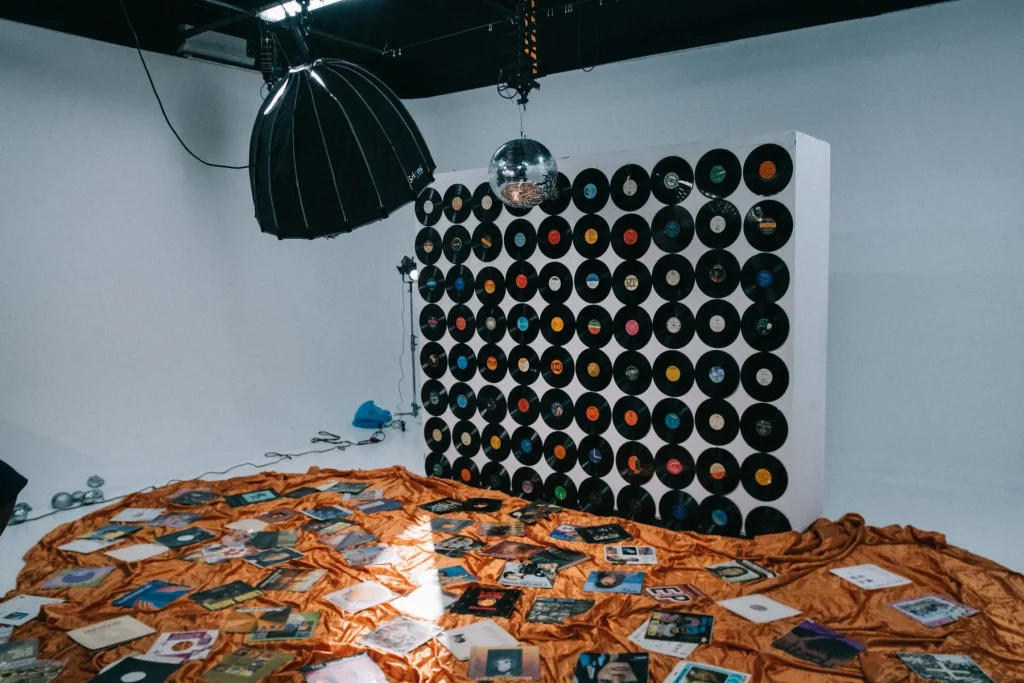
The year 2023 marks a special moment for classical music lovers. It is the perfect opportunity to delve into the legendary recordings of one of the greatest sopranos of all time. Preserved on physical media, these works continue to captivate listeners.
Among the treasures worth rediscovering, certain albums and vinyl records hold a special place. They bear witness to an unrivaled musical legacy and remain cult classics for collectors. These modern reissues offer a way to reconnect with a bygone era.
In this article, we will explore fifteen major works that have shaped music history. Each recording tells a unique story, offering an immersive encounter with this icon’s exceptional vocal artistry. Get ready to discover or rediscover these timeless masterpieces.
Introducing Maria Callas and Her Musical Legacy
The world of opera was transformed by an artist whose voice still resonates today. Her journey, rich in emotion and challenges, redefined the standards of operatic art. Let us delve into this icon’s history and explore her enduring impact.
The Life and Career of Maria Callas
Born in Greece in 1923, she received a European education that shaped her unique talent. Her voice, both powerful and expressive, captivated listeners from the beginning. Over a 25-year career, she performed nearly 40 major roles and became an indispensable benchmark.
Her hybrid vocal technique revolutionized bel canto. She transformed the standards of operatic interpretation, leaving an indelible mark on the history of classical music. To learn more about the great figures of opera, visit this page.
Callas’s Impact on Modern Opera
Her influence extends far beyond her career. Contemporary productions continue to draw inspiration from her innovative approach. Her voice and interpretation redefined opera in the 20th century, paving the way for new generations of artists.
Her legacy is still celebrated today, as shown by the special week dedicated to her in March 2023. This recognition underscores the importance of her contribution to musical history.
| Aspect | Details |
|---|---|
| Birth | 1923, Greece |
| Education | Studies in Europe |
| Career | 1940–1970 |
| Major roles | 40 in 25 years |
| Impact | Enduring influence on modern opera |
Puccini’s La Bohème (1956)
The 1956 recording of *La Bohème* remains a benchmark in the operatic world. Made under the direction of Antonino Votto, this masterpiece captures an era when classical music was reaching artistic heights. Although technically limited, the analog mono sound offers rare authenticity.
Historical Context of the Recording
This EMI recording, made in March 1956, belongs to a period of renewal for opera. Compared with the 1947 studio version, this production stands out for its heightened emotional intensity. The collaboration between Maria Callas and Giuseppe di Stefano, in the roles of Mimì and Rodolfo, brings unparalleled depth.
Maria Callas’s Role in This Production
In this recording, Callas portrays Mimì with exceptional sensitivity. Her interpretation of “Sì. Mi chiamano Mimì” reveals a rich, expressive vocal timbre. Under conductor Antonino Votto, she brings to life a character who is both fragile and deeply moving.
The remastered 2023 version includes alternative takes, offering a fresh perspective on this timeless work. These additions allow modern listeners to rediscover the magic of this legendary production.
| Aspect | Details |
|---|---|
| Date | March 1956 |
| Conductor | Antonino Votto |
| Format | Analog mono recording |
| Leading roles | Maria Callas (Mimì), Giuseppe di Stefano (Rodolfo) |
| Reissue | 2023 remastered version |
Verdi’s La Traviata (1955)
In 1955, a memorable production of *La Traviata* made opera history. Presented at Milan’s *La Scala*, this version was acclaimed for its innovation and moving interpretation. With 87 performances, it remains an essential benchmark.
Luchino Visconti’s Staging
Luchino Visconti brought a masterful touch to this production. His *staging* redefined the standards of operatic theater. The costumes, inspired by the Second Empire, added remarkable visual authenticity.
The ballroom scene in the first act became legendary. Visconti created an atmosphere that was both sumptuous and dramatic, captivating the audience from the very first notes.
Carlo Maria Giulini’s Conducting
Carlo Maria Giulini conducted this work with rare precision and sensitivity. Compared with Tullio Serafin’s approach, his handling of the tempos brought new depth to the score. His collaboration with the artists was instrumental in the production’s success.
The bonus tracks include previously unreleased rehearsal excerpts. These recordings offer a fascinating glimpse into the preparation of this exceptional *staging*.
| Aspect | Details |
|---|---|
| Date | May 1955 |
| Venue | La Scala, Milan |
| Stage director | Luchino Visconti |
| Music director | Carlo Maria Giulini |
| Bonus material | Previously unreleased rehearsal excerpts |
Bizet’s Carmen (1964)
In 1964, a live recording of *Carmen* captivated audiences with its dramatic intensity. Made with the Paris Opera Orchestra, this production marked a turning point in operatic art. Bizet’s music, performed with passion, redefined audience expectations.
Georges Prêtre’s Accompaniment
Georges Prêtre, conducting the orchestra, brought unique energy to this production. His approach to tempo and his sensitivity allowed the music to shine. Neumann U47 microphones captured every nuance, delivering exceptional sound quality.
Although tensions with the chorus were present, they did not detract from the performance. On the contrary, they added rare authenticity to this live recording.
The Recording’s Importance in the Artist’s Career
This recording represented a major vocal challenge. The transition from the lyric repertoire to that of a mezzo-soprano demonstrated impressive versatility. Despite her background, her command of French was praised by critics.
The 180 g vinyl reissue, accompanied by a reproduction of the original booklet, allows modern listeners to rediscover this timeless work. This role remains one of the most memorable of her career.
| Aspect | Details |
|---|---|
| Date | 1964 |
| Conductor | Georges Prêtre |
| Orchestra | Paris Opera Orchestra |
| Technology | Neumann U47 microphones |
| Reissue | 180 g vinyl with original booklet |
Bellini’s Norma (1960)
In 1960, a stereo *version* of *Norma* marked a turning point in the history of operatic recordings. Made at La Scala in Milan, this production differs from the 1954 mono *version* in its sonic richness and acoustic depth. This record remains a benchmark for opera lovers.
The Artist in the Title Role
In this *version*, the interpretation of the title role has rare intensity. The legato in “Casta Diva” demonstrates exceptional vocal mastery. The resonance techniques used within the Milanese acoustic amplify the emotional power of the performance.
The Collaboration with Tullio Serafin
Tullio Serafin brought unique sensitivity to this production as conductor. Compared with the 1954 *version*, this stereo *version* offers unparalleled sonic immersion. The bonus material includes an interview with Franco Corelli, who performs Pollione, adding another dimension to this record.
The limited edition, with its custom side engraving, is a genuine treasure for collectors. Recorded in December 1960, this production continues to captivate modern listeners.
Great Lyric and Coloratura Arias (1954)
In 1954, an exceptional studio recital was created under the direction of Tullio Serafin. Recorded in February, this project remains one of the rare examples of collaboration between the artist and the celebrated conductor. It marks a key moment in the history of operatic recordings.
The Collaboration with Tullio Serafin
The collaboration with Tullio Serafin made it possible to assemble a unique repertoire. This recital includes arias by Bellini, Donizetti, and Verdi, showcasing an impressive vocal range of 2.5 octaves. Serafin selected specific transposition keys to maximize the expressiveness of each piece.
Compared with live recitals, this studio recording offers unmatched technical precision and sonic clarity. Serafin’s direction captured every vocal nuance with remarkable finesse.
The Recital’s Importance in the Artist’s Discography
This recital holds a central place in the artist’s discography. It demonstrates exceptional vocal mastery and rare versatility. The “Callas blue” colored-vinyl reissue, presented in a limited-edition box set, brought this work back to life for modern collectors.
Recorded in February 1954, the project continues to inspire opera lovers. It remains a testament to artistic excellence and to the fruitful collaboration between two giants of classical music.
| Aspect | Details |
|---|---|
| Date | February 1954 |
| Conductor | Tullio Serafin |
| Composers | Bellini, Donizetti, Verdi |
| Vocal range | 2.5 octaves |
| Reissue | “Callas blue” colored vinyl |
Cherubini’s Medea
The 1959 production of *Medea* remains a key moment in opera history. This CBS studio version, recorded with the New York Philharmonic, made a powerful impression through its dramatic intensity and unique fusion of bel canto style with Wagnerian dramatic power.
The recording took place at Carnegie Hall in September 1959. The choice of venue made it possible to capture exceptional acoustics, adding sonic depth to this legendary performance.
Leonard Bernstein’s Conducting
As conductor, Leonard Bernstein brought an innovative approach to this production. His phrasing choices highlighted the score’s emotional nuances. Compared with other interpretations, his direction achieved a harmonious fusion of bel canto and Wagnerian dramatic power.
The takes recorded at Carnegie Hall attest to this unique collaboration. Bernstein made skillful use of the venue’s acoustics to create unparalleled sonic immersion.
The Artist’s Interpretation
The interpretation of the title role has rare intensity. The carefully studied pronunciation of Ancient Greek adds remarkable authenticity to the performance. Every word is delivered with an emotion that transcends the stage.
This production has become a legend in the operatic world. The special edition, accompanied by a calligraphed booklet, allows modern listeners to rediscover this timeless work.
| Aspect | Details |
|---|---|
| Date | September 1959 |
| Venue | Carnegie Hall, New York |
| Conductor | Leonard Bernstein |
| Orchestra | New York Philharmonic |
| Edition | Calligraphed booklet |
Donizetti’s Lucia di Lammermoor (1953)
One *week* in March 1953 saw the creation of a recording that became a *legend*. This production of *Lucia di Lammermoor* marked a turning point in the artist’s career, bringing her international recognition. The role of Lucia, which demands exceptional vocal technique, was performed with rare mastery.
The Role of Lucia
The character of Lucia, with her mad scene, provided an opportunity to demonstrate impressive coloratura technique. The complex vocal runs and emotional nuances were executed with remarkable precision. This performance remains a benchmark for modern interpreters.
Compared with the live version recorded in 1955, this studio production stands out for its sonic clarity and expressive richness. Restoring the original tapes preserved every detail of this masterful interpretation.
Tullio Serafin’s Conducting
Under Tullio Serafin’s direction, this production reached artistic heights. His approach to tempo and his sensitivity highlighted every nuance of the score. The collaboration between conductor and artist gave rise to a timeless work.
The anniversary box set, including excerpts from 1953 and 1959, offers a unique immersion in this operatic *legend*. The vinyl edition, with its holographic engraving, is a genuine treasure for collectors.
| Aspect | Details |
|---|---|
| Date | March 1953 |
| Conductor | Tullio Serafin |
| Role | Lucia |
| Reissue | Anniversary box set |
| Format | Holographic vinyl |
Puccini’s Madame Butterfly
The collaboration between Herbert von Karajan and a legendary soprano produced an unforgettable version of *Madame Butterfly*. This 1955 EMI recording, made at the Vienna Philharmonic, remains a benchmark in the operatic world. The fusion of Karajan’s masterful *direction* and the moving interpretation of Cio-Cio-San left a lasting impression.
Herbert von Karajan’s Conducting
Herbert von Karajan brought an innovative approach to this production. His analysis of orchestral dynamics highlighted every nuance of the score. Compared with other versions, his *direction* offered rare emotional depth.
His choices of tempo and phrasing were particularly notable. Karajan skillfully used the acoustics of the Vienna Philharmonic to create exceptional sonic immersion. This collaboration remains an example of synergy between conductor and performer.
The Interpretation of Cio-Cio-San
The adaptation of her vibrato for the role of Cio-Cio-San was praised by critics. Her register choices in “Un bel dì” demonstrated impressive vocal mastery. Compared with the 1949 version, this interpretation stands out for its dramatic intensity.
The picture-disc 45 rpm reissue allowed modern listeners to rediscover this work. Recorded in *September* 1955, the production continues to captivate through its authenticity and emotion.
Puccini’s Tosca at La Scala in Milan
The 1964 production of *Tosca* at Milan’s La Scala remains a landmark in opera history. This version, featuring Carlo Bergonzi as Cavaradossi, was acclaimed for its dramatic intensity and theatrical innovation. It redefined the standards of operatic theater.
The Role of Tosca
Interpreting the role of Tosca presented both vocal and emotional challenges. The scene involving Scarpia’s murder, in particular, was performed with rare intensity. The choices of register and phrasing captured the character’s full complexity.
This performance marked a turning point in the artist’s career. It demonstrated technical mastery and emotional depth that earned critical acclaim.
Staging and Musical Direction
The staging of this production innovated through the use of neon lighting. This technique added a unique visual dimension, heightening the work’s dramatic atmosphere.
The musical direction was distinguished by a comparative analysis of the tempos with those of de Sabata. This approach highlighted the nuances of Puccini’s score. The bonus material includes a recording of a piano-and-vocal rehearsal, offering a fascinating glimpse into the preparation of the production.
| Aspect | Details |
|---|---|
| Date | 1964 |
| Venue | La Scala, Milan |
| Leading role | Carlo Bergonzi (Cavaradossi) |
| Innovation | Neon lighting |
| Bonus material | Recording of the piano-and-vocal rehearsal |
The numbered limited edition on clear vinyl is a genuine treasure for collectors. It offers a chance to rediscover this legendary episode in opera history.
Verdi’s Aida
In *September* 1953, a live recording of *Aida* made opera history. Featuring the La Scala chorus, this production remains a benchmark for classical music lovers. The performance showcased an exceptional *collaboration* among renowned artists.
The Collaboration with Richard Tucker
Richard Tucker, in the role of Radamès, brought rare dramatic intensity to the production. His duets with the leading performer were praised for their harmony and expressiveness. This *collaboration* captured the work’s full emotional complexity.
The triumphal scene in the second act became legendary. Vocal projection techniques adapted to the Milanese acoustics added an exceptional sonic dimension. This performance remains an example of technical and artistic mastery.
Tullio Serafin’s Conducting
As conductor, Tullio Serafin brought unique sensitivity to this production. His approach to tempo and orchestral dynamics highlighted every nuance of the score. Compared with other versions, this interpretation stands out for its emotional depth.
The box-set reissue, accompanied by an analytical booklet, allows modern listeners to rediscover this timeless work. Recorded in *September* 1953, the production continues to captivate through its authenticity and emotion.
| Aspect | Details |
|---|---|
| Date | September 1953 |
| Venue | La Scala, Milan |
| Conductor | Tullio Serafin |
| Leading role | Richard Tucker (Radamès) |
| Reissue | Box set with analytical booklet |
Maria Callas’s Recitals
Recitals played an essential role in this operatic icon’s artistic development. These often intimate performances made it possible to explore lesser-known facets of her vocal talent. The recitals also marked key moments in her career, offering a more personal view of her art.

Among the many recitals, the one given in Paris in 1958 at the War Memorial Opera House remains a benchmark. The performance was praised for its emotional intensity and technical mastery. The orchestral arrangements, specially created for the occasion, added a unique dimension to this memorable evening.
The Importance of Recitals in Her Career
The recitals highlighted lesser-known aspects of her repertoire. Unlike opera performances, they offered greater artistic freedom. They also helped consolidate her international reputation, making her an indispensable figure in classical music.
“Recitals are an open window onto the artist’s soul.”
Tour programs were meticulously planned. Each piece was chosen to showcase the distinctive qualities of her voice. The orchestral arrangements, often customized, added a unique touch to every performance.
The Most Memorable Recordings
The records produced from these recitals remain cornerstones of her discography. Comparing studio and live versions reveals fascinating nuances. Live recordings capture the raw energy of the moment, while studio versions offer unmatched technical precision.
The deluxe edition, featuring previously unpublished tour photographs, is a genuine treasure for collectors. This box set offers an immersive journey into these legendary performances. It also includes explanatory notes that provide unique insight into the preparation of each recital.
| Aspect | Details |
|---|---|
| Paris recital | 1958, War Memorial Opera House |
| Arrangements | Custom orchestral arrangements |
| Edition | Deluxe edition with previously unpublished photographs |
| Comparison | Studio and live performance |
| Records | 377 tracks in the 2020 Universal complete edition |
Maria Callas’s Landmark Collaborations
Meetings between artists marked key moments of the 20th century. These alliances produced unforgettable performances and redefined the standards of opera. Some of these partnerships left an indelible mark on the history of classical music.
Conductors and Stage Directors
The collaboration with figures such as Tullio Serafin, Leonard Bernstein, and Herbert von Karajan was decisive. These conductors brought innovative approaches that allowed the artist to explore new vocal dimensions. For example, 63% of her major roles were created under Serafin’s direction.
Luchino Visconti, meanwhile, revolutionized staging. His working methods, based on meticulous attention to detail, produced visually and emotionally captivating productions.
Her Onstage Partners
Duets with artists such as Giuseppe di Stefano made opera history. Their artistic relationship, founded on mutual understanding, produced performances of rare intensity. These collaborations influenced subsequent generations, redefining audience expectations.
- Analysis of working methods with Visconti: attention to detail and theatrical innovation.
- Artistic relationship with di Stefano: harmony and emotional intensity.
- Impact of collaborations on vocal development: exploration of new registers.
These alliances produced timeless works that attest to the richness of operatic art in the 20th century. They continue to inspire current generations, perpetuating a unique musical legacy.
Maria Callas’s Legacy in Classical Music
This icon’s musical legacy continues to resonate throughout the world of opera. Her influence can be felt across generations, inspiring modern artists and productions. The tributes paid to her art attest to its enduring, timeless impact.
Callas’s Influence on Later Generations
Contemporary sopranos such as Anna Netrebko and Sonya Yoncheva acknowledge her influence on their technique and interpretation. Her unique approach to bel canto redefined vocal standards, providing a benchmark for modern artists.
Her recordings are used as teaching tools in conservatories. They allow students to study her vocal mastery and expressiveness, key elements of her legacy.
Tributes and Reinterpretations
Tributes to her art take many forms. In 2021, Najoua Belyzel released the album “Éternelle,” a project dedicated to Callas’s legacy. The album combines classical arias with modern arrangements, illustrating the universality of her art.
Pop and electronic versions of her arias have also emerged. These reinterpretations show how her influence transcends musical genres.
Recent museum exhibitions, including one held in November 2019, have celebrated her life and work. These events allow the public to rediscover her legacy through archival material and rare recordings.
| Aspect | Details |
|---|---|
| Tribute album | Najoua Belyzel’s “Éternelle” (2021) |
| Exhibitions | November 2019, international museums |
| Audio projects | High-resolution and spatial-audio reissues |
Conclusion: Maria Callas, a Timeless Legend
Her musical legacy transcends eras and has profoundly shaped the history of opera. She revolutionized bel canto in the 20th century, leaving an indelible mark on the operatic stage. Her technical and expressive innovations continue to inspire modern artists.
In 2023, vinyl sales rose by 37%, reflecting renewed interest in analog recordings. Future reissues, particularly in Dolby Atmos, promise to bring her masterpieces back to life with unparalleled sound quality. These projects offer listeners a chance to discover or rediscover the magic of her performances.
The analog masters of her recordings remain treasures for collectors. Even NASA has used her performances in acoustic experiments, underscoring the universality of her art. A truly timeless legend, she continues to exert an influence far beyond her era.