
Born in New York in 1923, Maria Callas became one of the most iconic figures in 20th-century opera. The daughter of Greek immigrants, she grew up in a complex family environment marked by hardship and instability. Her birth in the city that never sleeps was the starting point of an extraordinary destiny.
The early loss of her brother Vassilis profoundly affected her family, leaving lasting emotional scars. Her mother, Evangelia, played a central role in her musical awakening, despite their often strained relationship. Thanks to the family piano and her first singing lessons at public school, her exceptional talent began to emerge.
The family’s many moves during her childhood—nine addresses in eight years—made her daily life even more unstable. In 1937, following her parents’ separation and the family’s financial collapse, she abruptly left the United States for Greece. There, under the name Anna Maria, she began her first advanced musical studies in Athens.
Despite a difficult childhood, Maria Callas transformed her hardships into unrivalled artistic strength. To discover rare images of this legend, explore this collection of photographs documenting her remarkable journey.
A complex childhood and a fractured family
Sophie Cecilia Kalos, born in 1923, entered a family already marked by hardship. Her father, a pharmacist, was ruined by the 1929 crash, plunging the family into financial insecurity and worsening existing tensions. The early death of her brother Vassilis left deep scars that had a lasting influence on her life.
Birth in New York and family tensions
Born in New York, Sophie grew up in an unstable environment. Frequent moves—nine addresses in eight years—intensified the family’s instability. Her mother, Evangelia, played a key role in her musical awakening, but their relationship was often strained. Her rivalry with her sister Jackie, their mother’s favorite, further aggravated the conflict.
Exile in Greece and the discovery of singing
In 1937, the family left the United States for Greece, an exile experienced as a painful uprooting. It was there that Sophie, now known as Anna Maria, discovered her passion for singing. Under Elvira de Hidalgo’s guidance, she devoted five to six hours a day to vocal practice, turning her talent into an escape from hardship.
Her difficult relationships with her mother and sister
Her relationship with her mother was marked by constant conflict. The authoritarian Evangelia favored her sister Jackie, fueling a painful rivalry. During the war, Anna Maria was compelled to perform for the occupying forces, a dark period that left its mark on her life.
Rumors of a secret child: myth or reality?
Rumors of a secret child have long shaped accounts of this legend’s life. Since the 1960s, the press has speculated about the existence of a son born from her relationship with Aristotle Onassis. Although persistent, these allegations remain unverified.

Speculation and unverified testimony
Several controversial accounts have fueled these rumors. People close to her, including Vasso Devetzi and Franco Zeffirelli, referred to “maternal regrets” in her personal correspondence. However, these claims lack tangible evidence.
The lack of concrete evidence and forged documents
Official Greek and Italian records make no mention of a child. Some biographers have even suggested that documents were forged to perpetuate the mystery. This lack of evidence reinforces the doubts surrounding the story.
The impact on the Maria Callas legend
These rumors helped shape the image of a tragic diva. They fueled her myth, turning her life into a story of suffering and sacrifice. The mystery continues to inspire posthumous artistic portrayals.
| Element | Details |
|---|---|
| Rumors | Child born in 1960 who died shortly after birth |
| Allegations | Forced abortion in 1972 |
| Sources | Personal correspondence and controversial testimony |
| Impact | Reinforcement of the tragic myth |
Maria Callas’s marriages: Meneghini and Onassis
The diva’s love life was marked by two memorable unions. These relationships influenced not only her personal life but also her artistic career. Each brought its own challenges and transformations.
The pragmatic union with Giovanni Battista Meneghini
In 1949, she married Giovanni Battista Meneghini, an Italian businessman 28 years her senior. The marriage was as much a professional alliance as a personal commitment. Meneghini played a key role in launching her international career, acting as both her manager and financial backer.
Their relationship evolved over the years, shifting from an artistic partnership to a professional rivalry. Despite their age gap and cultural differences, the union lasted nearly a decade.
The passionate encounter with Aristotle Onassis
In 1959, during a cruise aboard the yacht Christina, she met Aristotle Onassis. Their meeting marked the beginning of a tumultuous affair. Known for his charisma and wealth, Onassis offered her a world of luxury: private jets, sumptuous jewelry and getaways aboard his yacht.
That passion, however, came at a cost. Their highly publicized extramarital affair led to her divorce from Meneghini that same year. The relationship also had a negative effect on her career, resulting in canceled contracts and a profound depression.
The tragic end of her romantic relationships
The affair with Onassis ended dramatically. In 1968, he married Jackie Kennedy, leaving the diva devastated. Onassis’s repeated infidelities had devastating psychological consequences for her.
These romantic ordeals left an indelible mark on her life. Her love letters, which reveal her vulnerability, continue to inspire generations.
The tumultuous relationship with Aristotle Onassis
Their relationship, both passionate and destructive, captivated the entire world. Aristotle Onassis, a shipping magnate, and Maria Callas, an opera diva, formed a highly publicized yet profoundly unstable couple.
An all-consuming and highly publicized passion
Their meeting in 1959 marked the beginning of an intense affair. Known for his charisma and wealth, Onassis offered Callas a world of luxury. Yet this passion was also a trap.
“I could not escape, even if I wanted to.”
These words, drawn from her correspondence, reveal how trapped she felt.
Onassis’s infidelities and Callas’s suffering
Onassis’s infidelities dealt a severe blow to Callas. Despite her fame, she endured periods of profound loneliness. The press magnified these dramas, making her suffering public. Marital crises were frequent, and staff accounts describe violent scenes.
Abandonment and its consequences for her health
In 1968, Onassis married Jackie Kennedy, leaving Callas devastated. This abandonment affected her health. She was hospitalized for emotional exhaustion in 1970. Sleeping pills and antidepressants, prescribed as early as 1963, worsened her physical decline.
| Event | Impact |
|---|---|
| Meeting in 1959 | Beginning of an intense affair |
| Highly publicized infidelities | Profound emotional suffering |
| Abandonment in 1968 | Physical and mental decline |
Maria Callas’s death: mysteries and speculation
On September 16, 1977, the world lost an opera legend under mysterious circumstances. Her death in Paris was officially attributed to a pulmonary embolism. This account, however, did not put an end to the rumors and questions surrounding her death.

The official circumstances and rumors of suicide
According to medical reports, she died at her Paris home. Her last words, as reported by those close to her, were: “I am going to join my Aristotle.” These words fueled speculation about a possible romantic suicide.
A posthumous toxicological analysis reportedly revealed high levels of barbiturates in her system. This strengthened theories of an intentional overdose or medical negligence. The press at the time widely circulated these rumors, comparing her death to those of other stars such as Marilyn Monroe.
The impact of her breakup with Onassis on her mental health
The end of her relationship with Aristotle Onassis in 1968 profoundly affected her mental health. She was hospitalized for emotional exhaustion in 1970 and had been dependent on sleeping pills for several years. This dark period undoubtedly contributed to her physical and psychological decline.
The absence of an autopsy and enduring theories
The absence of an autopsy left room for numerous theories. Some suggest murder, while others point to a hurried cremation intended to conceal evidence. Her ashes, stolen and later returned to Père-Lachaise Cemetery, added another layer of mystery to her story.
| Theory | Details |
|---|---|
| Romantic suicide | Barbiturate overdose |
| Medical negligence | Lack of appropriate care |
| Murder | Rapid cremation without an autopsy |
The meteoric rise of a legendary soprano
From her first appearances on stage, she captivated audiences with an extraordinary voice. Her journey, marked by an early debut and prestigious collaborations, made her an icon of modern opera.
Promising beginnings in Greece and Italy
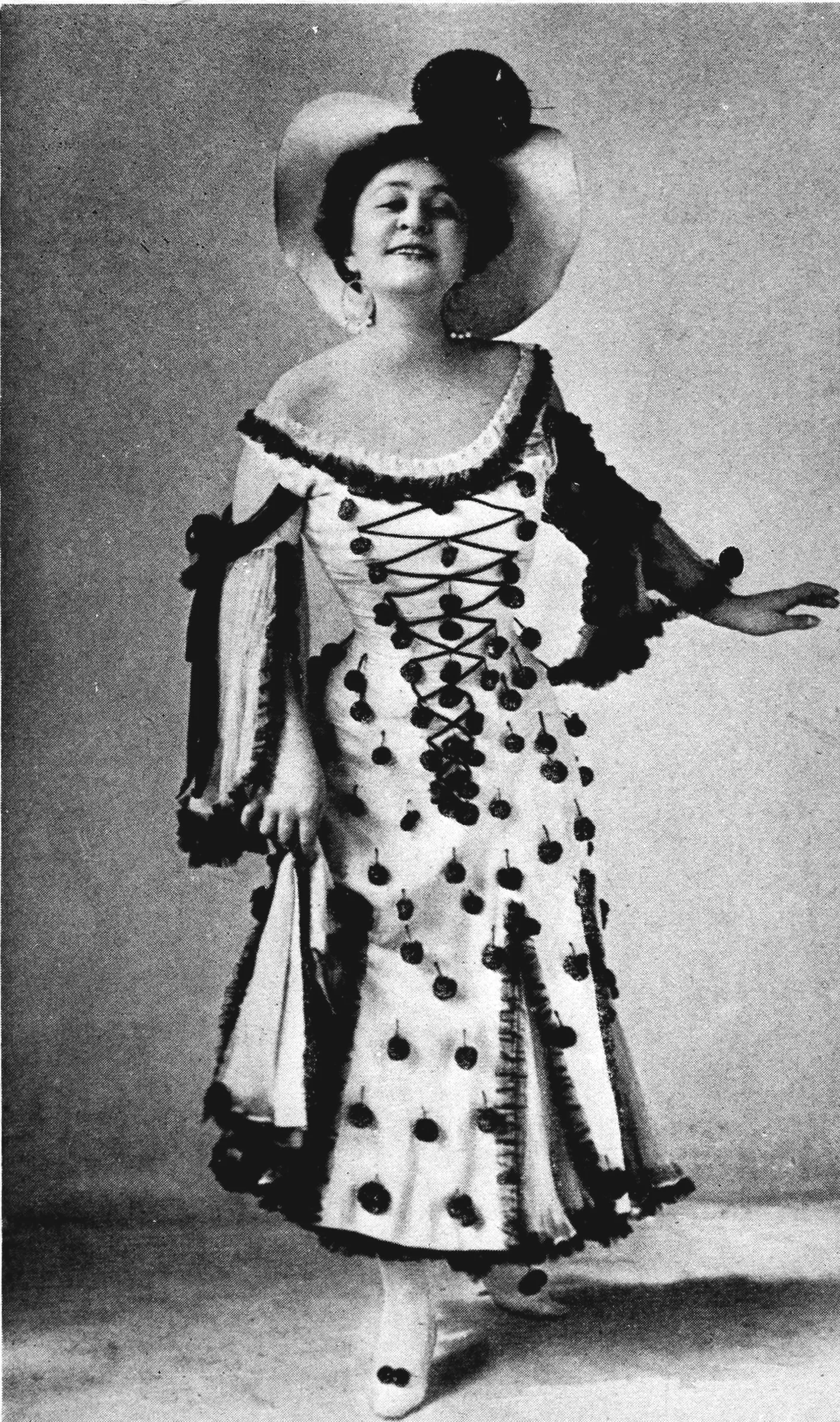
At just 17, she made her professional debut in Boccaccio (1940). This first role already revealed her exceptional talent. In 1947, her performance in La Gioconda in Verona brought her to the attention of international audiences.
Her interpretation of Norma, with 90 performances between 1948 and 1965, remains an unrivalled record. These early successes heralded a career that would revolutionize operatic art.
Collaborations with the greatest conductors
Her collaboration with Luchino Visconti on La Traviata (1955) was historic. She also worked with conductors such as Herbert von Karajan and Tullio Serafin, whose expertise enriched her interpretation of every role.
These partnerships allowed her voice to shine on the world’s greatest stages, cementing her legendary status.
Revolutionizing opera through dramatic interpretation
She revived neglected bel canto operas, including works by Bellini and Donizetti. Her unique vocal technique combined bel canto with dramatic expressiveness, creating characters of unprecedented psychological depth.
Her physical transformation, which included losing 30 kg, strengthened her stage presence. To learn more about the impact of divas on opera, follow this link.
| Element | Details |
|---|---|
| Debut | Boccaccio (1940) |
| Breakthrough | La Gioconda in Verona (1947) |
| Record | 90 performances of Norma (1948–1965) |
| Collaboration | Luchino Visconti on La Traviata (1955) |
Conclusion: Maria Callas’s musical legacy and myth
The legacy of this opera icon continues to resonate throughout the world. Her unique voice and devotion to operatic art shaped the 20th century, making her a timeless legend.
Despite the challenges of her personal life, she left an indelible mark on culture. With more than 500 official recordings and millions of vinyl records sold each year, her influence remains alive.
Her journey also helped pave the way for more women in cultural management, inspiring generations of artists. Today, she is celebrated not only as a diva but also as a pioneering feminist figure.
Her myth endures in cinema, fashion and literature, proving that her art transcends personal tragedy. Maria Callas remains a legend whose artistic immortality continues to inspire.