
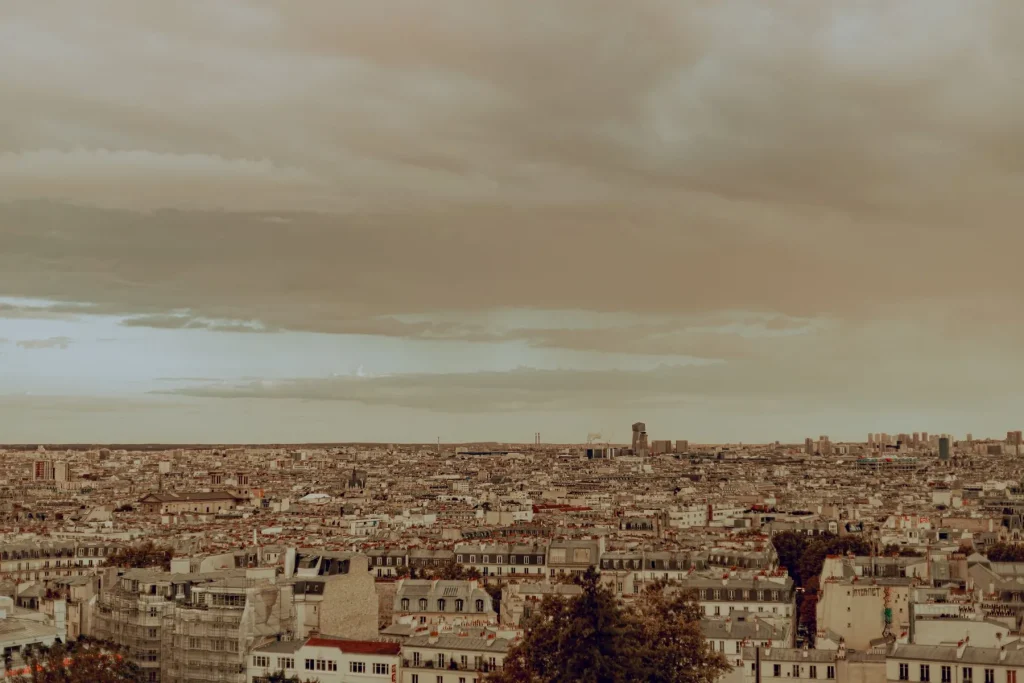
The legend of opera, whose voice defined the century, remains inseparable from the French capital. As the centenary of her birth is celebrated this year, it is fascinating to imagine where she might have chosen to live in contemporary Paris.
Known for her elegance and love of the arts, she lived for many years on Avenue Georges-Mandel, in a neighborhood that reflected her taste for refinement. Today, the city has evolved, and other arrondissements might suit her unique personality.
This article explores present-day Parisian neighborhoods by combining biographical information with the city’s urban evolution. To learn more about her legacy, discover her fascinating story.
Introduction: Maria Callas, a Timeless Legend
This opera icon, whose voice has echoed across the decades, continues to fascinate. Born in 1923 and deceased on September 16, 1977, at the age of 53, she left an indelible mark on the world of classical music.
Her career, which spanned 1940 to 1965, redefined the standards of bel canto. Although her voice sometimes sparked controversy, she revolutionized opera through her emotionally charged interpretations and impeccable technique.
Forty years after her death, her legacy remains alive. Exhibitions and performances, such as the 2017 tribute by Alain Duault and Béatrice Uria-Monzon, honor her memory. Her EMI recordings continue to inspire new generations of artists.
Yves Saint Laurent once described her voice as “supernatural.” That description perfectly sums up the impact she had on her century. Her attachment to Paris, where she chose to spend her final years, reflects her love for the city.
| Event | Date |
|---|---|
| Birth | 1923 |
| Start of career | 1940 |
| End of career | 1965 |
| Death | September 16, 1977 |
The Life of Maria Callas: An Extraordinary Destiny
From her childhood in New York to her international acclaim, her story is captivating. Born in 1923 into a family of Greek immigrants, she grew up in a difficult environment. Nicknamed “the fat snake with glasses” because of her thick spectacles, she quickly displayed an exceptional talent for singing.
Her mother, Evangelia, played a key role in her musical vocation. At the age of 13, she left for Athens, where she studied with the celebrated soprano Elvira de Hidalgo. This rigorous training laid the foundations for her future career.
From New York to Athens: The Beginnings of a Diva
The early years of her life were marked by hardship. After leaving New York, she settled in Athens, where she perfected her art. Her powerful voice and dedication enabled her to perform on stage while still a teenager.
“Her talent was obvious from the beginning. She had a voice that could not be ignored.”
International Acclaim
In 1949, she achieved a major breakthrough with I Puritani in Venice. This performance marked the beginning of her worldwide fame. She collaborated with figures such as Luchino Visconti, who influenced her physical and stylistic transformation.
In 1952, she lost 30 kg, a dramatic change that attracted media attention. This transformation strengthened her image as a diva and contributed to her legend.
The Paris Years: An Artistic Retreat
In 1965, she bought an apartment in Paris, where she spent her final years. Despite her isolation following her separation from Onassis, she remained an emblematic figure in opera. Her often-tumultuous private life contrasted with her immortal artistic legacy.
| Event | Year |
|---|---|
| Birth | 1923 |
| Start of career | 1940 |
| International breakthrough | 1949 |
| Move to Paris | 1965 |
Maria Callas and Paris: A Special Relationship
Paris has always been a haven for artists, and Maria Callas was no exception. After a dazzling international career, she chose the French capital as her place of retirement. Her apartment at 36 Avenue Georges-Mandel, in the 16th arrondissement, reflected her taste for elegance and discretion.
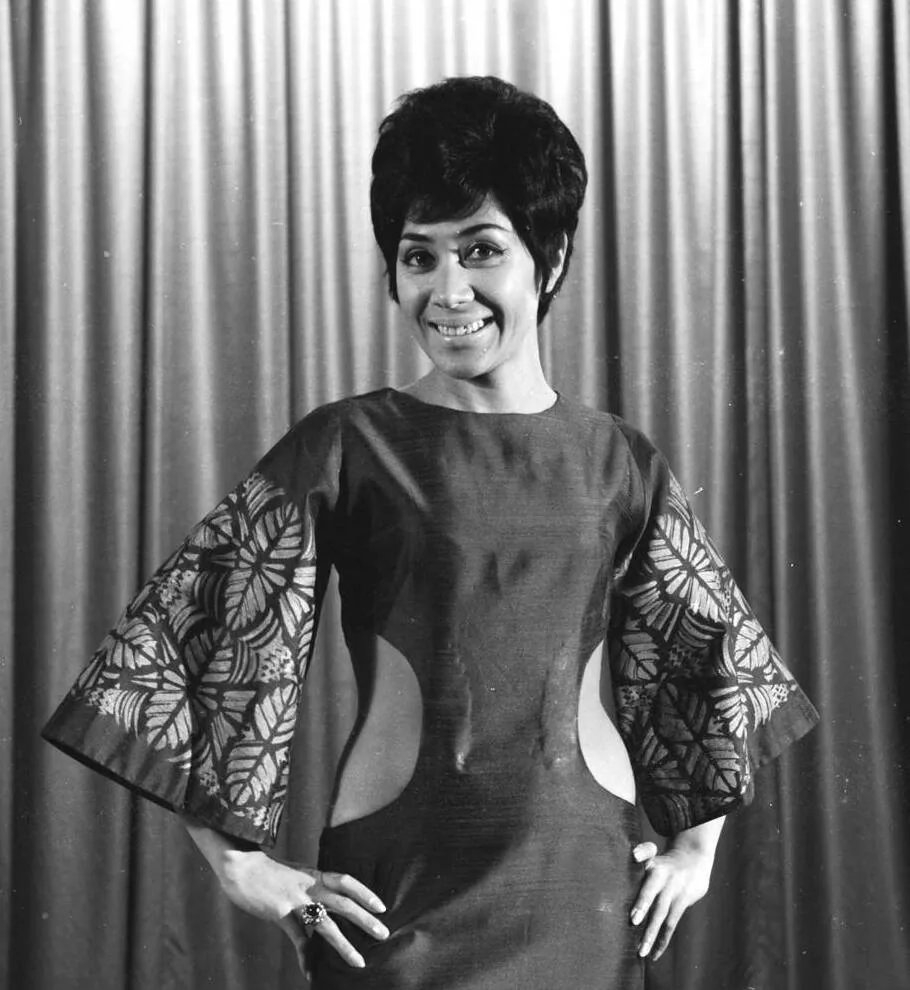
Her connection with Paris was not limited to her residence. She also left her mark on the city’s operatic stage with memorable performances at the Palais Garnier in 1958, 1964 and 1965. These occasions cemented her status as an icon in the world of opera.
As she withdrew from the spotlight, her life in Paris became more private. She worked with Janine Reiss, a key figure in the opera world, and maintained discreet relationships with other artists. Despite her past fame, she chose a reclusive existence that contrasted with the public image she had cultivated.
She enjoyed walking alone near the Trocadéro, a place that symbolized her search for peace. These moments of solitude reflected the symbolic importance of Paris in her personal mythology. To learn more about her journey, discover her fascinating story.
Paris was far more than merely a city to her. It was a sanctuary, a place where she could rediscover herself after years of turmoil and success. Her legacy continues to resonate through the streets of the capital, bearing witness to a unique relationship between an artist and her adopted city.
Maria Callas’s Paris: A Historical Context
The 1960s marked a golden age for opera in Paris: the international stage was then at its most brilliant. The French capital was a cultural crossroads, attracting the greatest talents in opera. It was in this setting that the diva chose to settle, finding both refuge and inspiration in the city.
In 1958, she took part in the Légion d’honneur Gala with the Paris Opera Orchestra, an event that marked her triumphant return to the Parisian stage. The performance reinforced her status as a living legend as she continued to captivate audiences with her emotionally charged interpretations.
In December 1964, she performed Norma under the direction of Georges Prêtre in a production hailed as one of the most memorable of her career. This collaboration highlighted her unrivaled talent and dedication to opera.
The following year, she performed Tosca in a production directed by Zeffirelli, a performance that marked the end of her stage career. These occasions illustrated not only her artistic genius but also the importance of the Palais Garnier in her journey.
Paris in the 1960s was undergoing profound change. The neighborhoods she frequented, such as the 16th arrondissement, evolved in step with the era’s urban and cultural transformations. It was also a period of rich political and cultural activity, in which art and politics often intersected.
Today, the city has changed, but the legacy of that era remains alive. The streets of Paris continue to tell the story of an artist who found a haven of peace and creativity there.
Parisian Neighborhoods: Which Would She Choose Today?
Imagining where an icon might choose to live today offers a fascinating perspective on her legacy. The neighborhoods of Paris, each with its unique charm, reflect distinct aspects of cultural and social life. Three in particular stand out: the Marais, Saint-Germain-des-Prés and the 16th arrondissement.
The Marais: Between Tradition and Modernity
The Marais, a neighborhood steeped in history, is now a center of cultural diversity and creative energy. Its cobbled streets and private mansions bear witness to a rich past, while its art galleries and fashionable boutiques make it a thoroughly contemporary place. This unique blend could appeal to someone seeking inspiration and vitality.
Saint-Germain-des-Prés: The Artistic Soul
Saint-Germain-des-Prés embodies the artistic spirit of Paris. The birthplace of the existentialists and intellectuals of the 1950s, the neighborhood continues to attract creative people from around the world. Its legendary cafés and independent bookshops make it ideal for those who value cultural heritage and intellectual reflection.
The 16th Arrondissement: Elegance and Discretion
The 16th arrondissement, known for its elegance and discretion, is a favored choice among celebrities. With its broad, tree-lined avenues and prestigious residences, it offers peaceful, refined surroundings. The nearby Maison de la Radio adds a cultural dimension, making this neighborhood an ideal haven for an iconic figure.
Maria Callas: A Woman of Taste
Her style, both bold and refined, defined her era. Known for her elegance, she collaborated with the greatest fashion designers, including Yves Saint Laurent. This union between womanhood and art produced memorable outfits that combined sophistication and modernity.

Following her spectacular weight loss, her stylistic transformation captivated the world. She embraced sumptuous ball gowns while favoring understated outfits in everyday life. This combination reflected her complex personality and exacting aesthetic standards.
Her Paris apartment likewise demonstrated her refined taste. There she assembled a unique art collection consisting of antique furniture and carefully selected works. The acoustics of each room were designed to meet her artistic needs.
She maintained a profound connection with Parisian haute couture. She demanded perfection in every detail, whether for her stage roles or her public appearances. This rigor influenced her opera productions, in which every visual element was conceived to heighten the emotion.
Over the years, her artistic choices became increasingly restrained. She sought to simplify her style while retaining a timeless elegance. This pursuit of simplicity reflected her desire to focus on what truly mattered, both in her life and in her art.
| Collaboration | Impact |
|---|---|
| Yves Saint Laurent | Iconic outfits |
| Art collection | Refined décor |
| Opera productions | Exacting aesthetic standards |
Parisian Cultural Life: An Undeniable Attraction
Parisian cultural life continues to shine, attracting art and music enthusiasts from around the world. Today, the Paris National Opera offers a rich program combining classics with contemporary creations. In 2023, opera festivals and themed exhibitions celebrated the legacy of great artists.
The music scene has evolved since the 1960s, but it remains deeply rooted in tradition. Venues such as the Philharmonie and the Opéra Bastille provide modern spaces for innovative performances. These institutions play a key role in promoting opera.
In December 1964, a production of Norma conducted by Georges Prêtre made opera history. Today, tributes such as Marina Abramović’s exhibition “7 Deaths of Maria Callas” attest to the enduring influence of these icons.
New technologies have also transformed the way artists’ work is shared. Live broadcasts and digital archives enable the opera world to reach a broader audience. These innovations help keep cultural heritage accessible.
| Venue | Role |
|---|---|
| Palais Garnier | Historical heritage |
| Philharmonie | Musical innovation |
| Opéra Bastille | Modern performances |
Modern Influences on Her Choice of Residence
Modern real-estate requirements have profoundly transformed residents’ expectations. Today, criteria such as soundproofing, green spaces and nearby services play a key role in choosing a place to live. These factors, which were less of a priority in the 1960s, are now essential to meeting contemporary needs.
Proximity to rehearsal spaces and performance venues is another decisive factor. After traveling the world, an artist seeks a place that facilitates her work while providing surroundings conducive to creativity. Neighborhoods well served by public transport, such as the La Muette neighborhood, meet these requirements perfectly.
New technologies have also redefined artists’ needs. Spaces suitable for remote work, integrated sound systems and modern equipment have become major assets. These innovations make it possible to balance professional and personal life while enjoying greater comfort.
Finally, security and privacy remain priorities in present-day Paris. Residents seek peaceful surroundings where they can focus on their art without being disturbed. Combined with excellent accessibility, these criteria make neighborhoods such as the 16th arrondissement especially desirable choices.
| Criterion | Impact |
|---|---|
| Soundproofing | Comfort and concentration |
| Green spaces | Well-being and inspiration |
| Services | Convenience and practicality |
Maria Callas and Opera: A Living Legacy
Her influence on opera transcends eras and marks a turning point in the history of the art form. Through her interpretations, she helped audiences rediscover bel canto, a style that had waned in popularity. Her performances redefined its standards, offering music lovers a new perspective.
Between 1952 and 1969, her EMI recordings became essential references. These works, capturing the power and subtlety of her voice, continue to inspire new generations of singers. Artists such as Cecilia Bartoli have acknowledged her impact on their own careers.
Her vocal technique, revolutionary for its time, left a lasting mark. Today’s opera singers study her signature roles to understand the depth of her art. Educational projects draw inspiration from her method and pass her legacy on to future talents.
The BnF’s digitization of her archives has preserved her work for future generations. These publicly accessible documents bear witness to her genius and dedication to opera. They offer a fascinating immersion in the world of an artist who defined her century.
Contemporary reinterpretations of her roles demonstrate that her legacy remains alive. Modern productions draw inspiration from her style, proving that her art continues to resonate. Callas the interpreter remains an inexhaustible source of inspiration for the opera world.
Tributes to Maria Callas in Paris
The tributes paid to this operatic icon attest to her timeless influence. She was born in December 1923, and today the French capital celebrates her legacy through memorable events. The Centenary Gala at the Palais Garnier, scheduled for December 2, 2023, was set to be a highlight of these celebrations.
Forty years after her death, Paris continued to pay tribute to her. The screening of Pablo Larraín’s film “Maria” at the Grand Rex offered a cinematic exploration of her life and artistic journey. Acclaimed by critics, the film allowed audiences to rediscover her genius from a new perspective.
A commemorative trail through the 16th arrondissement invites visitors to explore the places that shaped her life in Paris. Explanatory plaques and artistic installations retrace her story, making her legacy accessible to everyone.
Recent exhibitions have showcased stage costumes, annotated scores and personal belongings. These items offer an intimate glimpse into her creative process and dedication to opera.
Municipal initiatives, such as commemorative plaques and streets bearing her name, strengthen her symbolic presence in the city. These gestures attest to the importance of her legacy to Parisian culture.
Finally, collaborations with fashion houses have produced limited editions inspired by her style. Combining elegance and modernity, these creations perpetuate her influence in the fashion world.
Special programming on France Musique allows listeners to rediscover her legendary recordings. These broadcasts recall the power of her voice and her impact on the national opera scene.
Conclusion: Maria Callas, an Adopted Parisian
Over the course of a life shaped by art and passion, she found both refuge and inspiration in the capital. Although her ashes were scattered in the Aegean Sea in accordance with her wishes, she remains profoundly connected to the city she adopted. Her apartment, now valued at several million, attests to her attachment to this place.
The neighborhoods she might choose today reflect her taste for elegance and discretion. The 16th arrondissement, with its timeless charm, would undoubtedly have continued to appeal to her. This cultural adoption, shared by so many foreign artists, underscores the universality of her legacy.
As she once said, she considered herself an adopted Parisian. This city, where she spent her final years, continues to celebrate her genius. To discover her world, explore the places that shaped her life in the capital.