

Born in New York in 1923, Maria Callas left an indelible mark on the history of 20th-century music. She showed exceptional talent from an early age, beginning her career at eight despite her natural shyness. At just 15, she performed her first roles at the Athens Opera, laying the foundations of a legendary career.
Described by Leonard Bernstein as “the greatest artist in the world”, she captivated audiences in New York, Paris and Milan. Her voice, both admired and controversial, spanned nearly three octaves—an uncommon feat in the world of opera. Although her career was cut short, her impact remains undeniable.
Nicknamed “La Divina”, she left an invaluable cultural legacy. In this article, we take a detailed look at the vocal registers that made her a timeless icon. To learn more about her life and work, visit this page.
Introducing Maria Callas and Her Legendary Voice
From an early age, she was driven to pursue musical excellence. Her mother, Evangelia, imposed a rigorous training program that combined piano and singing lessons. This discipline shaped an artist ready to conquer the world’s greatest stages.
The Birth of a Diva: Her Early Beginnings
At just eight years old, she made her first stage appearance in Robert Planquette’s La Mascotte. This experience marked the beginning of a meteoric career. In 1938, she shone in Cavalleria rusticana in Athens, revealing an extraordinary talent.
These early successes laid the foundations of her vocal technique. Her ability to perform complex roles with rare precision redefined the standards of bel canto. She also developed a distinctive method of embodying her characters, combining expressiveness with emotional depth.
The Importance of Her Voice in Opera History
Although sometimes considered “unconventional”, her voice marked a turning point in the history of opera. Nicole Scotto Di Carlo emphasized her vocal versatility: she could move from a low register to crystalline high notes with astonishing ease.
Her physical transformation, combined with a revolutionary stage presence, also contributed to her legendary status. She used her slender figure to heighten her dramatic impact onstage, captivating audiences around the world.
Maria Callas: Her Vocal Range Explained
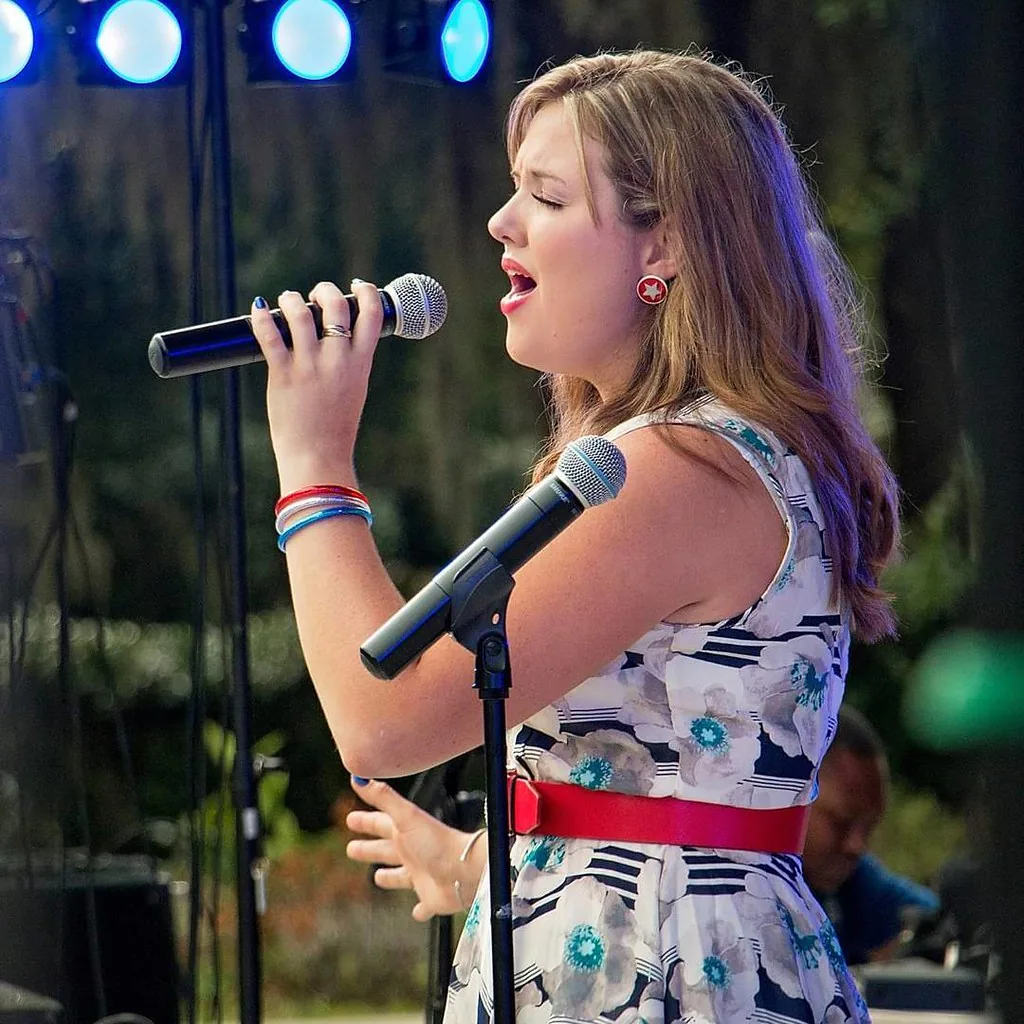
Her voice extended across an impressive three-octave range. This exceptional breadth allowed her to tackle a wide variety of roles, from deep low notes to crystalline highs. Such versatility made her an indispensable figure in opera.
An Exceptional Range: Three Octaves of Power
Maria Callas commanded a range extending from A2 to E6, an unusual span for a soprano. This ability enabled her to perform complex scores with remarkable precision. Her vocal range allowed her to tackle both dramatic and coloratura roles, demonstrating unique flexibility.
The Three Registers of Her Voice: Cello, Violin and Flute
Stéphane Grant compared her voice to three instruments: a cello in the low register, a violin in the middle register and a flute in the high register. This metaphor illustrates the richness and diversity of her registers. She developed each register with surgical precision, creating an unrivalled palette of sound.
| Register | Characteristic | Example role |
|---|---|---|
| Low (cello) | Depth and power | Norma |
| Middle (violin) | Expressiveness and warmth | Tosca |
| High (flute) | Clarity and lightness | Violetta |
Callas’s Vocal Technique: Unrivalled Mastery
Her technique rested on rigorous diaphragmatic breathing and precise articulation. Inspired by mimics, she developed a distinctive method for managing transitions between registers. This approach enabled her to maintain exceptional vocal quality even while giving 100 performances a year.
To learn more about vocal ranges, visit this page.
Maria Callas’s Signature Roles
Maria Callas redefined operatic art through her memorable performances. Her roles made opera history thanks to her exceptional vocal technique and intense theatrical acting. Every character she portrayed became a benchmark, influencing generations of artists.
Tosca: A Role Defined by Dramatic Intensity
Among her most celebrated roles, Tosca holds a special place. Between 1942 and 1965, she portrayed the character 53 times, captivating audiences with her dramatic intensity. Her 1964 performance at Covent Garden is often regarded as her artistic testament.
She gave Tosca unique emotional depth, combining vocal power with expressiveness. Her collaborations with directors such as Visconti further strengthened the impact of her performances.
Violetta and Norma: Unforgettable Performances
Her portrayal of Violetta in La Traviata made a lasting impression. Her performance of the aria “Sempre libera” remains a technical feat, demonstrating her command of the upper register and her ability to convey complex emotions.
As for Norma, her 1954 recording with Carlo Maria Giulini became legendary. Despite the scandal caused by her cancellation in Rome in 1956, the role reinforced her status as the undisputed diva.
The Impact of Her Roles on Later Generations
Maria Callas influenced artists such as Montserrat Caballé and Joan Sutherland. Her repertoire choices also redefined the standards of musicology, demonstrating the importance of blending singing with theatre.
Her gradual withdrawal from the stage in the 1960s marked the end of an era, but her legacy continues to inspire opera lovers around the world.
| Role | Characteristic | Impact |
|---|---|---|
| Tosca | Dramatic intensity | Artistic testament |
| Violetta | Technical feat | Complex emotion |
| Norma | Vocal legend | Diva status |
Conclusion: Maria Callas’s Immortal Legacy
The legendary opera singer left an indelible mark on the 20th century through her exceptional talent. Her death in Paris in 1977, at just 53 years old, left a void in the world of music. Yet her legacy continues to shine.
Michel Glotz described her vocal range as “superhuman,” reflecting her remarkable command of her voice. Her recordings—including a collection sold for €2.5 million in 2023—remain benchmarks. A permanent exhibition at the Musée Garnier also celebrates her career.
Her influence extends beyond opera. Zeffirelli’s film Callas Forever and the centenary commemorations of 2023–2024 attest to her lasting impact. Despite scientific controversy surrounding her voice, she remains an icon across generations.
To discover other legendary performances, visit this page.