
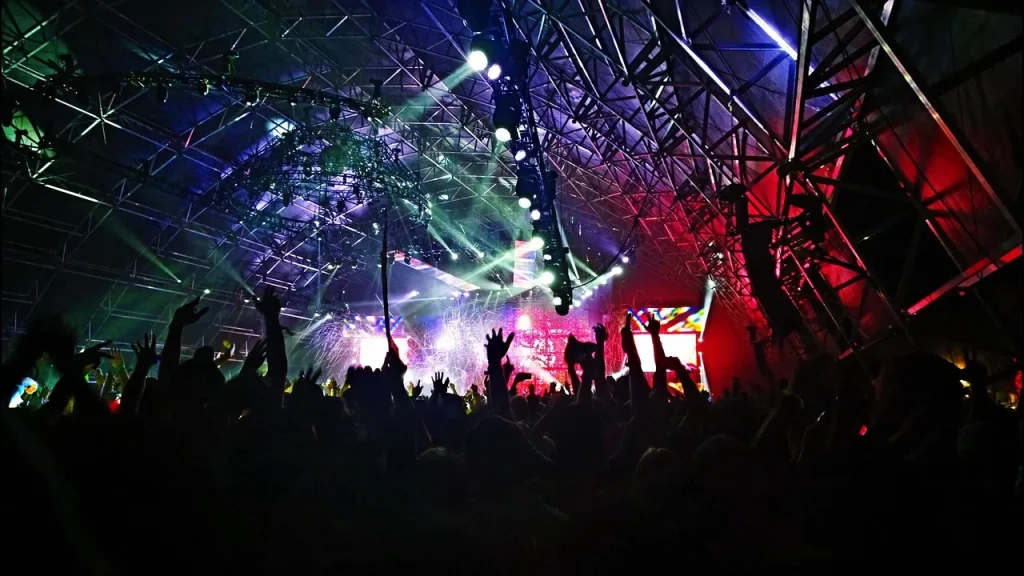
Music festivals have a significant influence on France’s cultural scene. According to a socioeconomic study conducted for the Ministry of Culture, there are more than 1,400 festivals across all fields, attracting around 11 million people in France each year. A more recent study conducted by the CNRS and France Festivals, called SoFest, examines several aspects of music festivals, including audiences, volunteers, cooperation, the economy, and digital communication.
Music festivals account for the vast majority of cultural events in France, with around 4,000 festivals among the 6,000 recorded. These festivals are regarded as “economic enterprises” that help transform our relationship with culture and increase both festival attendance and the number of festivals. This study aims to provide a better understanding of music festivals and their impact on the French cultural scene.
Profile of the Typical Festivalgoer
According to the study data, the typical festivalgoer in France is a 48-year-old woman who is educated (72% of festivalgoers have pursued higher education) and employed (51% of attendees are working). A large majority of festivalgoers live in the region where the festival takes place. Audience characteristics also vary according to the genre of music offered by the festival. For example, contemporary music festivals attract a relatively young audience, while classical music festivals appeal to an older audience. Overall, music festivals bring together people from a wide range of backgrounds and offer them a unique aesthetic and human experience.
Audience Profile at Contemporary Music Festivals
Contemporary music festivals are especially popular with younger festivalgoers. The average age is around 30, and these events also attract students and people eager to discover new music. Festivalgoers are often more receptive to new trends and emerging artists. They seek energetic performances and lively atmospheres.
Audience Profile at Classical Music Festivals
Classical music festivals attract an older audience, with an average age of 55 or above. These festivalgoers are often passionate about music and favor more traditional, sophisticated artistic performances. Classical music festivals provide an opportunity to discover classic works performed by talented musicians.
Music festivals are special occasions when audiences can experience powerful emotions while sharing a common passion for music. Whether dancing to contemporary music or marveling at classical performances, these events bring together festivalgoers from all walks of life and offer an unforgettable experience.
| Characteristics | Contemporary Music Festivals | Classical Music Festivals |
|---|---|---|
| Average age | Around 30 | 55 and above |
| Education level | Varied, with an audience often comprising students or graduates | Varied, with an audience often comprising graduates |
| Music genre | Contemporary music, emerging artists | Classical music, traditional performances |
| Location | Often from the festival’s region | Often from the festival’s region |
Music festivals in France bring together festivalgoers with varied backgrounds, enriching conversations and encounters. Whether through contemporary or classical music, these events enable people to share unique moments and bring their passion for music to life for every festivalgoer.
Regions Where Festivals Flourish
Every French region has a dense festival landscape, but some stand out for their concentration of festivals. The regions most conducive to festivals are Provence-Alpes-Côte d’Azur, Occitanie, and Brittany, all of which have a long festival tradition. The Cannes and Avignon festivals have notably shaped the history of the arts in Provence-Alpes-Côte d’Azur, while Brittany is known for traditional events such as the Festival Interceltique de Lorient and Rennes’ Trans Musicales. Historically, festivals were mainly held in summer, but they now take place throughout the year in every region of France.
| Region | Festival concentration | Historic festival locations |
|---|---|---|
| Provence-Alpes-Côte d’Azur | High | Cannes, Avignon |
| Occitanie | High | Toulouse, Montpellier |
| Brittany | High | Lorient, Rennes |
| Île-de-France | Moderate | Paris, Fontainebleau |
| Auvergne-Rhône-Alpes | Moderate | Lyon, Clermont-Ferrand |
The Evolution of Music Festivals in France
Over the years, music festivals in France, about which you can learn more at https://www.france.fr/en/article/music-festivals-this-summer/, have experienced exponential growth. Between 1973 and 2018, festival attendance rose from 8% to 19% of the French population, making it the cultural activity with the strongest growth. Furthermore, around 70% of today’s festivals were established after 2000. Volunteering plays an essential role in many festivals: around 60% rely on volunteers to help organize them. Festivals are often viewed as collective projects that combine the strengths of the public, private, and nonprofit sectors.
The creation of music festivals in France has increased over recent decades. The combined efforts of organizers, artists, and volunteers have contributed to the diversification and expansion of the music scene. As musical tastes have evolved and new genres have emerged, festivals have had to adapt and offer varied programs to attract increasingly large and diverse audiences.
Music festivals have become unmissable occasions for music lovers, offering a unique and immersive experience. Whether through street food, artistic performances, or the welcoming atmosphere at the venue, festivals create a sense of belonging and connection among attendees. They celebrate not only music but also cultural diversity and togetherness.
The growth of festivals can also be explained by the public’s increasing enthusiasm for these cultural events. Festivals offer a collective, participatory experience that combines discovering new artists, creating memories, and meeting other music enthusiasts. Moreover, the creation of festivals in regions where this tradition was less firmly established has helped the phenomenon spread throughout France.
France’s festival landscape continues to evolve as new festivals are created, some specializing in niche musical genres or showcasing emerging local artists. This creativity demonstrates the vitality of the French music scene and organizers’ determination to offer their audiences unique experiences.
Evolution of Music Festivals in France
| Period | Festival attendance (%) | Percentage of festivals established after 2000 |
|---|---|---|
| 1973 | 8 | – |
| 1990 | 12 | – |
| 2000 | 14 | 50 |
| 2010 | 17 | 65 |
| 2018 | 19 | 70 |
The evolution of music festivals in France reflects the growing enthusiasm for these events. The diversity of musical genres on offer, volunteers’ active participation, and organizers’ creativity all help sustain these festivals’ appeal and success. Beyond music, they have become genuine spaces for encounters and cultural exchange, where a shared passion for music is celebrated.
Conclusion
Music festivals in France have a significant impact on culture and society. By bringing together people from diverse backgrounds, they strengthen the social fabric and encourage encounters and cultural exchange. The French music scene benefits from the diversity of festivals, the musical genres represented, and the national and international artists who take part. Each festival brings its own identity and helps make the French music scene dynamic and varied. More than mere entertainment events, music festivals are spaces for sharing, discovery, and the celebration of culture.
FAQ
How many music festivals are there in France?
There are more than 1,400 festivals across all fields in France.
How many people attend music festivals in France each year?
Around 11 million people attend music festivals in France each year.
What is the profile of the typical festivalgoer in France?
The typical festivalgoer in France is a 48-year-old woman who is educated and employed.
Where do festivalgoers in France generally live?
A large majority of festivalgoers live in the region where the festival takes place.
Which regions in France are most conducive to festivals?
The French regions most conducive to festivals are Provence-Alpes-Côte d’Azur, Occitanie, and Brittany.
How have music festivals in France evolved over the years?
Between 1973 and 2018, festival attendance rose from 8% to 19% of the French population.
What role does volunteering play in music festivals in France?
Around 60% of music festivals in France rely on volunteers to help organize them.
What impact do music festivals have in France?
Music festivals in France have a significant impact on culture and society by encouraging encounters and cultural exchange.