
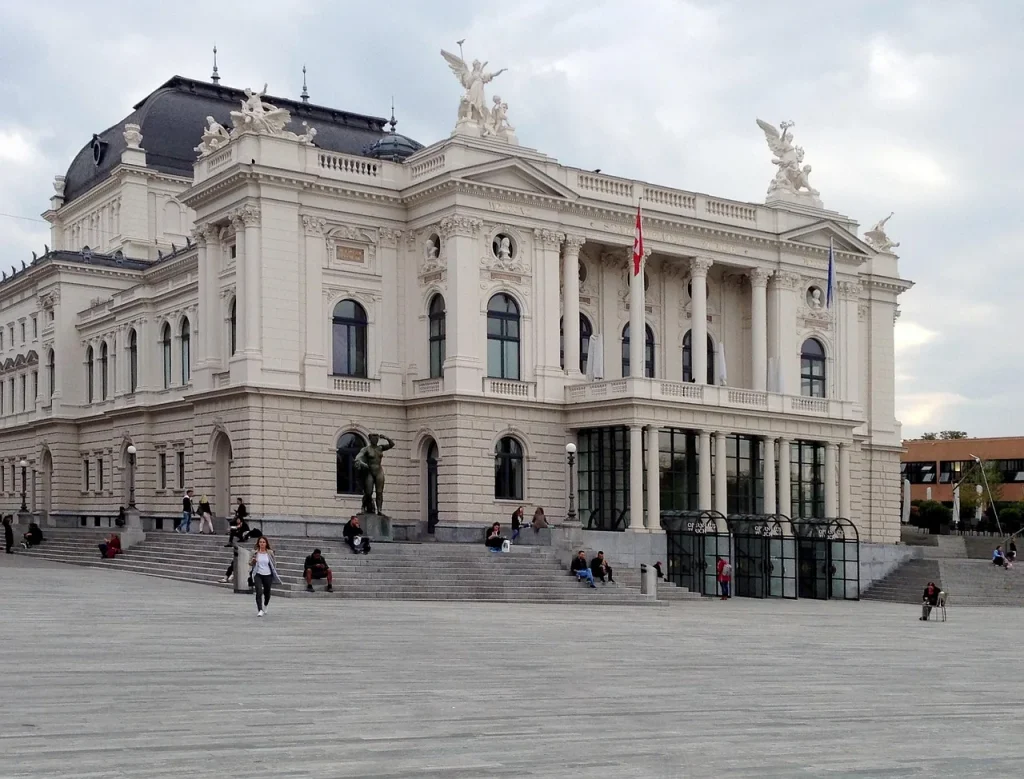
Captivated by the intensity of the Queen of the Night expressing her fury, touched by Violetta in La Traviata and her tragic fate, moved by Don Carlos’s unrequited love, we sometimes forget all the work that precedes these unforgettable performances by the greatest opera singers. Although the path to fame requires total commitment, it does not guarantee lasting success. To remain at the height of their art, opera singers must constantly care for and train their voices.
A strict lifestyle, regular exercises, and the constant study of new arias: the life of an opera singer is certainly demanding. Even the greatest performers need the regular, dependable support of vocal coaches or singing teachers to maintain the quality of their performances.
The initial training of opera singers is extremely demanding
Behind every perfectly executed note and every carefully controlled breath lies a long journey of study, often begun in childhood or adolescence. The dream of appearing on the stages of the world’s greatest opera houses is built patiently through years of rigorous practice. Conservatories, specialist schools, and opera academies become essential stepping stones—true temples in which voices and characters are forged.
This initial training demands complete dedication:
- hours of vocal exercises;
- refining diction;
- breath-control training;
- learning foreign languages and mastering the subtleties of the repertoire;
- theoretical training in music history and music theory.
The artist’s private singing teacher, often still an active performer, instills the discipline, perseverance, and passion needed to meet the challenges of the profession.
This journey, marked by competitions, masterclasses, and early experiences on stage, shapes performers who can move and surprise audiences while presenting music at the highest level. It also serves as a reminder that excellence can never be taken for granted. Every milestone calls for renewed effort and continual self-examination so that the voice—this fragile, living instrument—can continue to shine in the spotlight.

Professional life requires constant vocal care
Once their career is underway, opera singers cannot rest on what they have already achieved. The stage demands unwavering standards and daily commitment extending far beyond the simple pleasure of singing. Amid intensive rehearsals, repeated performances, and constant travel, the voice must be protected, cared for, and continuously refined.
Working with a vocal coach or répétiteur therefore becomes an essential ritual. These specialists help artists prepare new roles, adapt their vocal technique to the character and the director’s requirements, and safeguard the health of their instrument. This personalized guidance enables singers to adapt their voices to different ranges, varied styles, and the technical challenges posed by each production.
Beyond technique, vocal care also encompasses stress management, breath control, and an impeccable lifestyle. Opera singers must combine rigor with flexibility, and discipline with creativity, to offer audiences performances of consistently renewed intensity and quality.

The risks faced by singers who neglect their voices
Under the spotlight, an opera singer’s voice may seem impervious to harm, but behind that appearance lies constant vulnerability. Neglecting vocal care or failing to maintain a disciplined lifestyle exposes artists to dangers that can jeopardize their careers, sometimes irreversibly.
The vocal folds, delicate and sensitive instruments, are particularly vulnerable to conditions such as nodules, polyps, and inflammation. Poor voice management, overuse, or excessive reliance on medication to mask pain can worsen these injuries and lead to a temporary or permanent loss of vocal ability. In addition, poor posture or inadequate training can contribute to musculoskeletal disorders that may impede breathing and vocal projection.
The risks, however, are not limited to physical health. Chronic stress, performance anxiety, and constant pressure can cause mental exhaustion or even burnout, affecting both artistic quality and overall well-being. These problems are compounded by the hazards of an unhealthy lifestyle: poor nutrition, insufficient sleep, excessive alcohol consumption, or substance use to manage tension—all factors that weaken the body and the voice.
Who helps opera singers continue to improve?
Behind every exceptional voice is the discreet yet essential guidance of passionate, experienced professionals. Classical singing teachers, often former performers or recognized specialists themselves, play a fundamental role in a singer’s development. They provide personalized guidance tailored to the unique qualities of each voice and pass on both technical and artistic expertise—essential tools for refining interpretation.
Alongside these teachers, vocal coaches and répétiteurs provide regular assistance, particularly when singers are preparing complex roles or demanding productions. Their expertise helps refine technique, intonation, diction, and expression while protecting vocal health. These professionals are also frequently called upon to support artists during competitions, auditions, and tours, offering invaluable assistance as they face the challenges of the profession.
In addition, many institutions, including national conservatories, colleges of music, and opera academies, offer continuing education and advanced training programs. These institutions bring together highly accomplished teachers and provide an ideal setting for collaboration, practice, and regular refinement.
Continuing education is essential for singers
An opera singer’s voice is not a static instrument; it evolves over time under the influence of age, experience, and the demands of the repertoire. This natural transformation requires constant adaptation and continual fine-tuning, even for the most accomplished artists.
Every new role presents its own technical and expressive challenges, requiring focused and often intensive study. Mastering a different vocal range, learning a foreign language, or exploring an unfamiliar style calls for rigorous preparation, often undertaken with the assistance of a coach or teacher. This specialized work enables singers to preserve the quality of their voices while expanding their repertoire and artistic range.
Continuing education also plays a major preventive role. By maintaining a healthy, appropriate technique, it helps singers avoid vocal injuries and problems caused by using the voice incorrectly. It also encourages a balanced lifestyle, which is essential for sustaining the stamina and resilience required by the profession.
Far from being a luxury, lifelong training is vital for opera singers. It ensures not only the longevity of their voices but also the richness and depth of their interpretations, allowing them to continue touching and moving audiences with the same intensity and precision.