

In Paris’s 16th arrondissement, an iconic apartment bears witness to the final years of an opera legend. Located at 36 Avenue Georges-Mandel, this home is far more than a mere residence. It embodies a poignant chapter in the diva’s life, blending artistic glory with private intimacy.
Now steeped in memories, this historic place evokes both her extraordinary career and the mysteries surrounding her private life. The singer’s final years there were marked by moments of solitude and reflection, far from the spotlight.
After her death, her ashes were scattered over the Aegean Sea, adding a symbolic dimension to her legacy. Paris’s 16th arrondissement thus remains an essential point of reference for understanding the history and soul of this musical icon.
Introduction to the life of Maria Callas
Sophia Cecilia Kalogeropoulos, born in New York, made her mark on opera history. Born into a family of Greek immigrants, she forged her path through determination and talent. In 1947, she became “La Callas”, a name that still resonates throughout the classical music world today.
Her life was defined by bold choices. In 1966, she acquired Greek citizenship, adding another dimension to her identity. Her husband, Battista Meneghini, played a key role in the rise of her career, supporting her as she took her first steps onto the great international stages.
The 1950s were pivotal for her. A radical physical transformation, including a weight loss of 30 kg, changed her appearance and strengthened her stage presence. Despite severely limiting nearsightedness, she developed unique techniques to meet the demands of performing.
“Music is a passion that transcends borders and limitations.”
| Item | Detail |
|---|---|
| Birth name | Sophia Cecilia Kalogeropoulos |
| Date of birth | December 2, 1923 |
| Place of birth | New York, United States |
| Transformation | In 1947, she became “La Callas” |
| Nationality | American, then Greek (1966) |
Her transatlantic journey, from New York to Athens and then to international stages, reflects boundless ambition. This opera legend left an indelible mark on music history.
Maria Callas’s early years
On December 2, 1923, New York welcomed a future opera legend, Sophia Cecilia Kalogeropoulos. Born into an immigrant Greek family, she had a childhood marked by challenges and family tensions. Her father, a pharmacist, and her mother, the daughter of a military officer, had a complicated relationship that would influence her path.
At the age of 14, she returned to Greece with her mother, leaving part of her childhood behind. The move coincided with the birth of her passion for music. Despite the economic and political hardships of the period, she enrolled at the Athens Conservatory, where her talent began to shine.
Birth and childhood in New York
Born in New York in December 1923, Sophia grew up in an unstable family environment. Conflict between her parents and intense pressure from her mother drove her to seek refuge in singing. This passion quickly allowed her to escape concerns about her nearsightedness and physical insecurities.
Her first steps in music
During the Second World War, she began her career under the Nazi occupation, performing roles such as Tosca at just 19 years old. Her change of surname from Kalogeropoulos to Callas marked a new stage in her ascent. Supported by key figures such as Giovanni Battista Meneghini and conductor Tullio Serafin, she revealed an exceptional vocal range.
| Item | Detail |
|---|---|
| Date of birth | December 2, 1923 |
| Place of birth | New York, United States |
| Parents | Pharmacist father, mother who was the daughter of a military officer |
| Return to Greece | At age 14 |
| First major role | Tosca at age 19 |
To learn more about her early years, visit this page.
Maria Callas’s meteoric career
She revolutionized opera through her unique, dramatic approach. Her talent transcended borders, making her an essential figure on the greatest stages in the world. Her powerful, expressive voice captivated millions of spectators and left an indelible mark on opera history.
The great stages of the world
During her career, she performed Norma, her signature role, more than 90 times. In 1952, she set an impressive record with 13 performances in just 20 days in London. This period marked the height of her career, during which she collaborated with prestigious orchestras, including the Paris National Opera Orchestra in 1958.
Her presence on stage was reinforced by distinctive rituals, such as placing a picture of the Holy Family in her dressing room. These details attest to her complete devotion to her art. However, early vocal problems linked to overwork began to affect her voice.
The final concert
On November 11, 1974, she gave her final concert in Japan, bringing an exceptional career to a close. The moment marked the end of an era for opera. After 1965, she gradually withdrew from the stage, leaving behind an unparalleled artistic legacy.
Her voice continues to resonate around the world, inspiring generations of singers. Her journey, marked by moments of glory and personal challenges, remains a source of inspiration for every opera lover.
| Item | Detail |
|---|---|
| Signature role | Norma (90 performances) |
| Record | 13 performances in 20 days (London, 1952) |
| Collaboration | Paris National Opera Orchestra (1958) |
| Final concert | November 11, 1974, Japan |
Maria Callas: the Paris home where she lived
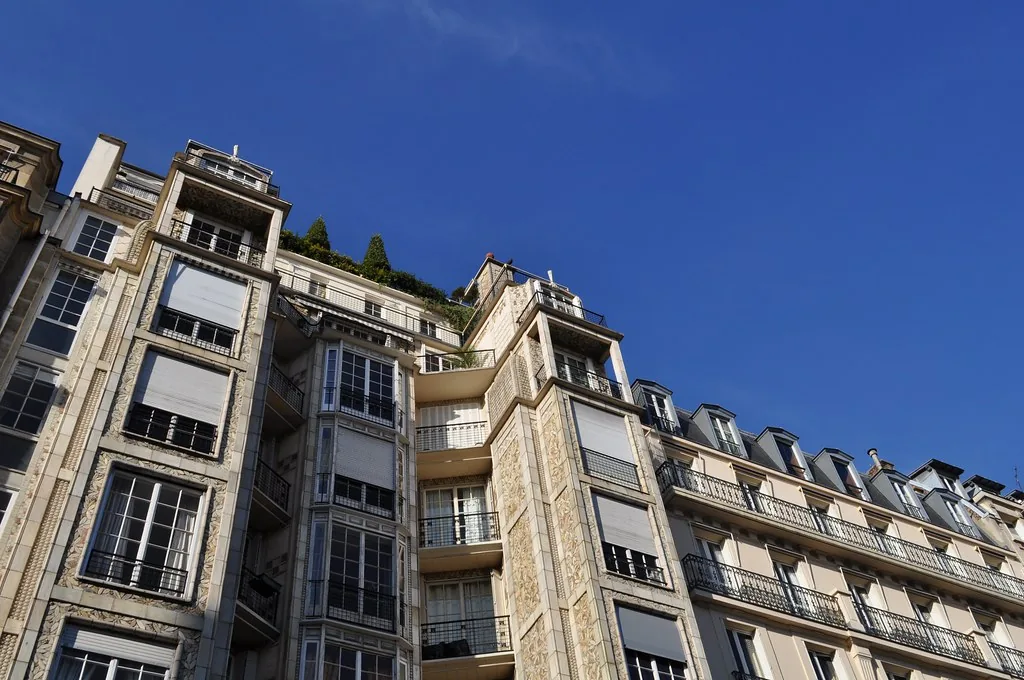
In the heart of the 16th arrondissement, an apartment tells an intimate and poignant story. Located at 36 Avenue Georges-Mandel, it was the diva’s refuge during her final years. The third floor of this building holds precious memories, bearing witness to a life marked by glory and solitude.
The apartment in the 16th arrondissement
This apartment, located in an exclusive Paris neighborhood, was a peaceful haven for the singer. Within these walls, she made her autobiographical audio recordings, sharing her deepest thoughts. These moments of seclusion marked a period of intense reflection, far from the spotlight.
The 16th arrondissement, known for its elegance, provided this icon with a discreet and refined setting. The apartment remains a powerful symbol of her legacy, blending art with intimacy.
Her funeral and the scattering of her ashes
On September 16, 1977, the diva died at the age of 53. Her funeral was held at the Greek Orthodox Cathedral of Saint Stephen on September 20, bringing together admirers and loved ones. A controversy erupted over her estate, estimated at 12 million dollars, adding a contentious dimension to her story.
After being stolen and then miraculously recovered, her ashes were eventually scattered over the Aegean Sea near Skorpios. This symbolic act recalls her attachment to Greece and closes a moving chapter of her life. To learn more, you can also read our article about her artistic legacy.
The relationships and mysteries surrounding her death
The diva’s life was marked by complicated relationships and enduring mysteries. Her affair with Aristotle Onassis, in particular, profoundly influenced her life, blending passion, drama and controversy.
The tumultuous relationship with Aristotle Onassis
Their love affair began in 1959 during the maiden cruise of the yacht Christina O. Their intense, highly publicized relationship included moments of happiness but also public humiliation. The rivalry with Jackie Kennedy, who married Onassis in 1968, heightened the tensions.
According to some sources, a forced abortion in 1972 plunged the diva into a deep depression. This period was marked by a growing dependence on sleeping pills, which were found on her bedside table after her death.
“Love can be a source of both light and shadow.”
Theories about her death
Her death in 1977 remains shrouded in mystery. A 2010 study suggested that dermatomyositis, an autoimmune disease, may have been the actual cause. Nevertheless, speculation about suicide persists, particularly because of her dependence on medication.
Pianist Vasso Devetzi played a key role in managing her estate, adding another dimension to this complex story.
| Item | Detail |
|---|---|
| Relationship with Onassis | 1959–1975 |
| Rivalry | Jackie Kennedy |
| Key event | Forced abortion (1972) |
| Cause of death | Dermatomyositis (2010 study) |
These tumultuous years left an indelible mark on her life, combining love, suffering and mystery.
Conclusion
The legacy of this opera icon continues to fascinate decades after her death. Her life, marked by triumphs and ordeals, remains a source of inspiration for classical music lovers. The diva revolutionized opera, leaving an indelible mark on modern stages.
Despite extensive research, mysteries still surround her biography. Recent exhibitions, such as the one organized by Gallimard in 2009, attest to the enduring relevance of her work. These events offer opportunities to rediscover her genius and uncover some of the secrets of her life.
The contrast between her international fame and her Parisian solitude adds a poignant dimension to her story. New technologies now make it possible to analyze her vocal legacy, revealing previously unheard nuances of her talent. To learn more, discover our article about Maria Callas.
Years after her death in September 1977, the diva continues to captivate the imagination. Her influence on modern opera and her unique journey remain subjects of study and admiration. The diva left a legacy that transcends time, reminding us of the timeless power of art.