
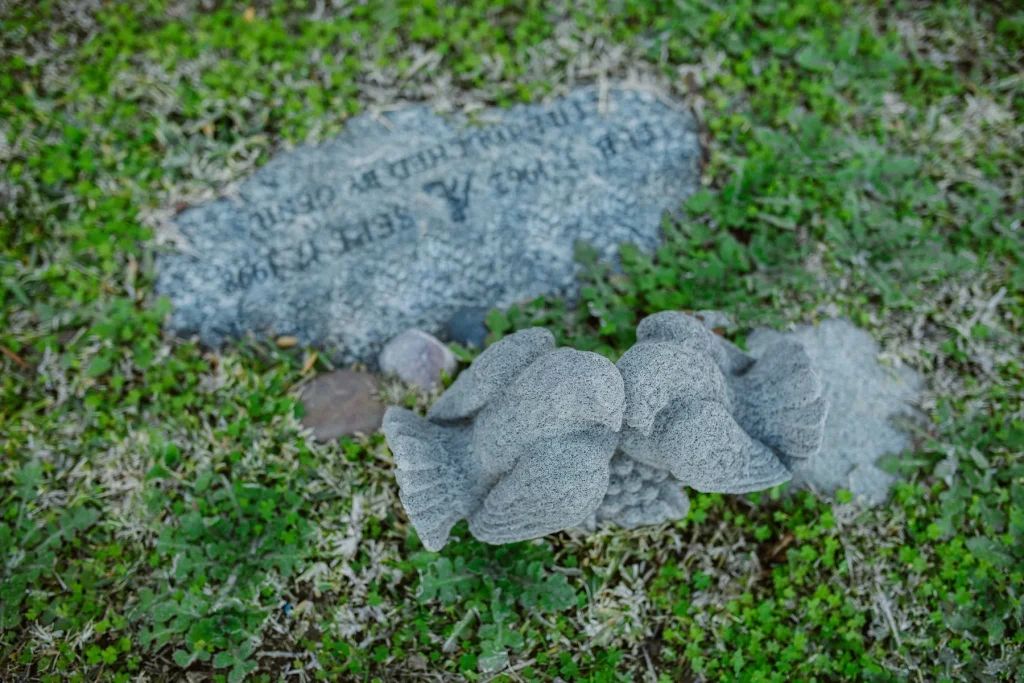
Maria Callas, the undisputed legend of opera, made music history with the 42 roles she performed on international stages and her exceptional three-octave vocal range. Her death in Paris on September 16, 1977, left an immense void in the artistic world.
Although her ashes were scattered in the Aegean Sea in 1980, a symbolic urn can be found at Père-Lachaise, in Division 87, niche no. 16258. This cemetery, famous for containing the graves of some of history’s most illustrious figures, has become a place of pilgrimage for the diva’s admirers.
This article explores that fascinating paradox and guides visitors wishing to discover this unique tribute to one of the greatest voices of the 20th century.
Maria Callas and her legacy
The legendary opera singer, often compared to a goddess of opera, redefined the art form in the 20th century. Her exceptional vocal talent and stage presence made her an essential icon. Leonard Bernstein even called her “the Bible of opera,” a description that perfectly captures her influence.
She worked with renowned artists such as Del Monaco, Di Stefano and Christoff, delivering memorable performances. With more than 45 operas to her name, she united singing and theatre in a revolutionary way. This innovation shaped the revival of opera after the Second World War.
One defining moment in her career was the scandal in Rome in 1965 during a performance of Norma. Despite the criticism, she continued to captivate audiences around the world. Her cultural impact was immense, at a time when some of her contemporaries sold more than 80 million records.
Her legacy extends beyond her performances. She inspired generations of artists and remains a mythical figure, even after her mysterious death. The table below summarises some of her most notable achievements:
| Collaborations | Operas performed | Cultural impact |
|---|---|---|
| Del Monaco, Di Stefano, Christoff | 45 | More than 80 million records sold |
| Leonard Bernstein | Norma, Tosca, La Traviata | Inspiration for future generations |
Maria Callas remains an iconic figure whose legacy continues to resonate throughout the world of opera. Her life and career bear witness to her genius and her passion for the art form.
The life and career of Maria Callas
Born in New York in December 1923, Maria Callas grew up in a family marked by tension. Despite these difficulties, she quickly found refuge in singing and displayed exceptional talent from an early age.
Her childhood in New York was marked by conflict between her parents, but it was there that she discovered her passion for music. At the age of 13, she left to study at the Athens Conservatoire, where she trained her voice for up to six hours a day.
The diva’s early career
During the Occupation, she gave more than 20 recitals in Greece and steadily gained recognition. Her true public breakthrough, however, came in 1947 at the Verona Arena. Under the direction of Tullio Serafin, she signed a lucrative contract and began to shine on international stages.
The heights of her career
The 1950s marked the peak of her career. At La Scala in Milan, she performed more than 30 major roles and became an opera icon. Her collaborations with artists such as Leonard Bernstein and Giuseppe Di Stefano left an indelible mark on music history.
Her final years and death
Her final performance took place at the Royal Opera House in July 1965. After quietly retiring, she died in 1977 under uncertain circumstances. The cause of her death remains a mystery, with theories ranging from a pulmonary embolism to an overdose.
Maria Callas: Where Is Her Grave in Père-Lachaise?
In the heart of the famous Parisian cemetery, an inconspicuous niche pays tribute to an opera legend. Located in Division 87, niche 16258 of the columbarium measures 30 × 30 cm, the standard dimensions for this iconic site.
Although empty, the niche bears a commemorative plaque installed by the Maria Callas International Club. It offers a lasting tribute to the diva, despite the scattering of her ashes in the Aegean Sea.
Its location is in a quiet, less-frequented section, offering visitors a peaceful atmosphere. This empty columbarium niche recalls other famous cenotaphs, such as Molière’s, where physical absence does not diminish the power of remembrance.
More than 200 admirers visit the site each day, demonstrating the timeless influence of this icon. Modest though it may be, it remains a meeting place for enthusiasts from around the world.
The history of Maria Callas’s memorial
The story of the diva’s final resting place is marked by unusual and moving events. After her death in September 1977, her body was cremated within 48 hours in accordance with her final wishes. An unexpected incident, however, disrupted the course of events.
The cremation and theft of the urn
On September 23, 1977, the urn containing her ashes was stolen. The thief, a 34-year-old Greek admirer, was arrested 72 hours later. The urn was recovered intact, but the episode added another dramatic chapter to the artist’s posthumous story.
The scattering of her ashes in the Aegean Sea
In 1980, her ashes were scattered in the Aegean Sea, near the island of Skorpios (38° 41′ N, 20° 44′ E). A secret maritime ceremony took place with only four people in attendance. This symbolic gesture allowed the diva to return to the waters of her native Greece.
The columbarium niche today
At Père-Lachaise, a columbarium niche (Division 87, niche 16258) honours her memory. Although empty, it is maintained quarterly by cemetery staff. The current cost of a niche is €930 for 15 years, a modest price for honouring a legend.
To discover other graves of famous women, a visit to Père-Lachaise is a must. Rich in history, the cemetery continues to attract thousands of visitors each year.
Père-Lachaise: a cemetery steeped in history
Père-Lachaise, steeped in history, attracts millions of visitors each year. Covering 44 hectares and containing more than 70,000 burial plots, it is far more than an ordinary cemetery. It is a true open-air museum where art, remembrance and nature come together.
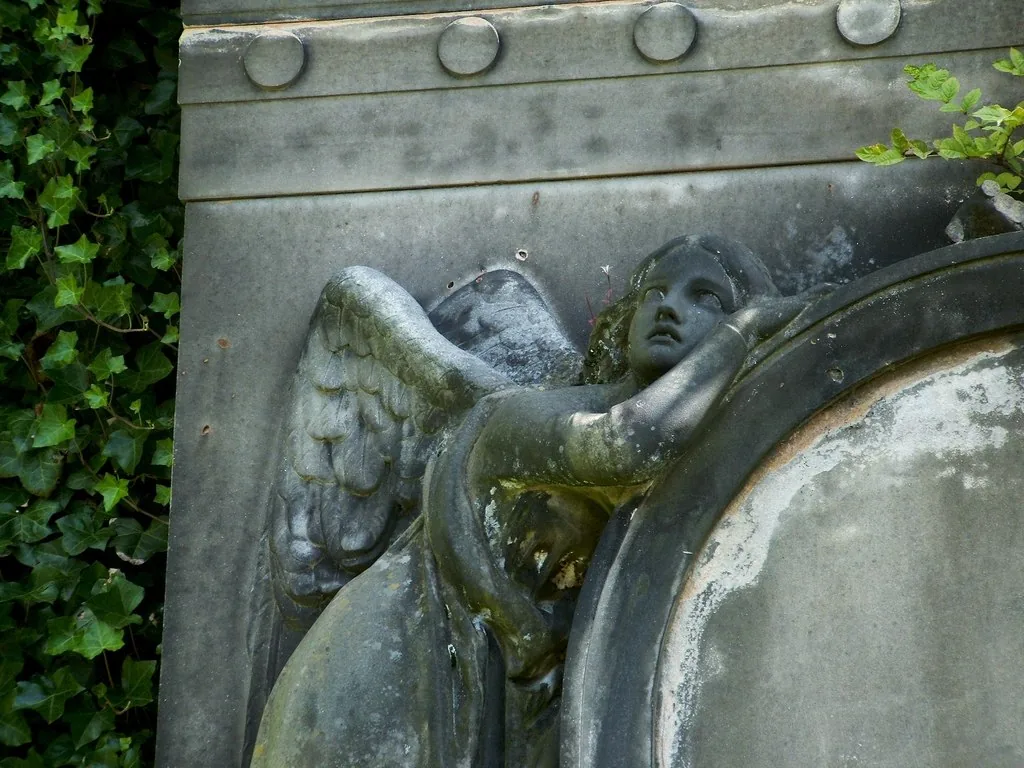
In 2023, it welcomed 3.5 million visitors, making it one of the most visited sites in Paris. Iconic figures such as Frédéric Chopin, Édith Piaf and Jim Morrison rest along its avenues. These personalities have contributed to the worldwide fame of this unique place.
The funerary architecture of Père-Lachaise is equally remarkable. No fewer than seven different styles can be found there, ranging from Gothic Revival to Art Deco. Each monument tells a story, reflecting the evolution of funerary practices over the centuries.
- A defining event: the Paris Commune of 1871, during which the cemetery became the scene of fierce fighting.
- An ecological initiative: more than 5,300 trees representing over 100 species make this a protected green space.
- An original marketing strategy: the transfer of the remains of Molière and La Fontaine in the 19th century increased its appeal.
Père-Lachaise is therefore much more than a place of eternal rest. It is a silent witness to history, a haven for ecological conservation and an architectural treasure. A visit is essential for anyone wishing to discover this exceptional heritage.
Visiting the Maria Callas memorial
Père-Lachaise Cemetery, a place steeped in history, attracts thousands of visitors each year who come to pay tribute to illustrious figures. An inconspicuous columbarium niche honours the memory of an opera icon. For those wishing to visit this emblematic site, here is some practical information.
Getting to Père-Lachaise
The cemetery is easily accessible by metro. Gambetta station, on Line 3, is the closest to niche 16258. Opening hours vary by season: from 8 a.m. to 6 p.m. in winter and until 8 p.m. in summer. An official downloadable app allows visitors to locate graves and plan their route.
Tips for a successful visit
To make the most of your visit, wear footwear suitable for the uneven cobbled paths. The average visit lasts two and a half hours if you cover all 15 kilometres of paths. If you want to make the best use of your time, a suggested route will take you from the Maria Callas niche to the graves of Édith Piaf and Jim Morrison in just 25 minutes.
In the evening, avoid poorly lit areas for safety reasons. These tips will help you enjoy a pleasant and memorable experience.
Other famous graves not to miss
Père-Lachaise is home to the graves of numerous famous people. Among the other graves worth discovering are those of Frédéric Chopin, Oscar Wilde and Marcel Proust. Each tells a unique story and contributes to the cultural richness of this exceptional place.
| Notable figure | Division | Significance |
|---|---|---|
| Frédéric Chopin | 11 | World-renowned composer |
| Oscar Wilde | 89 | Iconic writer |
| Marcel Proust | 85 | Author of “In Search of Lost Time” |
Whether you come for a whole day or just a few hours, Père-Lachaise offers an unforgettable experience. Plan your visit with these tips in mind and discover a place where history and art meet.
Maria Callas’s legacy in the world of opera
Maria Callas’s influence on modern opera remains unmatched and marks a turning point in the history of the art form. Through her 127 official recordings reissued in 2024, her voice continues to captivate enthusiasts around the world. Her 1964 recording of Carmen holds an impressive sales record, with 1.2 million copies sold.
Her legacy is not limited to her performances. She also left an educational mark through her 32 documented masterclasses at the Juilliard School. These sessions offered a fresh exploration of bel canto, a vocal technique she had mastered to perfection.
Among her innovations, her use of messa di voce revolutionised approaches to operatic singing. This technique, which involves modulating the power of the voice, inspired generations of performers and remains a benchmark in the art of singing.
“Maria Callas redefined what it means to be a diva. Her influence transcends the ages.” – Music critic, 2023
Her impact even extends beyond opera. More than 45 contemporary tracks incorporate samples of her recordings, demonstrating her influence on popular music. Recent exhibitions, such as the one at the V&A Museum in 2023 and another planned in Paris for 2024, celebrate her cultural legacy.
The table below summarises some of her major contributions:
| Contribution | Details |
|---|---|
| Recordings | 127 reissued in 2024 |
| Sales record | 1.2 million for Carmen (1964) |
| Masterclasses | 32 at the Juilliard School |
Maria Callas shaped the 20th century through her memorable roles and innovative vocal technique. Her legacy continues to inspire and fascinate, making her a timeless icon of opera.
Conclusion
The story of this opera icon illustrates a fascinating paradox between physical absence and symbolic presence. Although her ashes were scattered, her legacy continues to resonate around the world. More than 47 biographies published since her death testify to her timeless influence.
Updated advice is available for admirers wishing to pay tribute to her. A memorial planned for Athens in 2025 will strengthen this collective remembrance. An initiative to restore niche 16258 is also underway, and enthusiasts are invited to contribute.
This reflection on the legacy of opera artists underscores the importance of preserving the memory of their lives and work for future generations. Their influence transcends borders and leaves an indelible mark on cultural history.