

The history of classical music has been shaped by many Black and African American opera singers. They broke through racial barriers and established themselves on the world’s leading opera stages. Among them, Marian Anderson, Leontyne Price, Grace Bumbry, and Jessye Norman, among others, left a profound legacy.
Their fight for civil rights and the emancipation of the African American community form an important part of that legacy. Their journeys extend far beyond music and symbolize a victory over racism and oppression.
Faced with segregation and discrimination, these divas overcame numerous obstacles. They earned recognition on the international opera stage and paved the way for greater diversity and better representation in classical music.
Pioneers of Black Opera
Marian Anderson, a Leading Figure
Marian Anderson, born in Philadelphia in 1897, was a world-renowned African American contralto. Through her talent, she overcame the barriers of racial segregation. She sang on the world’s most prestigious stages under conductors such as Arturo Toscanini.
In 1939, her Lincoln Memorial concert became a symbol of the struggle against segregation. In 1955, she became the first African American to sing at the Metropolitan Opera, breaking a major racial barrier.
“Her unique timbre and majestic stage presence made her one of the greatest performers of her time.”
Marian Anderson also helped popularize Negro spirituals, bringing this sacred African American repertoire to a wider audience.
Barbara Hendricks, an Activist Diva
Barbara Hendricks, an African American soprano, is an opera star. She was born in Arkansas in 1948. She began her career in a segregated country before moving to Europe in 1977.
She achieved great success, particularly in works by Mozart. But Barbara Hendricks did not confine herself to singing. She was appointed a Goodwill Ambassador for the United Nations High Commissioner for Refugees.
In 1998, she established the Barbara Hendricks Foundation for Peace and Reconciliation. The foundation works to address conflict and promote reconciliation.
“As an artist, I believe we have a responsibility to use our voice to champion just causes and amplify the voices of those who cannot make themselves heard.”
She also holds Swedish and Swiss citizenship. Barbara Hendricks combines her career as an African American soprano with her humanitarian work, striving for a fairer and more peaceful world.
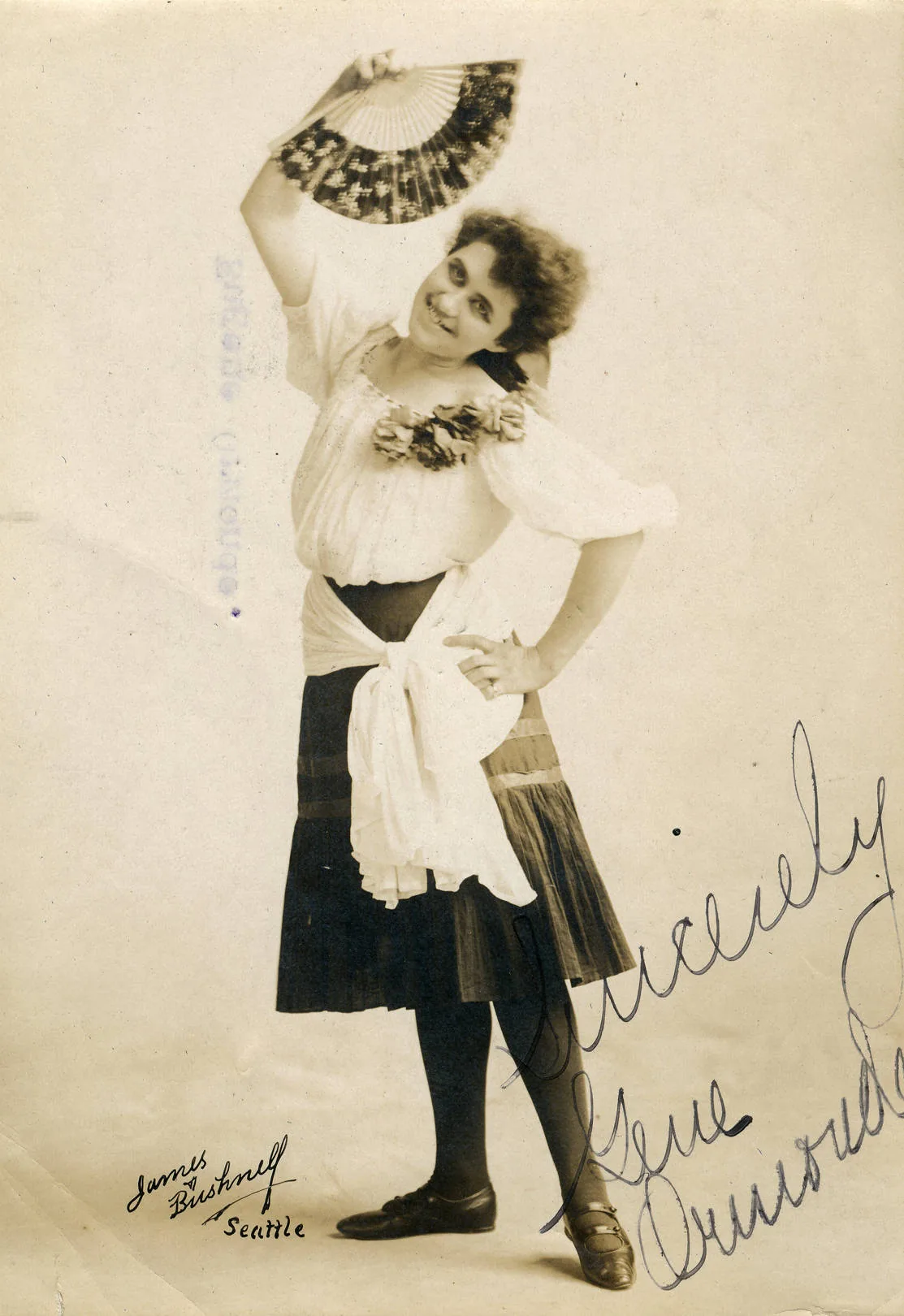
Who Are the Most Notable Black and African American Opera Singers?
The legendary Barbara Hendricks is not the only artist to have shone on the opera stage. Other Black and African American opera singers have also distinguished themselves. They include Leontyne Price, Grace Bumbry, Jessye Norman, Shirley Verrett, and Christiane Eda-Pierre.
These artists transformed opera by highlighting its diversity. They opened doors for new African American talent. Their voices and charisma shaped opera history, demonstrating the essential place of Black sopranos and African American mezzo-sopranos.
“Leontyne Price, Grace Bumbry, Jessye Norman, Shirley Verrett, and Christiane Eda-Pierre paved the way for a new generation of African American talent.”
Diversity and Representation in Opera
The opera world has moved toward greater diversity. Racial diversity in opera and African American representation in opera now receive greater attention. Artists such as Marian Anderson played a key role in this evolution. They fought racism and helped make classical music more inclusive.
Changing Attitudes
Progress has been slow, but modern opera is striving to reflect the diversity of its talent. Positive changes, such as abandoning “blackface” and “yellowface,” demonstrate growing awareness. This evolution also concerns companies such as New York City Ballet and London’s Royal Ballet.
The Paris Opera’s subsidies, which exceed €93.9 million, reflect the importance accorded to diversity. Challenges nevertheless remain, including the low number of non-white dancers. Artists are calling for greater inclusion in classical music.
“The Harlem Renaissance was an African American cultural movement that extended from 1918 to the mid-1930s and was centered primarily in New York.”
Negro Spirituals: From Songs of Enslaved People to the Operatic Repertoire
Negro spirituals are traditional songs of the African American community. They played a key role in the careers of Black opera singers. Marian Anderson helped popularize them in Europe, following Roland Hayes and Paul Robeson.
These songs of enslaved people acquired an operatic dimension and became an essential part of the classical repertoire. They also influenced gospel music.
The publication of “Slave Songs of the United States” in 1867 was a pioneering achievement. The collection contains transcriptions of 136 Negro spirituals, accompanied by notes from three American musicologists. The songs were collected mainly in Port Royal and on St. Helena Island.
Transcribing them was difficult because of the complexity of the melodies and linguistic barriers. Nevertheless, the work represented an important advance in ethnomusicology and improved our understanding of African American music.
| Artist | Contributions |
|---|---|
| Marian Anderson | Popularized and shared the repertoire of Negro spirituals in Europe |
| Roland Hayes | Helped introduce songs of enslaved people to wider audiences before Marian Anderson |
| Paul Robeson | An early African American star who performed Negro spirituals in films such as “King Solomon’s Mines” and “Songs of Freedom” during the 1930s |
The legacy of Negro spirituals crossed national borders. They became an essential part of the operatic repertoire and influenced gospel music.
Powerful Voices for Emancipation
Black and African American opera singers changed both music and society. They fought for civil rights and the emancipation of their community. Their success became a source of inspiration and pride, contributing to better representation of the African American community.
An Impact Beyond Music
These singers transformed society and became inspiring role models. Their activism helped change attitudes. They brought greater recognition to the value of the Black community in society.
“Their journeys and achievements on the world’s leading opera stages became sources of inspiration and pride, contributing to better representation of the African American community.”
Names such as Marian Anderson and Barbara Hendricks made history. Their voices resonated far beyond concert halls. They became symbols of African American emancipation.
Conclusion
Black and African American opera singers have left a profound mark on classical music. Despite racism and segregation, artists such as Marian Anderson and Barbara Hendricks broke through barriers. They inspired many generations.
Their journeys extend beyond music. They fought for civil rights and improved representation of the African American community.
Progress has been slow, but modern opera reflects greater diversity and is paving the way toward a more inclusive future. These singers contributed to vital recognition and greater diversity throughout the opera world.
Their legacy continues to inspire. It encourages future singers to fight for better representation as they continue pushing the boundaries of this traditional musical genre.
FAQ
Who are the most influential Black and African American opera singers?
What was the career of Marian Anderson, one of the pioneering Black opera singers?
What did Barbara Hendricks, another major Black and African American opera figure, accomplish?
Which other Black and African American opera singers distinguished themselves on the opera stage?
How has opera evolved in terms of representation and diversity?
What impact did Negro spirituals have on Black and African American opera singers?
Beyond their musical achievements, what social and political impact did Black and African American opera singers have?
Sources
- https://www.loc.gov/pictures/item/2016716517/
- https://time.com/5520555/laverne-cox-black-excellence/
- https://www.operaamerica.org/magazine/winter-2026/america-250-how-immigrants-brought-opera-to-american-shores/
- https://www.theguardian.com/music/2023/may/08/grace-bumbry-obituary
- https://naacp.org/find-resources/history-explained
- https://www.classicfm.com/discover-music/periods-genres/opera/greatest-black-opera-singers/
- https://www.si-on-sortait.fr/documents/Dossier de presse des Internationales de la Guitare.pdf
- https://poets.org/poet/maya-angelou
- https://www.philadelphiamusicalliance.org/walk-of-fame/marian-anderson/
- https://www.classicfm.com/discover-music/periods-genres/opera/greatest-black-opera-singers/
- https://www.nypl.org/blog/2021/02/05/harlem-renaissance
- https://www.operabase.com/halina-fulara-duda-a21136/en
- https://www.operaamerica.org/industry-resources/2019/201901/definitions-equity-diversity-and-inclusion/
- https://www.loc.gov/item/11026595/
- https://spartacus-educational.com/USArobeson.htm
- https://www.smithsonianmag.com/history/the-founder-of-this-trailblazing-opera-company-put-black-singers-at-center-stage-180983828/
- https://www.cambridge.org/core/journals/traditions-of-music-and-dance
- https://billieholiday.com/
- https://nmaahc.si.edu/josephine-baker