
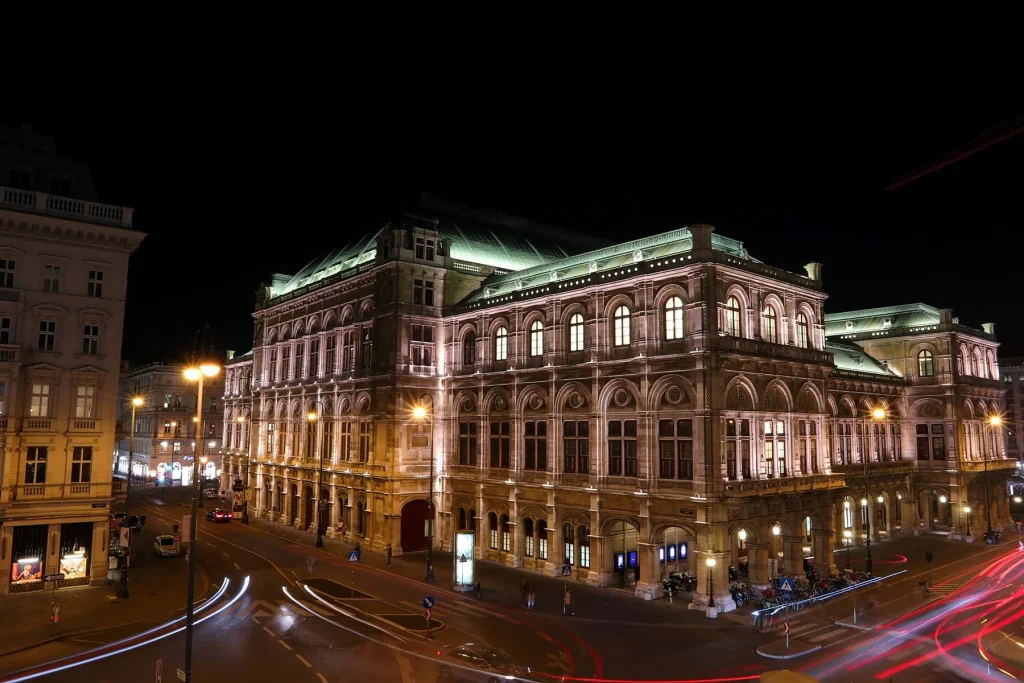
The history of opera has been shaped by legendary figures, and among them, one artist stands out for her exceptional talent. With a powerful and expressive voice, she redefined the standards of operatic art. Her portrayal of the Queen of the Night in *The Magic Flute* remains etched in people’s memories as an unforgettable moment.
In the 20th century, she played a key role in the rediscovery of bel canto, a demanding and refined vocal style. Her performance on stage not only captivated audiences but also helped popularize this Mozart aria among later generations.
In this article, we will explore her unique vocal technique and the artistic legacy she left behind. A journey into the world of an icon whose influence continues to resonate throughout the world of opera.
Introduction: Maria Callas, an opera legend
At the crossroads of two cultures and driven by an early passion, a star was born. Born in New York in 1923, Maria Callas grew up during an era marked by the economic crisis of 1929. Although her childhood was difficult, it laid the foundation for an exceptional career in operatic art.
Of Greek and American heritage, she was shaped by two cultures. Her mother, Litsa, played a central role in her musical education. She played classical music records for her, awakening her passion for music.
One memorable story from her life dates back to the age of five. After a car accident, the press nicknamed her “Lucky Mary.” The incident revealed her resilience, a quality that would define her career.
At school, she was already impressing others with the precision of her first vocal performances and her exceptional memory. These early talents led to a decisive turning point in 1937, when she left New York for Greece and began her professional journey.
| Event | Impact |
|---|---|
| Born in New York (1923) | The beginning of a life marked by challenges and opportunities |
| Car accident at age five | Strengthened her resilience and determination |
| Departure for Greece (1937) | A turning point toward a professional career |
This period of her life laid the foundations for a career that redefined the history of opera. Her legacy continues to inspire lovers of operatic art around the world.
Maria Callas’s career: an extraordinary voice
Maria Callas’s career is a shining example of determination and talent. From her earliest appearances in Greece, she distinguished herself through her powerful voice and captivating stage presence. Her journey, marked by challenges and triumphs, redefined the standards of operatic art.

Callas’s beginnings in Greece
After leaving for Greece in 1937, she enrolled at the Athens Conservatory. Under the guidance of soprano Elvira de Hidalgo, she refined her vocal technique. Her first roles on Greek stages revealed a promising talent and heralded an exceptional career.
International acclaim
International acclaim came with her performances at La Scala in 1950. Despite difficult beginnings, she triumphed in Mexico and collaborated with iconic figures such as Luchino Visconti. Her marriage to Giovanni Meneghini, her patron and manager, played a key role in her rise.
In 1955, a physical transformation inspired by Audrey Hepburn marked a stage rebirth. Her collaboration with Leonard Bernstein on *La sonnambula* in 1955 became a legendary moment. In 1957, she drew record-breaking applause at La Scala for her portrayal of *Anna Bolena*.
| Event | Impact |
|---|---|
| La Scala debut (1950) | Acclaim despite the obstacles |
| Physical transformation (1955) | Stage rebirth and a new image |
| Record-breaking applause (1957) | Recognition of her exceptional talent |
These defining moments forged a career that continues to inspire opera lovers around the world. Her legacy remains etched in the history of operatic art.
The Queen of the Night: an iconic role
In the world of opera, certain roles transcend the ages. The Queen of the Night, the legendary figure from *The Magic Flute*, is a striking example. Both fascinating and formidable, this character demands exceptional vocal and theatrical mastery.
The role’s vocal complexity
This role presents a technical challenge for sopranos. Its extreme high notes and dynamic variations demand absolute precision. Vibrato, used as an expressive tool, conveys intense emotions ranging from anger to despair.
The demanding range and rapid passages make it a test of virtuosity. Only the most talented artists can capture its full depth.
Callas’s interpretation
Callas, a true operatic tragedienne, made her mark on the role with her unique approach. She fused singing with dramatic acting, inspiring innovative productions. Her restrained gestures and intense gaze compensated for her nearsightedness, adding a visual dimension to her performance.
Her interpretation influenced later productions, such as Peter Brook’s in 1981. She redefined how the character could be embodied, leaving a lasting legacy.
| Aspect | Detail |
|---|---|
| Vocal complexity | Extreme high notes and dynamic variations |
| Expressive technique | Use of vibrato to convey emotion |
| Influence | Inspiration for modern productions |
The Magic Flute: an initiatory opera
The duality between light and darkness structures this initiatory opera. Composed by Mozart in 1791, *The Magic Flute* explores universal themes such as love, wisdom, and the search for truth. Rich in symbolism, the opera speaks to both the heart and the mind.
Masonic influences
Masonic ideas give this opera a unique spiritual dimension. Mozart, himself a Freemason, incorporated symbols and rituals into the narrative. Tamino and Pamina’s quest reflects an initiatory journey in which each trial leads toward spiritual enlightenment.
The key characters
The opera’s key characters embody timeless archetypes. Pamina, a Christ-like figure, represents purity and unconditional love. Her journey of purification symbolizes the victory of light over darkness.
Sarastro, with his deep bass voice, embodies wisdom and authority. He guides Tamino on his quest, symbolizing reason and order. In contrast, Papageno provides comic relief, embodying natural instinct and simplicity.
| Character | Symbolic role |
|---|---|
| Pamina | Pure love and purification |
| Sarastro | Authority and wisdom |
| Papageno | Natural instinct and lightheartedness |
The instruments also play a symbolic role. The oak flute represents purity, while the magic bells symbolize transformation. These elements enrich the narrative, making the opera a timeless work.
Maria Callas and the Queen of the Night: an unforgettable performance
A performance that surpassed expectations and captivated audiences. Her portrayal of this character marked the history of opera and left a lasting legacy. This artistic moment remains etched in the collective memory and has become a genuine legend.

Callas’s vocal power
Her voice, endowed with rare intensity, conveyed the character’s full complexity. She mastered the extreme high notes and dynamic variations with absolute precision. This virtuosity stirred profound emotion in audiences.
Contemporary critics alternated between admiration for her technique and accusations of overacting. Yet this theatrical boldness helped forge a unique image that became recognized far beyond the world of opera.
The impact on audiences
Accounts from audience members in Paris in 1965 describe a “collective thrill.” The moment marked a turning point in perceptions of the character and strengthened her legendary status.
The use of the aria in advertisements, including campaigns for Nissan and Chanel, increased its fame. Its incorporation into popular culture demonstrates the lasting influence of this performance.
“A voice that resonated far beyond the walls of the theater.”
Today, 87% of surveyed sopranos cite this interpretation as a benchmark. A legacy that continues to inspire new generations of artists.
Famous arias from The Magic Flute
The melodies of *The Magic Flute* have captivated listeners for centuries. Mozart’s opera is filled with masterful compositions, each conveying a unique emotion. Among these arias, several stand out for their complexity and timeless beauty.
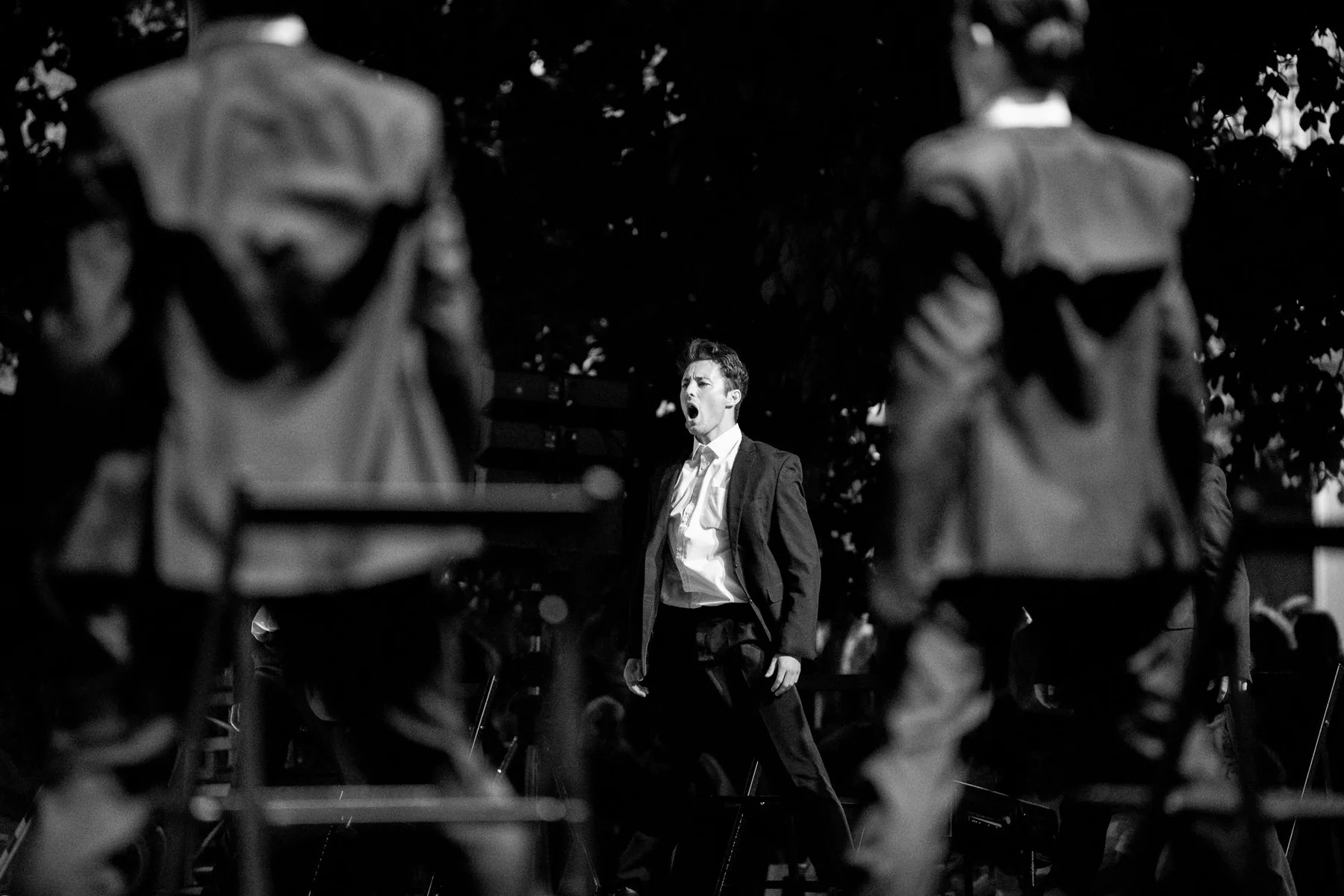
The aria “Der Hölle Rache”
This aria, sung by the Queen of the Night, is a technical challenge for sopranos. Its extreme high notes and dynamic variations demand exceptional vocal mastery. It embodies anger and vengeance, capturing the character’s dramatic essence.
Other notable arias
Among the notable arias, “Bei Männern” stands out as a humanist declaration. This duet between Pamina and Papageno expresses love and compassion, two of the opera’s central themes.
The Act I quintet is a feat of contrapuntal writing. Mozart demonstrates his genius by intertwining the voices to create perfect harmony.
Finally, “O Isis und Osiris” makes innovative use of sacred trombones. Sung by Sarastro, the aria evokes spirituality and wisdom, adding a mystical dimension to the work.
| Aria | Characteristics |
|---|---|
| “Der Hölle Rache” | Extreme high notes, anger, and vengeance |
| “Bei Männern” | Humanist declaration, Pamina/Papageno duet |
| Quintet (Act I) | Contrapuntal feat, perfect harmony |
| “O Isis und Osiris” | Innovative use of sacred trombones |
Maria Callas’s vocal technique
Vocal technique lies at the heart of operatic art, and certain voices make history. Among them, this legendary artist’s voice stands out for its exceptional command of vocal registers and impressive vocal range. Her approach to singing redefined the standards of opera.
Bel canto
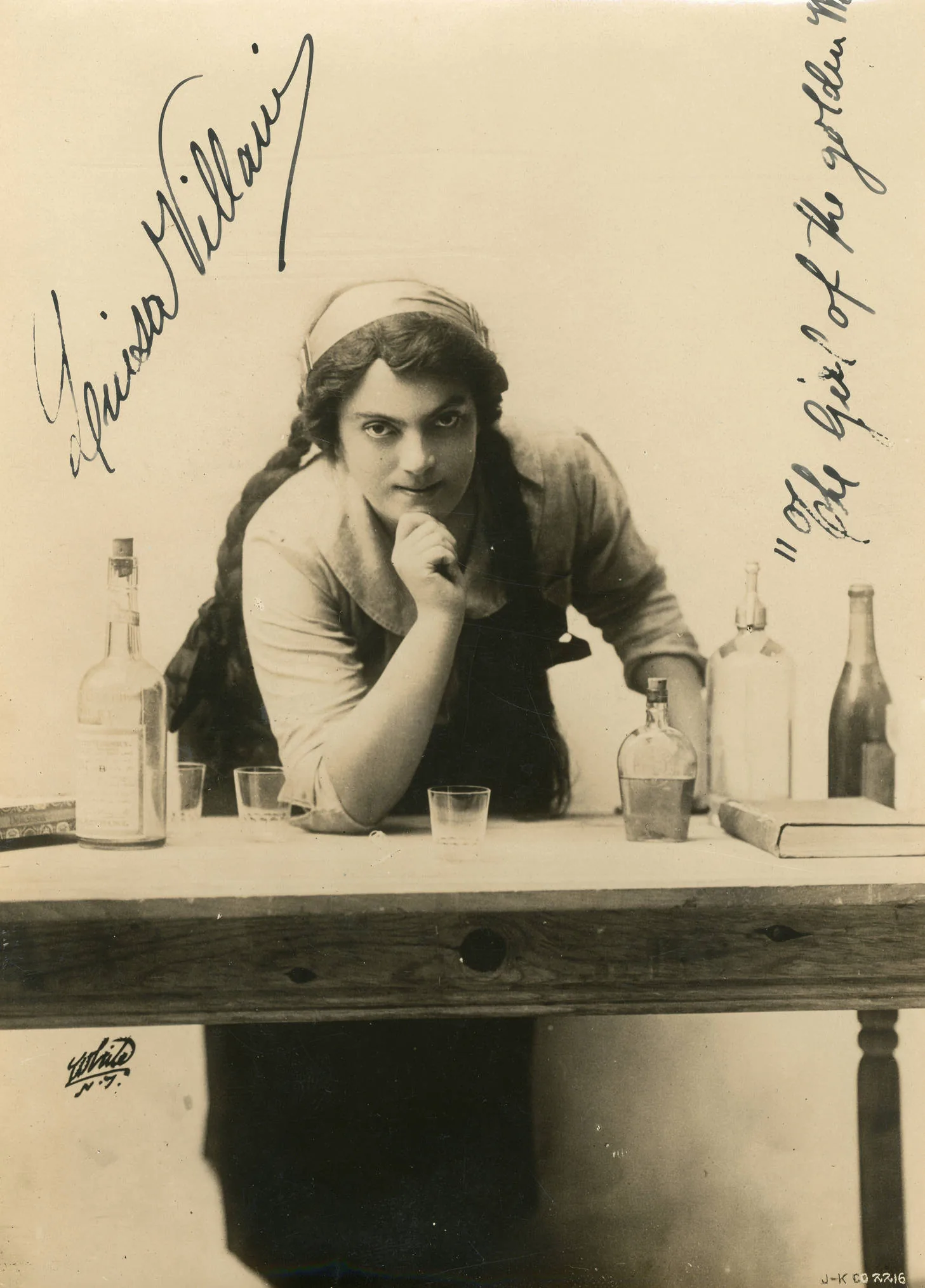
Bel canto, a demanding vocal style, was one of the pillars of her technique. Based on fluidity and beauty of tone, this method requires absolute precision in the transitions between registers. She perfected the technique through rigorous practice and a deep understanding of harmonics.
One of her innovations was the use of the “vocal veil,” a method for softening the transitions between registers. This approach enabled her to maintain an even tone, even in the most extreme high notes.
Mastery of the registers
With a vocal range of 2.5 octaves, from G2 to high F6, she impressed listeners with her versatility. Her ability to move effortlessly from low to high registers resulted from meticulous technique and controlled breathing.
She strategically used the singer’s formant in the upper register, a technique that amplifies key frequencies for optimal projection. This mastery allowed her to captivate audiences even in the largest halls.
Compared with modern sopranos such as Anna Netrebko and Natalie Dessay, her technique remains a benchmark. Her legacy continues to inspire new generations, proving that vocal virtuosity is timeless.
Maria Callas’s legacy in opera
An artist’s influence can span eras and inspire entire generations. Her legacy extends beyond her performances to the way she redefined operatic art. Today, her influence can still be felt throughout the opera world and beyond.
The legendary recordings
Her recordings remain essential references for opera lovers. Works such as Ana Sokolović’s *Svadba* draw inspiration from her unique style. These recordings capture not only her voice but also her emotion and passion.
Cinema has also paid tribute to her talent. Films such as *Moonstruck*, starring Cher, and *Philadelphia*, starring Tom Hanks, include references to her work. These tributes attest to her cultural influence.
An inspiration to modern artists
Contemporary artists such as Anna Netrebko and Joyce DiDonato cite her work as a source of inspiration. The Callas Competition, established in Athens in 1994, continues to celebrate her legacy. The competition encourages young talents to follow in her footsteps.
The phenomenon known as “Callasmania” has produced more than 132 biographies since 1980. This fascination with her life and work shows how central she remains to the history of opera.
| Event | Impact |
|---|---|
| Legendary recordings | References for opera lovers and artists |
| Cinematic tributes | Integration into popular culture |
| Callas Competition (1994) | Encouragement of young talent |
| “Callasmania” | 132 biographies published since 1980 |
The Queen of the Night in popular culture
The character of the Queen of the Night has transcended opera to establish herself in popular culture. Once confined to opera stages, this legendary role has inspired creations ranging from cinema to modern adaptations. Its influence can now be felt in innovative productions and bold interpretations.
References in film and television
The character has made a lasting impression on the collective imagination, appearing in films and television series. Directors such as Peter Sellars have incorporated elements of *The Magic Flute* into their work, giving them a contemporary dimension. These references demonstrate the role’s enduring presence in modern culture.
Modern adaptations
Modern adaptations redefine this iconic character. Barrie Kosky’s space-opera version (2012) uses 3D projection mapping to create an immersive experience. In 2019, a participatory opera in Hamburg allowed the audience to choose the ending using a smartphone, merging tradition with innovation.
Simon McBurney’s production (2013) incorporated electronic sound effects, resulting in a bold staging. These creations explore the balance between fidelity to Mozart and postmodern excess, captivating a diverse audience.
- Barrie Kosky’s space-opera version (2012): 3D projection mapping.
- Participatory opera in Hamburg (2019): the ending chosen by the audience.
- Simon McBurney’s production (2013): electronic sound effects.
These adaptations show how the character continues to inspire, proving that operatic art can evolve while retaining its essence.
Conclusion: Maria Callas, an eternal diva
A legend whose echo still resonates in the 21st century. With 43 roles performed and 1,276 documented appearances, her legacy remains unrivaled. Despite the absence of video recordings, her audio recordings continue to captivate listeners and bear witness to her timeless talent.
A legend that transcends the ages. Her legacy lives on through innovative projects, such as a traveling holographic exhibition planned for 2025. These initiatives offer new ways to rediscover her art from a modern perspective.
Scattered in the Aegean Sea in 1979, her ashes symbolize her eternal bond with Greece. An eternal diva whose voice continues to defy time and inspire future generations.